All Quiet On The Western Front Facts For Kids
All Quiet on the Western Front is a poignant exploration of the horrors of World War I as seen through the eyes of a young German soldier, highlighting the devastating effects of war on both the body and the mind.
Select reading age
All Quiet On The Western Front Facts For Kids
Videos & Quizzesincluded
About this topic
"All Quiet on the Western Front" is a famous book written by Erich Maria Remarque in 1928. 📚It tells the story of soldiers during World War I, a big war that happened from 1914 to 1918. The book shows how war affects young soldiers, especially their feelings and friendships. It has been translated into many languages and remains important in literature, teaching readers about the harsh realities of war. 🌍The story follows Paul Bäumer, a young soldier from Germany, as he experiences the struggles of fighting and surviving in a war-torn world.
Explore with ChatDinoKey Points
“All Quiet on the Western Front” has been adapted into various forms of media, including films and plays.
"All Quiet on the Western Front" teaches us many important lessons.
The main character in "All Quiet on the Western Front" is Paul Bäumer.
When "All Quiet on the Western Front" was published, many people praised it for its honesty and powerful message about war.
World War I was fought mainly in Europe, and it was one of the largest conflicts in history.
Some major themes in the book are the horrors of war and the loss of innocence.
Erich Maria Remarque uses many literary techniques to tell the story.
This book has had a significant impact on literature and how war stories are told.
Photos of All Quiet On The Western Front

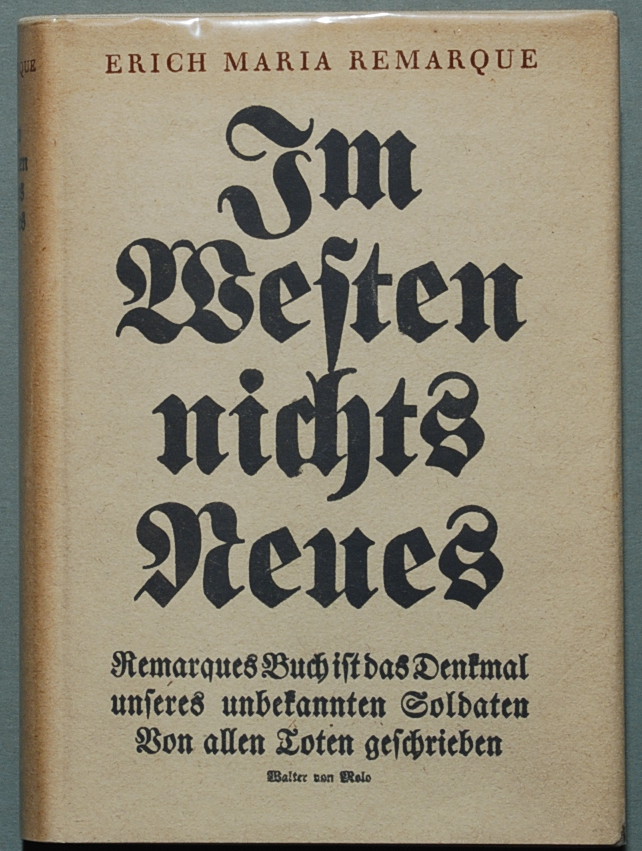
Cover of the first English-language edition. The design is based upon a German war bonds poster by Fritz Erler.

Dutch translation, 1929
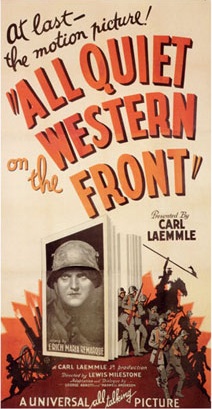
Poster for the movie All Quiet on the Western Front (1930), featuring star Lew Ayres
🎥 Adaptations
“All Quiet on the Western Front” has been adapted into various forms of media, including films and plays. 🎥The first movie adaptation came out in 1930 and won two Academy Awards! The most recent adaptation was released on Netflix in 2022. This version features modern filmmaking techniques and brought the story to new audiences. 🎬Adaptations help introduce the powerful message of the book to people who may not read it. They also give a visual experience of the emotions and struggles faced by soldiers, making it relatable and engaging.
Go deeper❤️ Lessons Learned
"All Quiet on the Western Front" teaches us many important lessons. One major lesson is understanding the effects of war on individuals, showing that it can lead to deep emotional struggles. ❤️ It reminds us to appreciate peace and the value of human connections. The story encourages empathy, helping us understand how the experiences of soldiers shaped their lives. 🌈Lastly, it emphasizes the need to learn from the past to create a better future. By reading and discussing this book, we continue to recognize the importance of compassion and understanding in our world today. 🌍
Go deeper🪖 Main Characters
The main character in "All Quiet on the Western Front" is Paul Bäumer. He is a 19-year-old German soldier who joins the army with his friends. 🪖Paul is brave but becomes deeply affected by the war. Other important characters include Katczinsky, Paul’s wise and resourceful friend, and Albert Kropp, who is known for asking tough questions. 💭Each character faces war’s hardships in different ways, showing how it impacts friendship, courage, and survival. Their stories help readers understand the challenges soldiers faced during World War I and the strong bonds formed in tough situations. 🤝
Go deeper🌟 Critical Reception
When "All Quiet on the Western Front" was published, many people praised it for its honesty and powerful message about war. 🌟Critics lauded how it expressed the feelings of soldiers and challenged the view of war as glorious. However, some countries attempted to ban the book because they felt it portrayed their military poorly. 📚Over the years, it has won several awards and remains a key piece of literature. Readers of all ages appreciate its thought-provoking themes, and it is often studied in schools to learn about history and emotions related to war.
Go deeper🌍 Historical Context
World War I was fought mainly in Europe, and it was one of the largest conflicts in history. 🌍Countries like Germany, France, the United Kingdom, and Austria-Hungary were involved. Millions of soldiers fought, and many were very young, like Paul in the book. The war introduced new technologies like tanks and airplanes, which changed how battles were fought. ✈️ The book was written after the war, during a time when people were trying to understand the pain and loss caused by the fighting. Many writers and artists wanted to share their experiences to help others learn from history. 🕊️
Go deeper🌧️ Themes And Symbols
Some major themes in the book are the horrors of war and the loss of innocence. 🌧️ When young men like Paul go to battle, they realize war is not like the glory they imagined. One important symbol is the "boots" that the soldiers wear. 👢They often represent the journey of the soldiers and the harsh conditions they face. As the war goes on, the boots become worn out, symbolizing how the soldiers change physically and emotionally. Friendship also emerges as a key theme, showing how bonds can keep people strong even in the toughest situations. ❤️
Go deeper🌧️ Literary Techniques
Erich Maria Remarque uses many literary techniques to tell the story. One is imagery, which helps readers picture the muddy trenches and the sounds of battle. 🌧️ He uses first-person narration, so we see the world from Paul’s perspective. This makes the reader feel the emotions Paul experiences, like fear and sadness. 🥺Remarque also uses dialogues to show characters’ relationships and how they support one another. Another technique is symbolism, like the boots representing loss, showing deeper meanings behind simple objects. These features make the story impactful and memorable!
Go deeper✍️ Impact On Literature
This book has had a significant impact on literature and how war stories are told. ✍️ It was one of the first books to show the real experiences of soldiers in World War I, moving away from the traditional heroic tales. Many writers after Remarque were inspired to tell honest stories about war, such as "The Things They Carried" by Tim O’Brien. 📖The way "All Quiet on the Western Front" addresses feelings and friendships changed the way readers view conflict in literature. It remains a crucial part of school curriculums and discussions about war, empathy, and history.
Go deeper