Alismataceae Facts For Kids
The Alismataceae family, known as water-plantains, comprises about 20 genera and 119 species of flowering plants mostly found in wetlands and aquatic environments.
Select reading age
Alismataceae Facts For Kids
Videos & Quizzesincluded
About this topic
Alismataceae, also known as water-plantains, are a family of flowering plants 🌸. They have around 20 different genera and 119 species! These plants typically grow in wet areas like ponds, marshes, and along riverbanks 🌊. They have attractive leaves that can float on the water's surface. Water-plantains are found in many parts of the world, including North America, Europe, and Asia 🌍. Some people enjoy their beautiful flowers, while animals use them for shelter! Learning about these special plants helps us understand the natural world better.
Explore with ChatDinoKey Points
The Alismataceae family belongs to the order Alismatales.
Water-plantains have unique shapes!
Water-plantains live in many places around the world 🌎!
Some popular species of water-plantains include Alisma plantago-aquatica (European water-plantain) and Sagittaria latifolia (broadleaf arrowhead).
Many water-plantain species are doing well, but some are threatened or endangered!
Farmers and gardeners can benefit from water-plantains!
Water-plantains have exciting ways of reproducing!
Water-plantains play an important role in their ecosystems!
Water-plantains can contribute to local economies!
Photos of Alismataceae

Plant family Alismataceae distribution map

🌱 Taxonomy
The Alismataceae family belongs to the order Alismatales. This family includes many cool plant groups, but all of them love water! 🌱The name "Alismataceae" comes from one of its genera called Alisma. The plants in this category share similar features like leaf shapes and flowering patterns. Some common genera are Sagittaria and Echinodorus. 🌼Alismataceae plants can vary in size, with some being small and others growing quite large! Scientists study their similarities and differences to understand evolution better. Each genus has its special features and helps us learn how diverse plants can be!
Go deeper🌾 Morphology
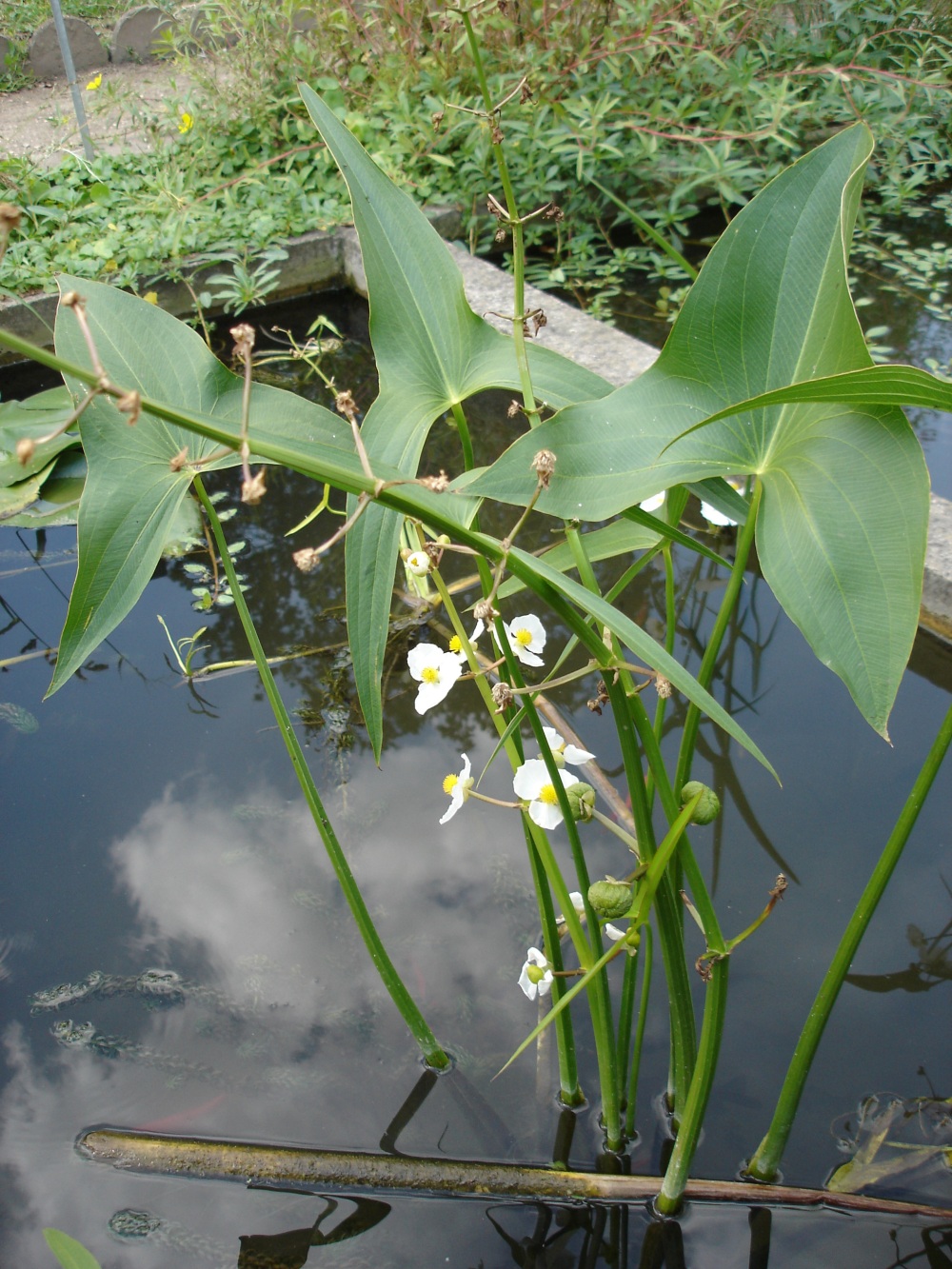
Water-plantains have unique shapes! 🌾Their leaves are often flat and wide, allowing them to float on the water's surface. Some leaves are shaped like arrows, while others might be wider and more oval. The flowers of Alismataceae plants are usually white or yellow and grow on tall stems 🌼. These flowers can attract insects like bees and butterflies, which help with pollination. Each flower has many small parts, including petals and stamens, that make it beautiful. Some species can grow very tall, reaching heights of over 3 feet! 🌟
Go deeper🌎 Distribution
Water-plantains live in many places around the world 🌎! You can find them in wetlands, lakes, and rivers across North America, Europe, and parts of Asia. In the United States, they are common in states like Florida and Louisiana, where there are lots of swamps and ponds. 🌿They thrive in places with shallow water, which helps them grow well. Some species prefer sunny spots, while others can be found in shaded areas. This adaptability allows them to survive in different habitats while providing homes for many creatures! 🦆
Go deeper🌼 Notable Species
Some popular species of water-plantains include Alisma plantago-aquatica (European water-plantain) and Sagittaria latifolia (broadleaf arrowhead). 🌼Alisma plantago-aquatica features bright white flowers and broad leaves that float on the water 🌊. On the other hand, Sagittaria latifolia has arrow-shaped leaves that grow tall and can reach above the water! Many of these species attract bees and butterflies, making them essential for pollination. Both types can grow in wetlands and provide food for various animals, showcasing the beauty and importance of water-plantains! 🦋
Go deeper🚨 Conservation Status
Many water-plantain species are doing well, but some are threatened or endangered! 🚨Pollution, habitat loss, and climate change can negatively impact these plants. Protecting wetlands and other habitats is essential for their survival. Organizations and scientists work together to monitor these plants and create conservation plans 🌱. By restoring habitats, we can help maintain healthy ecosystems and ensure that future generations can enjoy the benefits of water-plantains. Every little effort counts in preserving these beautiful plants! 🌿
Go deeper🌱 Uses In Agriculture
Farmers and gardeners can benefit from water-plantains! 🌱They are sometimes used as decorative plants in ponds, making landscapes more beautiful. Some water-plantain species can also help control pests by attracting beneficial insects. 🌼In rice paddies, they can improve soil health by providing shade and preventing weeds from taking over. Additionally, water-plantains are sometimes used in traditional medicine for their healing properties. Some people make herbal teas from the leaves! This shows how nature can help us in so many ways! 🌿
Go deeper🌱 Reproductive Biology
Water-plantains have exciting ways of reproducing! 🌱They produce flowers that contain both male and female parts. The male parts create pollen, which fertilizes the female parts to form seeds. These seeds can float away on the water, finding new places to grow. 💧Some plants also reproduce asexually, which means they can make new plants without seeds! For example, they can create new shoots from their roots, helping them spread across ponds and marshes. This way, water-plantains make sure there are plenty of them around for everyone to enjoy! 🌸
Go deeper🌍 Ecological Importance
Water-plantains play an important role in their ecosystems! 🌍They provide food and shelter for many animals, including frogs, fish, and birds. The thick leaves create shade and reduce the water temperature, helping fish stay cool. Water-plantains also filter out pollutants from the water, which keeps the environment clean and healthy. 🌊By stabilizing the soil with their roots, they prevent erosion along riverbanks and shorelines. This makes it easier for other plants and animals to thrive. Their presence supports a rich and diverse habitat for everyone! 🦚
Go deeper🌍 Economic Significance
Water-plantains can contribute to local economies! 🌍They are often found in tourist areas because of their beauty and ecological importance. Visitors to wetlands and parks enjoy seeing these plants, which can help local businesses thrive! 🌊Additionally, some water-plantain species are harvested for their edible tubers, which can be consumed by people and livestock. The plants are also researched for their medicinal properties, leading to new products that can be sold. By understanding their economic value, we can learn how to protect them better for future generations! 💲
Go deeper