Alcedinidae Facts For Kids
Kingfishers, part of the Alcedinidae family, are small to medium-sized, brightly colored birds known for their sharp beaks and remarkable hunting skills.
Select reading age
Alcedinidae Facts For Kids
Videos & Quizzesincluded
About this topic
Kingfishers are part of the family Alcedinidae, known for their stunning colors and quick movements! 🌈🐦 These birds are found all over the world except for some cold regions. With over 90 different species, kingfishers vary in size and color. They are often spotted near water because they love to catch fish! Some species can even dive from high above to snatch their dinner. Pretty cool, right? Their vibrant feathers can be blue, green, and orange, making them some of the most colorful birds in nature! 🎨Let’s learn more about these amazing creatures!
Explore with ChatDinoKey Points
Kingfishers play an important role in our ecosystems!
One of the most well-known kingfishers is the Common Kingfisher (Alcedo atthis), famous for its brilliant blue and orange feathers!
Many kingfisher species are considered stable, but some face threats from habitat loss due to pollution and urban development.
When kingfishers breed, they create nests in tunnels dug into riverbanks or trees.
Kingfishers have inspired various cultures worldwide!
Kingfishers mainly live near rivers, lakes, and ponds where water is abundant.
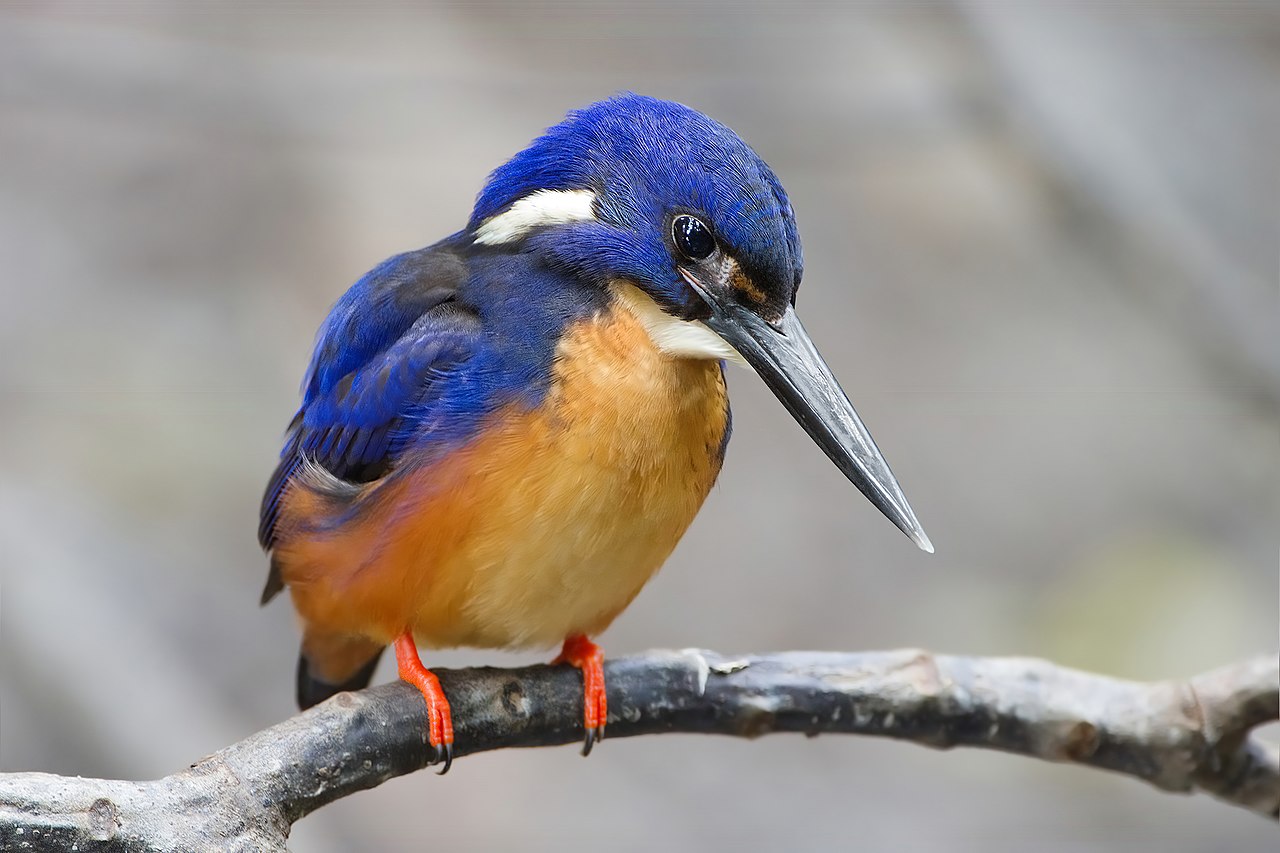
Kingfishers are known for their bright plumage, which includes vivid colors like blue, green, and orange.
Kingfishers are skilled hunters!
Kingfishers are mostly solitary birds, but some species do form small groups during the breeding season.
Photos of Alcedinidae

Alcedinidae — photo 1

The paradise kingfishers of New Guinea have unusually long tails for the group.

The kookaburra has a call which sounds like laughter.

Like many forest-living kingfishers, the yellow-billed kingfisher often nests in arboreal termite nests.

The black-backed dwarf kingfisher is considered a bad omen by warriors of the Dusun tribe of Borneo.

Forest kingfisher in Queensland

Alcedo atthis diving towards prey

Alcedinidae — photo 8

🌿 Ecological Role
Kingfishers play an important role in our ecosystems! 🌿By eating fish and insects, they help keep nature balanced. They control fish populations, ensuring that aquatic environments remain healthy. Their hunting habits can help other species thrive by supporting the food web. 🕸️ Plus, as they catch fish, they also help maintain water quality by keeping ecosystems in harmony. Kingfishers truly are vital players in protecting our natural world! 🌎
Go deeper🦜 Notable Species
One of the most well-known kingfishers is the Common Kingfisher (Alcedo atthis), famous for its brilliant blue and orange feathers! 🦜Another notable species is the Puff-backed Kingfisher, which lives in Africa and has a distinct puffed-up appearance. There’s also the Giant Kingfisher, one of the largest in the world, measuring about 18 inches long! Each species has a unique beauty and set of behaviors that make them special. Learning about these different kinds of kingfishers can be exciting and full of surprises! 🎉
Go deeper🌍 Conservation Status
Many kingfisher species are considered stable, but some face threats from habitat loss due to pollution and urban development. 🌍Certain species, like the Borneo Kingfisher, are endangered because their habitats are destroyed. Conservation efforts are underway to protect these vibrant birds and their homes. Organizations work hard to clean up rivers and wetlands, ensuring kingfishers have a safe place to live and thrive. Together, we can help keep kingfishers flying high! 🌟
Go deeper🌱 Breeding And Nesting
When kingfishers breed, they create nests in tunnels dug into riverbanks or trees. 🌱The female usually lays between 3 to 7 eggs, which both parents incubate. The hatchlings are born blind and rely on their parents for food. 🥚After a few weeks, the chicks learn to fly and leave the nest. Kingfishers often return to the same nesting spot year after year! This shows how important it is for them to find safe and suitable places for their little ones to grow up. 🐣
Go deeper🌏 Cultural Significance
Kingfishers have inspired various cultures worldwide! 🌏In some places, they symbolize peace and prosperity. People have drawn these colorful birds in art and folklore for centuries. In Japan, the kingfisher is often seen in poetry, representing happiness and good fortune. There are also children’s stories and cartoons featuring kingfishers, making them beloved characters in many cultures! 🎨This shows how deeply connected kingfishers are to our imagination and creativity!
Go deeper🌊 Habitat And Distribution
Kingfishers mainly live near rivers, lakes, and ponds where water is abundant. 🌊They can be found on every continent except Antarctica! In North America, the Belted Kingfisher is a common sight near wetlands. Meanwhile, in Africa, the colorful Malachite Kingfisher thrives in tropical areas. Each kingfisher species has a specific habitat where they build their nests, often in banks or tree cavities! 🌳This means they have a home unique to their needs, adapting wonderfully to different environments.
Go deeper💙 Physical Characteristics
Kingfishers are known for their bright plumage, which includes vivid colors like blue, green, and orange. 💙💚🧡 Most kingfishers are small to medium-sized, measuring about 5 to 18 inches long! They have large heads, short necks, and long pointed bills perfect for catching fish. Their feet are smaller than those of many other birds, making them great for perching on branches near water. Some species have unique features like crowns or stripes that help them stand out even more in their surroundings! They are truly nature’s little gems! 💎
Go deeper🐟 Diet And Feeding Behavior
Kingfishers are skilled hunters! 🐟They primarily eat fish, but they also enjoy insects, frogs, and crustaceans. Their sharp eyesight helps them spot prey from above. Once they find their target, they dive down at remarkable speeds—some species can plunge as deep as 3 feet! 🌊After catching their meal with their sharp beaks, they return to their perch to enjoy it. Kingfishers can even consume fish larger than their head! Talk about an impressive feeding habit! 🍽️
Go deeper👫 Social Behavior And Communication
Kingfishers are mostly solitary birds, but some species do form small groups during the breeding season. 👫They communicate using a series of whistles, clicks, and chirps. The sounds help them warn others of danger or call to their mates. Kingfishers are not very vocal when fishing, but they might make a sound when they catch something! 🎶These beautiful birds are usually very focused and calm, making them excellent hunters amidst the sounds of nature.
Go deeper