Alaudidae Facts For Kids
Larks are cheerful passerine birds of the family Alaudidae, known for their beautiful songs and found in open fields worldwide.
Select reading age
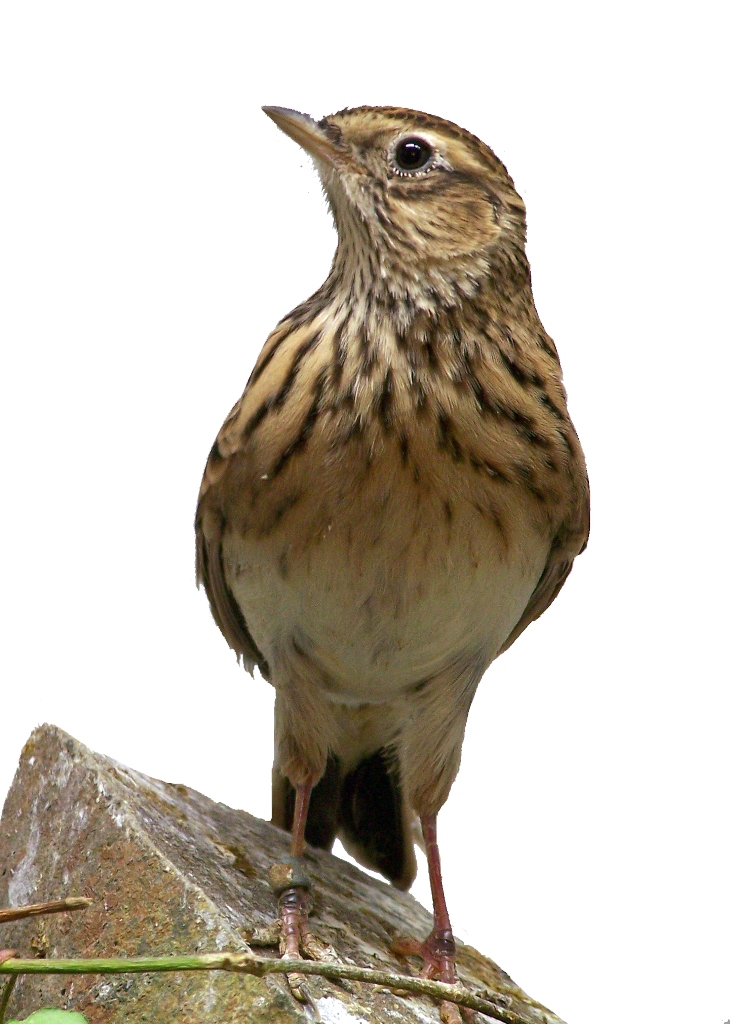
Alaudidae Facts For Kids
Videos & Quizzesincluded
About this topic
Larks are small, charming birds that belong to the family Alaudidae 🌍. They are often found hopping around on the ground and are known for their beautiful songs. Larks live all around the world, especially in Europe, Asia, and Africa. With over 90 different species, they come in various colors and sizes. 🐦These lovely birds are famous for their unique way of singing while flying high in the sky! Take a moment to listen the next time you spot one; their music can make any day feel brighter! 🎶
Explore with ChatDinoKey Points
One of the most famous larks is the Sky Lark (Alauda arvensis) 🦜, known for its incredible singing abilities.
While many lark species are still common, some are facing threats due to habitat loss and changes caused by farming and development 🌱.
During the breeding season, male larks show off their beautiful songs to attract females!
Scientists and naturalists study larks to learn more about their behavior, songs, and habitats!
Larks have inspired songs, poems, and stories throughout history!
Larks are famous for their amazing singing abilities!
Larks enjoy living in open areas like fields, grasslands, and deserts.
Larks are generally small, with most species measuring about 4 to 10 inches long.
Larks are often found searching for food on the ground.
Larks are classified under the family Alaudidae, which is part of the order Passeriformes.
Photos of Alaudidae

Alaudidae — photo 1

Alaudidae — photo 2

Alaudidae — photo 3

Alaudidae — photo 4


Alaudidae — photo 7

Alaudidae — photo 8

🦜 Notable Species
One of the most famous larks is the Sky Lark (Alauda arvensis) 🦜, known for its incredible singing abilities. The Crested Lark can be identified by its unique crest of feathers on its head! Another interesting one is the Bimaculated Lark with its lovely speckled plumage. 🌟These notable species help showcase the wonderful diversity of larks around the world, making them a fun topic for bird lovers!
Go deeper🌱 Conservation Status
While many lark species are still common, some are facing threats due to habitat loss and changes caused by farming and development 🌱. The International Union for Conservation of Nature (IUCN) keeps track of their conservation status. For example, the Greater Short-toed Lark is considered “Near Threatened.” 🛡️ It’s important for us to protect these lovely birds and their homes so they can continue to fill our skies with song!
Go deeper🎵 Reproductive Biology
During the breeding season, male larks show off their beautiful songs to attract females! 🎵Once they find a mate, they build their nests close to the ground, often hidden in tall grass. The female lays 2 to 6 eggs, which are usually brown-speckled. 🥚After about 10 to 15 days, the eggs hatch, and both parents care for their chicks. The young larks grow quickly and leave the nest after just a few weeks, ready to explore the world! 🌍
Go deeper📚 Research And Studies
Scientists and naturalists study larks to learn more about their behavior, songs, and habitats! 📚Research helps us understand how these birds adapt to changes in their environment. Citizen science projects allow kids and families to track local lark populations, making it fun to get involved! 🧑🤝🧑 The more we know about larks, the better we can protect them and the places they live, ensuring they continue to sing for generations to come! 🎈
Go deeper🎤 Cultural Significance
Larks have inspired songs, poems, and stories throughout history! 🎤In many cultures, people see larks as symbols of happiness and freedom. 🕊️ For example, the common Skylark is a popular subject in poetry, representing a joyful spirit and the beauty of nature. Larks also appear in art and folklore, reminding us to appreciate the simple, joyful moments in life! 🌸
Go deeper🎶 Vocalizations And Songs
Larks are famous for their amazing singing abilities! 🎶The male larks not only sing to attract mates, but they also perform what's called "song flights," where they soar high in the sky while singing. Their songs can sound like cheerful melodies, making them delightful to listen to. 🎤Some species, like the Sky Lark, can sing over 300 different songs! This musical talent helps them communicate and mark their territory, creating a beautiful symphony of nature! 🌼
Go deeper🌾 Habitat And Distribution
Larks enjoy living in open areas like fields, grasslands, and deserts. 🌾They can be found in various places across the globe, with many species found in Europe and Asia. For instance, the Eurasian Skylark can be spotted from the UK all the way to the Himalayan Mountains! 🌄They love places where they can easily spot predators while searching for seeds and insects on the ground. It’s all about finding the perfect spot to live and thrive!
Go deeper🍂 Physical Characteristics
Larks are generally small, with most species measuring about 4 to 10 inches long. They have a round body, short tails, and long legs which help them hop on the ground. Many larks are brown or tan, which helps them blend in with their surroundings! 🍂They have strong beaks that allow them to dig for food. Sky Larks, for example, have a distinctive fluffy crown of feathers on their heads! 🎩These features make larks unique and fun to watch in nature!
Go deeper🌱 Diet And Feeding Behavior
Larks are often found searching for food on the ground. Their diet mainly consists of seeds, leaves, and small insects! 🌱🍥 When searching for food, they use their beaks to peck at the ground, making it easy to find tasty treats. Some larks even sing a happy tune while they eat, which is great for attracting mates! 🎤They are very resourceful feeders, using their long legs to move quickly and efficiently to find food.
Go deeper🦜 Taxonomy And Classification
Larks are classified under the family Alaudidae, which is part of the order Passeriformes. This means they are "perching birds." Larks share their family with other unique birds like pipits. Their scientific names usually start with “Alauda” for the common lark! 🦜The most recognized lark, the Sky Lark (Alauda arvensis), is known for its high-altitude singing! 😊Scientists study these birds to learn more about their behavior and habitats, helping us understand how to protect them.
Go deeper