Airplane Facts For Kids
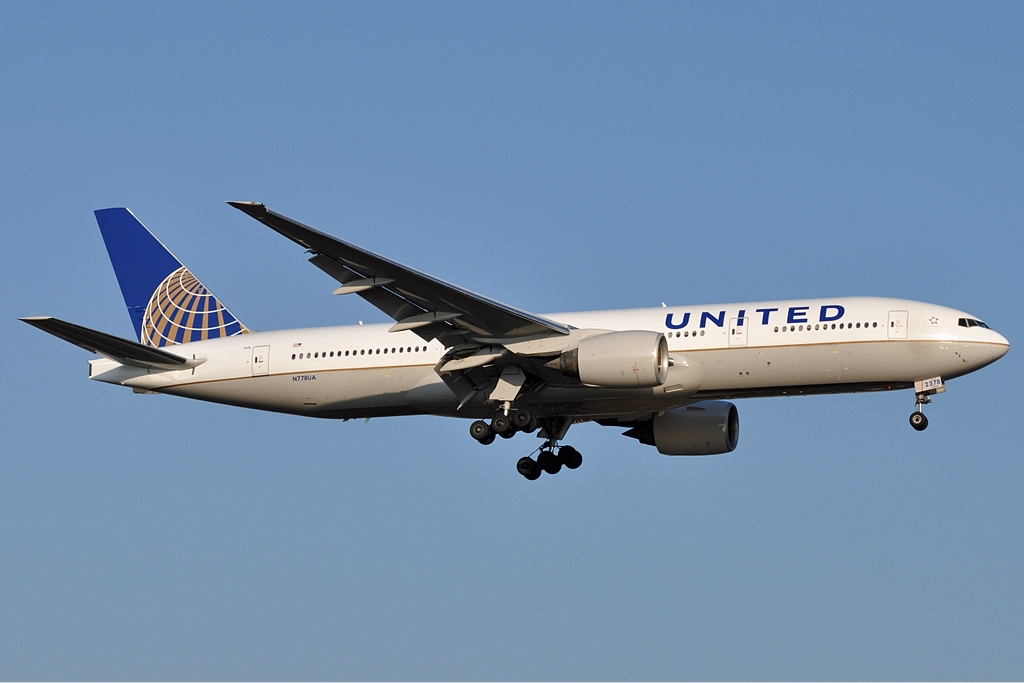
An airplane is a fixed-wing aircraft propelled forward by thrust from engines, enabling it to fly high in the sky.
Select reading age
Airplane Facts For Kids
Videos & Quizzesincluded
About this topic
Airplanes are amazing machines that help us travel through the sky! ✈️ They have wings that lift them up and keep them in the air. Airplanes can take people and cargo all over the world, connecting cities and countries. Did you know that the first powered airplane was built by the Wright brothers, Orville and Wilbur, in 1903? They made history with their famous flight in Kitty Hawk, North Carolina! 🌍Planes come in all shapes and sizes, and they help us explore the world faster than ever before. Isn’t that cool?
Explore with ChatDinoKey Points
Ever wonder how planes stay in the sky?
Airplanes come in many different types!
The story of airplanes begins long ago!
There are many famous airplane models that people admire!
Airplanes are made up of many different parts, and each part has a special job!
Aerodynamics is a fun word!
The future of airplanes looks exciting!
Airplanes need to be strong but also light!
Airplanes serve different purposes!
Safety is the number one priority in aviation!
Photos of Airplane

Le Bris and his glider, Albatros II, photographed by Nadar, 1868

Otto Lilienthal in mid-flight, Berlin, c. 1895

Patent drawings of Clement Ader's Éole.

The Wright Flyer's first flight on 17 December 1903

Santos-Dumont 14-bis, between 1906 and 1907

North American P-51 Mustang, a World War II fighter aircraft

American Airlines Boeing 737-800 landing at Ronald Reagan Washington National Airport in July 2024

The Concorde supersonic transport aircraft

🤔 How Airplanes Fly
Ever wonder how planes stay in the sky? 🤔It all starts with the wings! The wings are shaped to create lift when air moves over and under them. When the airplane goes fast enough, lift is stronger than weight, and up it goes! 🌤️ Thrust from the engines pushes the plane forward, while pilots steer using the control surfaces like ailerons and elevators. As the airplane climbs, it needs to balance all the forces—lift, weight, thrust, and drag. ✈️ When it’s time to land, pilots reduce thrust, and the airplane gently glides down. Flying is a well-coordinated teamwork!
Go deeper🛩️ Types Of Airplanes
Airplanes come in many different types! 🛩️ There are passenger planes like the Boeing 747, which can carry over 400 passengers! Then, there are cargo planes, like the Lockheed Martin C-130, designed to carry goods. ✈️ Military airplanes include fighter jets, such as the F-22 Raptor, which are built for speed and defense. There are also small planes, called general aviation aircraft, used by private pilots. 🛫Finally, let’s not forget about seaplanes that can take off and land on water! 🌊Each type of airplane is special and serves a unique purpose.
Go deeper🎈 History Of Airplanes
The story of airplanes begins long ago! Long before the first plane flew, people dreamed of flying. 🎈In 1903, Orville and Wilbur Wright built the Wright Flyer, the first successful powered airplane. It flew for just 12 seconds, but it changed the world! 🌎Over the years, inventors like Charles Lindbergh, who flew solo across the Atlantic Ocean in 1927, made airplanes even better. By World War II, planes were used for fighting and transporting supplies. Today, we have jets that can fly at amazing speeds and travel around the globe in hours!
Go deeper🛩️ Famous Airplane Models
There are many famous airplane models that people admire! One of the most recognized is the Boeing 747, also known as the "Jumbo Jet." 🛩️ This massive airplane revolutionized travel by carrying many passengers across the globe. Another is the Airbus A380, the world's largest passenger airplane. ✈️ The Concorde was a super-fast jet that flew from New York to London in just over three hours! 🌍The F-22 Raptor is a famous military jet known for its speed and agility. Each of these planes has made its mark in aviation history!
Go deeper🛠️ Components Of An Airplane
Airplanes are made up of many different parts, and each part has a special job! 🛠️ The wings help to lift the airplane into the sky. The cockpit is where the pilots sit and control the plane. 🧑✈️ Engines, either jet or propeller, create thrust and make the airplane go. The fuselage is the main body, where passengers and cargo are stored. 🧳Don’t forget about the tail, which stabilizes the plane and helps it steer! Finally, landing gear helps the airplane safely land on the ground. 🚀Together, all these parts make flying possible!
Go deeper🌬️ Basic Aerodynamics Principles
Aerodynamics is a fun word! It helps us understand how airplanes fly through the air. 🌬️ There are four important forces at play: lift, weight, thrust, and drag. Lift is what pushes the airplane up, and it comes from the shape of the wings. The weight of the airplane pulls it down to the ground. ✈️ Thrust is the force that moves the airplane forward, created by engines. Finally, drag is when the air slows down the airplane. Balancing these forces is like a dance in the sky! 🎶That’s how pilots make sure planes stay in the air.
Go deeper🚀 Future Of Aviation Technology
The future of airplanes looks exciting! 🚀Engineers and scientists are developing new flying technologies, like electric and hybrid airplanes! These airplanes will be more environmentally friendly and use less fuel. 🌱Additionally, flying taxis and drones are being tested! Imagine hopping into a flying car to get to school! 🚖Artificial intelligence is also being integrated into airplanes to improve safety and efficiency. Countries are developing supersonic jets that can fly faster than sound! With all these innovations, the skies will soon be filled with amazing new aircraft that help us travel smarter! 🌤️
Go deeper🌟 Airplane Construction Materials
Airplanes need to be strong but also light! 🌟That's why they are built from special materials. The main material is aluminum, which is lightweight and doesn’t rust. But nowadays, many airplanes also use advanced materials like carbon-fiber-reinforced polymers. 🛠️ These materials are even lighter and stronger! Some parts, like the engine, are made from heat-resistant alloys. The windows are often made from thick plastic to keep them strong and safe. ✈️ Just like a superhero, these materials help airplanes fly high while keeping passengers and cargo safe!
Go deeper✈️ Commercial Vs. Military Airplanes
Airplanes serve different purposes! ✈️ Commercial airplanes are designed to transport passengers and cargo for airlines. Examples are Boeing and Airbus airplanes that fly thousands of people every day. 🧳They often fly at cruising altitudes of 35,000 feet! On the other hand, military airplanes, like the F-16, are made for defense and can travel fast and maneuver quickly. ⚔️ They help protect countries and carry out missions. Although both types are airplanes, their designs, speed, and purposes differ greatly. Each one is important in its own way!
Go deeper✈️ Safety And Regulations In Aviation
Safety is the number one priority in aviation! ✈️ The Federal Aviation Administration (FAA) in the USA and other agencies worldwide create rules to keep flying safe. Before flights, planes are inspected to ensure everything is working well. 🛠️ Pilots must undergo rigorous training and pass tests, including practicing in flight simulators. 📚All commercial flights have emergency protocols to follow, like wearing seatbelts during turbulence. Plus, airplanes are designed to handle difficult conditions, like storms. 🌩️ With these rules and safety measures, flying is one of the safest ways to travel!
Go deeper