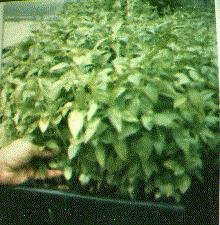
Aeroponics is a soil-less cultivation method that uses a nutrient-laden mist to grow plants, enhancing growth while conserving water and space.


Set reading age
View for Kids
Easy to read and understand
View for Students
Clear, detailed explanations
View for Scholars
Deep dives and big ideas
Aeroponics is a smart way to grow plants without soil! 🌱Instead, plants grow in the air with their roots hanging down. They get water, nutrients, and air from a fine mist sprayed on them. This method can help you grow delicious vegetables and fruits quickly! Some plants that grow well in aeroponics include lettuce, strawberries, and herbs. 🌿Aeroponics is used in many places around the world, especially in big cities where there isn't much space for farms. It helps save water and grows plants faster compared to traditional farming. Isn't that cool? 🌎💧
The future of aeroponics is looking bright! ✨Scientists and farmers are researching new ways to make aeroponic systems more efficient and easier to use. 🌍🚀 They are also finding new crops that can be grown in aeroponics. There's exciting potential for growing food in urban areas where land is limited! 🌆With climate change and hungry populations, aeroponics can help provide fresh food sustainably. 🌿Plus, it encourages young people to study science and technology, making them future problem-solvers! 👩🔬👨🔬 Aeroponics could be an important part of taking care of our planet! 🌎❤️
Aeroponics works like a magic mist! ✨The plants are kept in special containers, with their roots hanging down into the air. A pump sprays water mixed with nutrients onto the roots. 💧This mist is like a super smoothie for plants! The roots drink the water and nutrients, while also getting plenty of air. 🌬️ The mist helps plants grow really fast because they don't need to search for soil to find what they need. Plus, you only need a little water, making it a water-saving method! 🌿✅
The idea of aeroponics started in the 1960s! 🤓A scientist named Allen Cooper developed this technique at the University of California. His goal was to grow plants in space! 🚀In 1983, another scientist, Dr. Richard Stoner, used aeroponics to grow plants for NASA experiments. In the early 2000s, people began to see how amazing aeroponics was for farming on Earth. 🚜Now, many farmers and researchers are working together to discover even more uses for aeroponics around the world. 🌍Growing plants in the air has become a fantastic way to help our planet!
Aeroponics in education is a fun and creative way to learn! 🎓Classrooms can set up aeroponic gardens to teach students about biology, math, and sustainability. 🌱✨ Kids get to see how plants grow and explore concepts like water cycles and ecosystems. Teachers can use these hands-on lessons to inspire future scientists! 📚Plus, students can grow their own food, learning about healthy eating along the way. 🥗Schools around the world are using aeroponics, helping kids connect with nature in a new way. 🌍💚 Who knows? A young innovator could discover the next big thing in aeroponics! 🚀
Aeroponics has many cool benefits! First, it saves water—about 90% less than traditional farming! 💦This is important, especially in dry places. Second, plants grow quickly, sometimes in half the time! ⏱️ Third, there are no pests from soil, so farmers use fewer chemicals. 🌼Additionally, you can grow plants in small spaces, like rooftops or basements. This means fresh food can be grown even in cities! 🏙️ Lastly, aeroponics can be done all year long, no matter the weather outside! 🌞🌧️ What an amazing way to grow food!
Aeroponics and hydroponics are both soil-free farming methods, but they work differently! 🧐In hydroponics, plants are grown in water filled with nutrients. 🥦The roots are submerged and don’t get air directly. In aeroponics, roots hang in the air, getting a mist of nutrients and oxygen. 🌬️ This means aeroponics uses less water and can lead to faster growth! 🚀Hydroponics is great for larger plants, while aeroponics is perfect for smaller ones. 🌿Both methods are very helpful in growing food, and farmers use them depending on their needs! 🌍👍
Aeroponics is used in many exciting ways! 🎉In schools, students learn about plants and farming by growing their own vegetables in aeroponic systems. 🥕Some companies use aeroponics to grow food in big cities, so people can have fresh produce close by! 🏙️ In space, NASA experiments with aeroponics to find out how to grow food in other planets! 🌌Additionally, aeroponics can help fight food shortages around the world. 🌾Farmers can grow lots of essential crops quickly using this technology. Aeroponics can help make food production more sustainable and healthy! 🌱💪
While aeroponics is fantastic, it has some challenges too. 🌪️ One challenge is that it requires careful monitoring. If the mist stops spraying, plants can dry out quickly! 😟Also, setting up an aeroponic system can be expensive because it needs special equipment like pumps and lights. 💰Some people might not have enough information or experience to use aeroponics effectively. 🌱Lastly, certain plants don't grow well in aeroponics. Farmers need to know which plants are best for this method! Understanding these challenges helps improve aeroponic farming.


DIY is a creative community where kids draw, build, explore ideas, and share.
No credit card required