Aerogel Facts For Kids

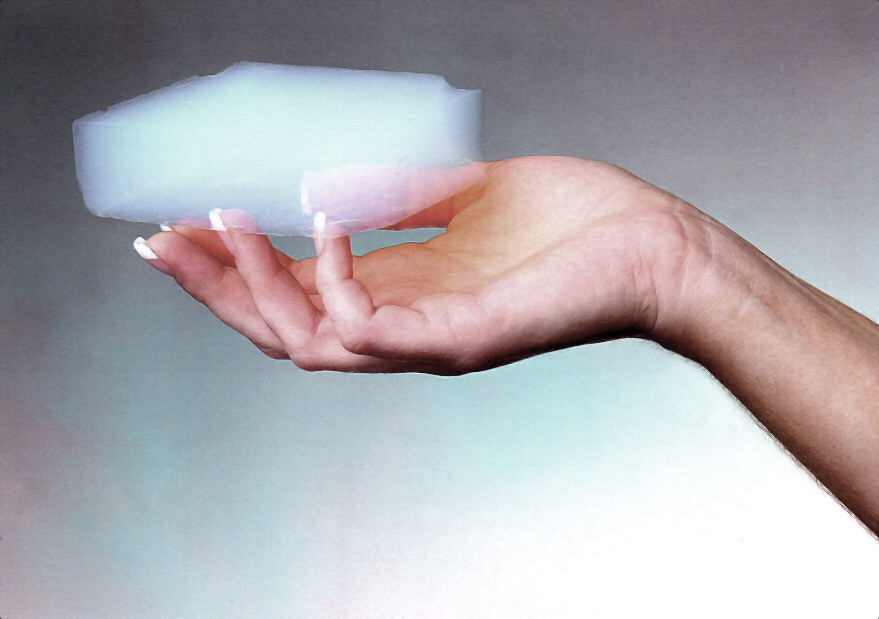
Aerogel is a lightweight, highly porous material known for its exceptional insulating properties and unique appearance, often used in advanced applications across various industries.
Select reading age
Go deeper More articles
Aerogel
Aerogel Facts For Kids
Videos & Quizzesincluded

About this topic

Aerogel is an extraordinary material that is known for being super light and very strong! 🌬️ It's made up of 90-99% air, which is why it is often called "frozen smoke." Aerogels can be blue, green, or even clear, and they feel soft and delicate, just like a feather. Scientists around the world study aerogel to understand its unique properties and find new ways to use it. It's so light that a piece of aerogel can sit on top of a flower without hurting it! 🌼This astonishing material can be found in space missions, science labs, and even in your home!
Explore with ChatDino

Key Points

There are several types of aerogels, each with unique features!
Aerogel was invented by a scientist named Samuel Kistler in 1931!
Aerogel has both positive and negative environmental impacts.
Aerogel has some very special properties!
Aerogel is used in many amazing ways!
Making aerogel is a fascinating science!
The future of aerogel technology looks bright!
Researchers are always exploring new ways to improve aerogel!

Photos of Aerogel

A flower resting on a piece of silica aerogel, which is suspended over a flame from a Bunsen burner. Aerogels have excellent insulating properties, and the flower is protected from the heat of the flame.

A flower resting on a piece of silica aerogel, which is suspended over a flame from a Bunsen burner. Aerogels have excellent insulating properties, and the flower is protected from the heat of the flame.

Comparison of aerogel fabrication strategies showing typical transitions into an aerogel: (a) the supercritical drying process where precursor materials undergo gelation prior to supercritical drying. (b) A standard freeze-drying technique where an aqueous solution is frozen.Image by Elizabeth Barrios, David Fox, Yuen Yee Li Sip, Ruginn Catarata, Jean E. Calderon, Nilab Azim, Sajia Afrin, Zeyang Zhang and Lei Zhai, licensed under Creative Commons Attribution 4.0

Comparison of aerogel fabrication strategies showing typical transitions into an aerogel: (a) the supercritical drying process where precursor materials undergo gelation prior to supercritical drying. (b) A standard freeze-drying technique where an aqueous solution is frozen.

A typical phase diagram for pure compounds. Two methods are shown for the gel to aerogel transition: The solid-gas transition (during freeze-drying) and the transition from a liquid to gas during supercritical drying.Image by Elizabeth Barrios, David Fox, Yuen Yee Li Sip, Ruginn Catarata, Jean E. Calderon, Nilab Azim, Sajia Afrin, Zeyang Zhang and Lei Zhai, licensed under Creative Commons Attribution 4.0

A typical phase diagram for pure compounds. Two methods are shown for the gel to aerogel transition: The solid-gas transition (during freeze-drying) and the transition from a liquid to gas during supercritical drying.

A 2.5 kg brick is supported by a piece of aerogel with a mass of 2 g.
A 2.5 kg brick is supported by a piece of aerogel with a mass of 2 g.

Aerogel — photo 5
Aerogel — photo 5

Stardust-particle-Tsou060207b

Stardust-particle-Tsou060207b

Aerogel — photo 7Image by Yangxi Song, Bin Li, Siwei Yang, Guqiao Ding, Changrui Zhang & Xiaoming Xie, licensed under Creative Commons Attribution 4.0

Aerogel — photo 7

Aerogel — photo 8Image by Yangxi Song, Bin Li, Siwei Yang, Guqiao Ding, Changrui Zhang & Xiaoming Xie, licensed under Creative Commons Attribution 4.0

Aerogel — photo 8

Aerogel — photo 9

Aerogel — photo 9

🌈 Types Of Aerogels

There are several types of aerogels, each with unique features! 🌈For example, silica aerogel is the most common type, made from silicon dioxide and often used in insulation. Then there's carbon aerogel, which conducts electricity and is used in batteries! ⚡Another type is polymer aerogel made from plastic, which is stretchy and flexible. Various colors, shapes, and sizes exist, and scientists are always experimenting to create even more exciting types! Each type of aerogel has specific properties that make it perfect for certain jobs, like keeping buildings warm or helping rockets fly!
Go deeper

🔬 History Of Aerogel

Aerogel was invented by a scientist named Samuel Kistler in 1931! 🔬He wanted to create a solid material while removing the liquid from a gel without letting it collapse. By using a special process called "supercritical drying," he succeeded! Fast forward to the 1960s, when NASA began using aerogel for their missions into space! 🚀It helped capture comet dust samples, making it super important for space exploration. Today, researchers are still creating innovative types of aerogel and discovering new uses for it, proving that this remarkable material has a bright future!
Go deeper

🌍 Environmental Impact

Aerogel has both positive and negative environmental impacts. 🌍On the one hand, using aerogel as an insulator in buildings can save energy, reducing our carbon footprint! This means less pollution and a healthier planet. 🌱On the other hand, some manufacturing processes for aerogel can create waste and use harmful chemicals, which can impact the environment. That's why researchers are working hard to find eco-friendly methods to produce aerogel! 🌿By creating greener solutions, we can enjoy all the benefits of aerogel while caring for our Earth!
Go deeper

🌟 Properties Of Aerogel

Aerogel has some very special properties! 🌟It is extremely lightweight; a cube of aerogel can weigh as little as a few grams. Despite being so light, it is also very strong and can support heavy weights! Additionally, aerogel is a great insulator, which means it can keep things hot or cold without letting heat escape. ❄️🔥 It's also a good sound barrier, so it can help reduce noise. All these properties make aerogel super useful in many different areas, including construction, space exploration, and even clean energy projects.
Go deeper

🌌 Applications Of Aerogel

Aerogel is used in many amazing ways! 🌌One of its most exciting uses is as an insulator in buildings, keeping people warm in winter and cool in summer. In space, merogels have been used to capture and analyze dust from comets during NASA missions! 🌠They can also help clean up oil spills because they absorb oil! Furthermore, aerogels are used in race cars to help keep the engines cool, and some are even used in sneakers for better comfort! With so many applications, it's clear that aerogel is a superhero material! 🦸‍♂️
Go deeper

🧪 Manufacturing Processes

Making aerogel is a fascinating science! 🧪First, a gel is created by mixing together different chemicals. Then, this gel is dried using the special process called "supercritical drying." This means removing the liquid without letting the gel collapse. A special machine turns the liquid inside the gel into gas, keeping the solid part safe! 🤖After that, the result is a lightweight, airy substance that we know as aerogel! Various recipes exist for making aerogel, and each one can change the final material's properties, leading to exciting discoveries in science and technology!
Go deeper

☀️ Future Of Aerogel Technology

The future of aerogel technology looks bright! ☀️ As scientists continue to discover new applications, aerogel could be used in more fields, such as cooling electronics, creating better insulation, or even in medical devices! Researchers are also exploring biocompatible aerogels, which are safe for our bodies, possibly leading to advancements in medicine! 🏥With the knowledge we’re gaining today, the potential uses for aerogel are endless! Perhaps one day, we will see aerogel in sports equipment, clothing, and even in our homes, making life better and brighter for everyone! ✨
Go deeper

🔍 Aerogel Research And Innovations

Researchers are always exploring new ways to improve aerogel! 🔍Scientists at universities, like Stanford and MIT, are experimenting with new ingredients to make even better aerogels. Some are trying to increase aerogel's strength or make it even lighter, while others focus on creating aerogels that can remove pollutants from water and air! 🌊🍃 Innovations in this area could help fight climate change and provide cleaner energy sources. As scientists learn more about aerogels, we can expect to see new breakthroughs that might change the future of technology!
Go deeper

🧠 Take the Quiz about Aerogel

Question 1 of 10

What is aerogel often called?

Question 2 of 10

Which space mission used aerogel to capture dust?

Question 3 of 10

What is the primary component replaced in a gel to create aerogel?

Question 4 of 10

What percentage of aerogel is air?

Question 5 of 10

Which property makes aerogel a great insulator?

Question 6 of 10

In what range can aerogel withstand temperatures?

Question 7 of 10

What environmental application can aerogel serve?

Question 8 of 10

What unique feature do some aerogels possess?

Question 9 of 10

Which of the following materials can aerogel be made from?

Question 10 of 10

What is the general use of aerogel in electronics?

🔒

Your results

Answer all 10 questions to see how you did.

Kid-safe AI powered by AstroSafe

DIY.org

Kid-safe AI for discovery and learning. Ask anything, explore everything, learn with confidence.

Product

  • Pricing
  • App
  • All Apps

Resources

  • Blog
  • Kids Wikipedia
  • Worksheets
  • Activities for Kids
  • Build a Hacker Simulator
  • SafeTube

Company

  • About
  • Terms & Conditions
  • Privacy Policy
  • AstroSafe
TwitterInstagramYouTube

© 2026 DIY.org. All rights reserved. · Powered by AstroSafe