Adam Mickiewicz Facts For Kids
Adam Mickiewicz was a renowned Polish poet, dramatist, and political activist known for his contributions to Polish literature and his passionate advocacy for Polish culture and independence.
Select reading age
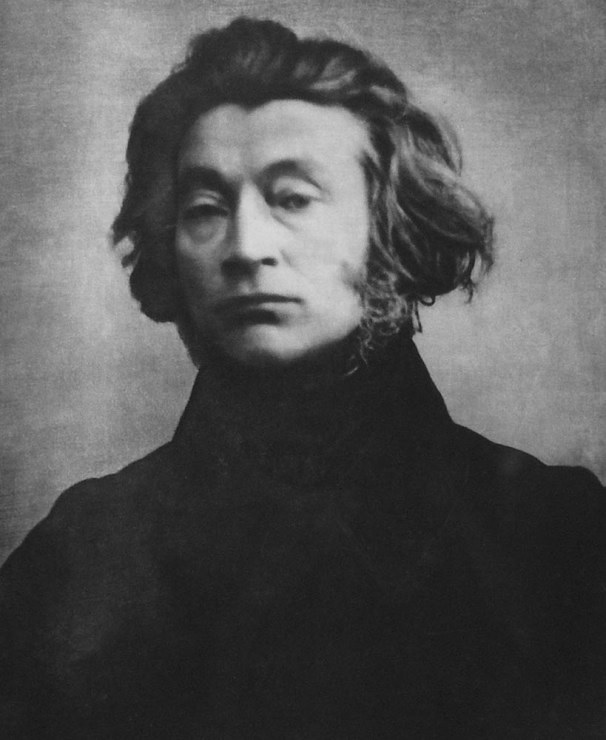
Adam Mickiewicz Facts For Kids
Videos & Quizzesincluded
About this topic
Adam Mickiewicz was a famous Polish poet 🎤 and writer born on December 24, 1798, in a small village called Zaosie, which is part of Poland. He is considered one of the greatest poets in Poland's history! 🇵🇱 Mickiewicz wrote many poems, plays, and essays that helped people understand their culture and fight for freedom. He is well-known for his romantic style, which means he wrote about strong emotions, nature, and Polish history. Adam played a crucial role in Poland's literary scene 🌟 and inspired many generations with his beautiful words and ideas.
Explore with ChatDinoKey Points
Adam Mickiewicz wrote several important works, with his most famous being "Pan Tadeusz" (1834).
Adam Mickiewicz greatly impacted Polish culture and identity.
Mickiewicz's literary career began in the early 1820s when he published his first major work, "Grażyna," a poem about a brave woman 🦸♀️ from Polish folklore.
In his writings, Adam Mickiewicz explored themes of love ❤️, nature 🌳, and freedom.
Adam Mickiewicz has received many honors for his contributions to literature and culture.
Adam Mickiewicz's influence on literature is immense!
Adam Mickiewicz grew up in a loving family that valued education.
Mickiewicz's works have been translated into many languages 🌎, allowing people all over the world to appreciate his stories and poems.
Mickiewicz didn't just write poetry; he also cared deeply about his country's future.
Photos of Adam Mickiewicz

Zaosie manor, possible birthplace

Church of the Transfiguration of Jesus, in Navahrudak, where Mickiewicz was baptized

Mickiewicz's house, Navahrudak

Princess Zinaida Volkonskaya's Moscow salon, frequented by Mickiewicz

Adam Mickiewicz on the Ayu-Dag, by Walenty Wańkowicz, 1828

Mickiewicz, 1835

Mickiewicz

Adam Mickiewicz praying in front of Our Lady of the Gate of Dawn, by Piotr Stachiewicz

Late in life
📜 Major Works
Adam Mickiewicz wrote several important works, with his most famous being "Pan Tadeusz" (1834). 📜This epic poem tells the story of two noble families in Poland during the early 19th century. Another notable work is "Dziady" (Forefathers’ Eve), a dramatic poem that deals with Polish traditions and the connection between the living and the dead. These works are loved by many and are often taught in schools around the world! Adam's writings were not only beautiful but also captured the spirit and struggles of his people during a challenging time in Polish history.
Go deeper🎉 Cultural Impact
Adam Mickiewicz greatly impacted Polish culture and identity. 🎉His poems are celebrated in schools, and many Polish people can recite lines from his famous works. He is often regarded as a national treasure, and his ideas about love for one’s country helped shape Poland’s history. Festivals and events are held in his honor, where people celebrate his life and work. Mickiewicz has also influenced music and art, with many composers creating pieces based on his poems. He continues to be a source of pride and inspiration for Polish people everywhere.
Go deeper🦸♀️ Literary Career
Mickiewicz's literary career began in the early 1820s when he published his first major work, "Grażyna," a poem about a brave woman 🦸♀️ from Polish folklore. His writings were deeply emotional and full of Polish spirit. Adam explored themes of love, nature, and freedom, which connected readers to their heritage. He became a leader in the romantic movement in literature, inspiring others to write about their own feelings and experiences. In 1832, he moved to Paris, where he joined other Polish writers and continued to create masterpieces that would last for generations. 📚
Go deeper❤️ Themes And Style
In his writings, Adam Mickiewicz explored themes of love ❤️, nature 🌳, and freedom. He often used symbols from Polish culture and folklore, which made his work exciting and relatable to his readers. His style is known as Romanticism, focusing on strong emotions and individual experiences. Adam believed in the power of the imagination and wrote about dreams, longing, and the beauty of the world around us. His language was rich and full of imagery, helping readers to feel connected to their own stories and heritage. ✍️
Go deeper📜 Awards And Honors
Adam Mickiewicz has received many honors for his contributions to literature and culture. 📜After his death on November 26, 1855, he became a symbol of Polish national identity. Many streets, parks, and schools are named after him in Poland and around the world! There are monuments in his honor, reminding us of his impact on literature and the fight for freedom. His legacy continues to thrive, inspiring students and writers who carry on the tradition of sharing stories about the beauty and strength of the human spirit. 🌟
Go deeper🌍 Influence And Legacy
Adam Mickiewicz's influence on literature is immense! His work inspired countless Polish writers and poets, who followed his example and shared their cultural stories. His themes of freedom and national pride inspired people during difficult times. 🌍Adam's writings united the Polish people in their fight for independence and encouraged them to express their emotions creatively. Today, he is remembered as a national hero and a symbol of Poland’s literary greatness. Many schools in Poland teach his works, showing how his legacy lives on in the hearts of new generations.
Go deeper🎉 Early Life And Education
Adam Mickiewicz grew up in a loving family that valued education. He attended school in nearby Vilnius, now the capital of Lithuania 🇱🇹. At school, Adam loved reading and writing poetry. He was inspired by Polish folklore and stories from his childhood. When he was just a young student, he began sharing his poems with friends, and they loved them! 🎉Later, he studied at the University of Vilnius, where he became passionate about literature and philosophy. His education shaped him into a powerful writer who could express the dreams and struggles of his people.
Go deeper🌎 Translations And Adaptations
Mickiewicz's works have been translated into many languages 🌎, allowing people all over the world to appreciate his stories and poems. His epic "Pan Tadeusz" has inspired films, plays, and musicals, making his work accessible to different audiences. 🎭Artists and writers from various countries have adapted his themes, showing how connected humans are through emotions, stories, and struggles. Through translations and adaptations, Mickiewicz's powerful messages about love and freedom spread far beyond Poland, touching lives worldwide.
Go deeper📘 Political Engagement And Exile
Mickiewicz didn't just write poetry; he also cared deeply about his country's future. Due to political unrest in Poland, many of his actions led him to live in exile. Adam supported Poland's independence and fought against oppression. He traveled to places like France and Italy, sharing his vision for a free Poland. 🇫🇷 His experiences in exile shaped his writing, as he often wrote about longing for his homeland. Despite being away, he never stopped believing in the power of words to inspire change and help his people.
Go deeper