Abydos Facts For Kids
Abydos is one of the oldest cities in ancient Egypt, known for its historical significance, religious practices, and archaeological findings.
Select reading age
Abydos Facts For Kids
Videos & Quizzesincluded
About this topic
Abydos is one of the oldest cities in ancient Egypt, located in the desert in the southern part of the country. 🏜️ This city was very special to the Egyptians because it was linked to the afterlife and their gods. It was built over 5,000 years ago! 🌟Abydos was not a big city, but it was incredibly important for ceremonies and rituals. Many ancient Egyptians made the long journey to Abydos to honor their dead. The city is famous for being the burial place of Osiris, the god of the afterlife! 🌙Abydos is also a UNESCO World Heritage Site today.
Explore with ChatDinoKey Points
During the New Kingdom, which lasted from around 1550 to 1070 BC, Abydos became even more important!
Archaeologists have found many amazing artifacts in Abydos!
Abydos has had a lasting impact on art, culture, and beliefs that can still be seen today.
Funerary practices were very important in Abydos and ancient Egypt.
Abydos is home to some amazing temples and structures!
Today, Abydos is a popular destination for tourists!
Abydos was one of the most important cities in ancient Egypt, especially during the time of the pharaohs.
Abydos is located in Upper Egypt, near the Nile River, about 450 kilometers (280 miles) south of Cairo.
Abydos was deeply rooted in ancient Egyptian mythology, mainly linked to Osiris, the god of the underworld.
Photos of Abydos

Possible illustration of the conflict between Abydos and Nekhen, on the Gebel el-Arak Knife, Louvre Museum, 3300–3200 BCE.[6]


Part of the Abydos King List

Tomb relief depicting the vizier Nespeqashuty and his wife, KetjKetj, making the journey of the dead to the holy city of Abydos – from Deir el-Bahri, Late Period, Twenty-sixth Dynasty of Egypt, reign of Psammetichus I

Panel from the Osiris temple: Horus presents royal regalia to a worshipping Seti I.

Plan of Abydos

The Chapel of Amun

The Osireion at the rear of the temple
🌟 Abydos In The New Kingdom
During the New Kingdom, which lasted from around 1550 to 1070 BC, Abydos became even more important! 🌟Pharaohs built and expanded temples to honor Osiris and prepare for the afterlife. They also held grand ceremonies and festivals in the city. Abydos was a place of pilgrimage. 👣People from all over Egypt traveled there to pay respects and be part of the celebrations. The New Kingdom saw the rise of fantastic art and architecture in Abydos, making it a vibrant and energetic hub of ancient Egyptian culture! 🎨
Go deeper🚀 Artifacts And Discoveries
Archaeologists have found many amazing artifacts in Abydos! 🚀For example, they discovered pottery, jewelry, tools, and even toys that give us clues about life in ancient Egypt. 🏺Their finds also include mummies, scarabs (which symbolize protection), and beautiful murals showing scenes from daily life and mythology. These artifacts tell the story of the people who lived there thousands of years ago and provide insight into their beliefs, customs, and practices! 🔍Each discovery helps us better understand this fascinating civilization! 📖
Go deeper🌍 Cultural Impact Of Abydos
Abydos has had a lasting impact on art, culture, and beliefs that can still be seen today. 🌍Many stories and ideas about gods and the afterlife originated from Abydos. Artists and writers continue to be inspired by the myths of Osiris and Isis! 📚Additionally, ancient Egyptian architecture, especially temples, has influenced many buildings around the world. Abydos is a symbol of Egypt's rich history and spirituality, reminding scholars and fans alike about the country's amazing culture and creativity. 🎉Exploring Abydos helps us learn more about who we are today! 🏺
Go deeper🌙 Funerary Practices And Tombs
Funerary practices were very important in Abydos and ancient Egypt. Many Egyptians believed in an afterlife and wanted to prepare properly for it. 🌙They buried their loved ones with special objects, food, and gifts to help them in their next journey. In Abydos, many tombs were built with spirals of walls, richly decorated with drawings and inscriptions. 🏺The most famous tombs are the royal tombs, where pharaohs and important people were laid to rest. These tombs were built with care and effort, helping us understand how much the Egyptians cared about the afterlife! ❤️
Go deeper🏛️ Major Temples And Structures
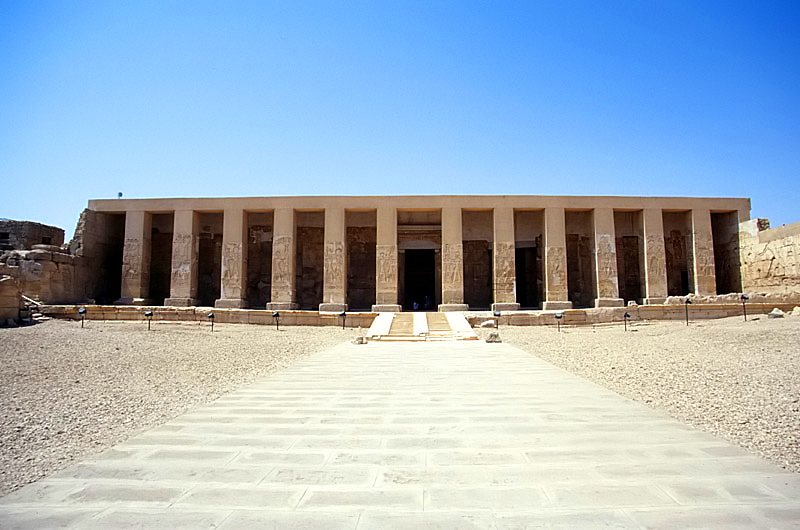
Abydos is home to some amazing temples and structures! 🏛️ One of the most famous is the Temple of Seti I, built by Pharaoh Seti I around 1300 BC. This temple is incredible and has many beautiful carvings and hieroglyphs that tell stories of gods and pharaohs! ✍️ There is also the Osireion, thought to be the burial place of Osiris himself. Its design is unique, symbolizing the resurrection of Osiris. 🏺The temples were important for religious ceremonies, and people would come from far away to worship there, making Abydos a lively and sacred place! ✨
Go deeper🌍 Tourism And Modern-day Abydos
Today, Abydos is a popular destination for tourists! 🌍People from all over the world come to see the ancient temples and learn about Egyptian history. Many guided tours explore the famous Temple of Seti I and other archaeological sites. 🏛️ Tourists also visit museums nearby to see wonderful artifacts, making it a rich experience for learners of all ages! 💼Visitors help preserve Abydos and keep its history alive. This way, people today can learn about ancient Egyptian culture, beliefs, and achievements! 😄🥳
Go deeper✨ Historical Significance Of Abydos
Abydos was one of the most important cities in ancient Egypt, especially during the time of the pharaohs. ✨Pharaohs believed that if they were buried in Abydos, they would be closer to the afterlife and the god Osiris. The first king of a united Egypt, Narmer, was buried here around 3100 BC! 👑Many other royalty and nobles chose to build their tombs in Abydos, believing it would help them in the next life. 🌌Because of its ancient history, Abydos was a sacred place, filled with temples and monuments dedicated to the gods. This area teaches us a lot about ancient Egyptian beliefs! 📜
Go deeper🌊 Geography And Archaeology Of Abydos
Abydos is located in Upper Egypt, near the Nile River, about 450 kilometers (280 miles) south of Cairo. 🌊This location made it a prime spot for ancient Egyptians because of the fertile land and easy access to water. The area is surrounded by a dry desert, which helps preserve many of its ancient structures. Archaeologists have explored Abydos since the 19th century, unearthing many treasures! 🏺They have found temples, tombs, and everyday items that tell the story of life in ancient Egypt. Excavations continue today, helping us learn more about this ancient civilization! 🕵️♂️
Go deeper🌌 Abydos In Ancient Egyptian Mythology
Abydos was deeply rooted in ancient Egyptian mythology, mainly linked to Osiris, the god of the underworld. 🌌Egyptians believed that Osiris died and was reborn in Abydos, making it a crucial site for his worship. Also, they thought that many kings and pharaohs became gods after their death, and Abydos was key in this new life! 😇Festivals, especially the "Osirian Mysteries," were held here to honor Osiris and his wife, Isis. Everyone gathered to celebrate, dance, and offer gifts to the gods. This connection made Abydos a center for beliefs in life after death! 🎉
Go deeper