Abidjan Facts For Kids
Abidjan is a bustling coastal city in Côte d'Ivoire, recognized for its economic importance, vibrant culture, and rich history.
Select reading age
Abidjan Facts For Kids
Videos & Quizzesincluded
About this topic
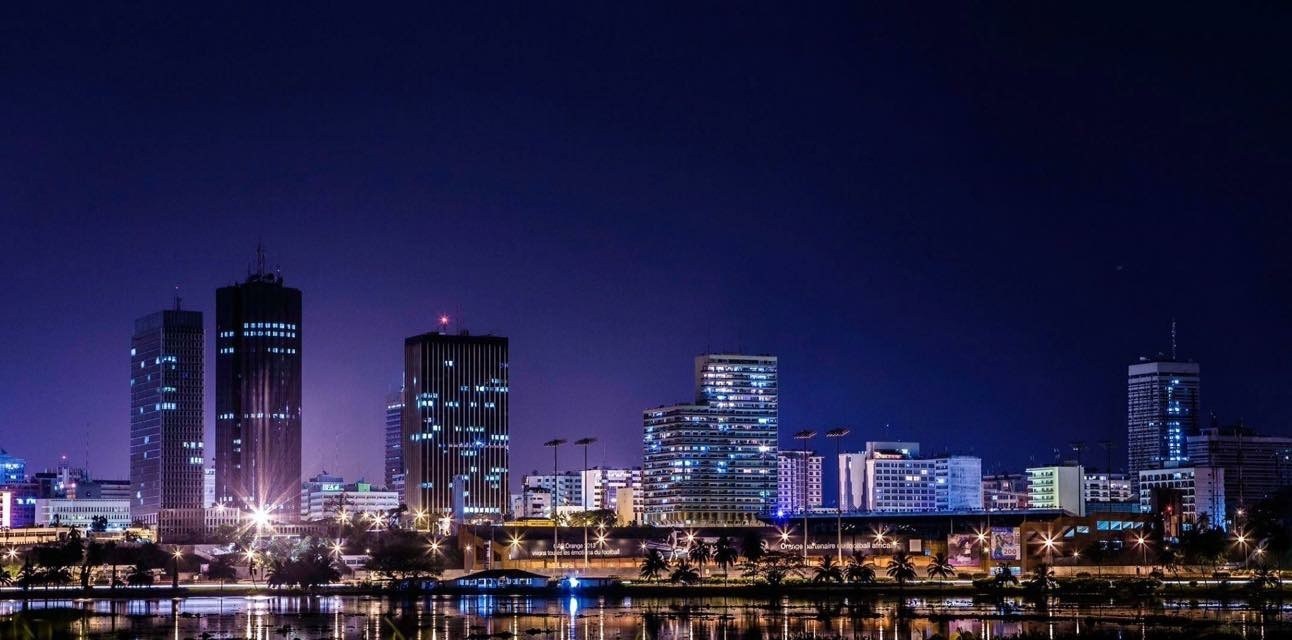
Abidjan 🇨🇮 is the largest city in Côte d'Ivoire, also known as Ivory Coast, which is a country in West Africa. It has a population of over 5 million people, making it one of the most crowded cities in Africa! Abidjan is an important economic center and is known for its beautiful lagoon and modern skyscrapers. The city sits near the Gulf of Guinea, which is part of the Atlantic Ocean. People in Abidjan speak French and many local languages like Akan and Mandé. Because it’s a bustling city, there’s always something exciting happening! 🎉
Explore with ChatDinoKey Points
Abidjan's cuisine is delicious and diverse 🍲!
Abidjan is the economic heart of Côte d'Ivoire 💼.
Abidjan was established in the late 19th century when the French colonized Côte d'Ivoire.
Abidjan attracts many tourists with its beautiful sights and vibrant culture 🎡.
Abidjan offers various educational opportunities for children 🎓.
Abidjan is located on the southern coast of Côte d'Ivoire, right next to the Ébrié Lagoon.
Getting around Abidjan is easy with various transportation options 🚌.
The culture of Abidjan is vibrant and colorful 🎨.
Abidjan faces some environmental challenges 🏞️.
Photos of Abidjan

Abidjan — photo 1

Abidjan — photo 2


Abidjan — photo 6


Abidjan — photo 9
🍲 Cuisine
Abidjan's cuisine is delicious and diverse 🍲! Some popular dishes include "attiéké," which is made from fermented cassava, and "placali," a staple food made from fermented cassava paste. Many people enjoy eating "foutou," often served with soup or sauce. The market scenes burst with flavors, where you can find fresh fruits, grilled fish, and mouthwatering street food like "kebabs" and "yams." Meals are often shared with family and friends, making dining a warm and social experience. Explore the tasty dishes of Abidjan – you’re in for a treat! 😋
Go deeper💼 Economy
Abidjan is the economic heart of Côte d'Ivoire 💼. The city plays a crucial role in agriculture, as it produces cocoa, coffee, and palm oil, making it a top exporter. The Port of Abidjan is one of the largest in West Africa, letting goods come in and out quickly. Besides agriculture, the city has many businesses and banks, providing jobs to residents. Many international companies have offices here, helping the city grow. Because of its bustling markets and thriving industries, Abidjan is a lively place to work and shop! 📈
Go deeper🌍 History
Abidjan was established in the late 19th century when the French colonized Côte d'Ivoire. It grew rapidly, especially after the railway was built in 1904, connecting it to the interior. During World War II, it was a strategic location for the Allies. In 1960, Côte d'Ivoire gained independence, and Abidjan became its economic capital! 🌍Over the years, the city has faced challenges, like civil wars in the early 2000s, but it remains a vibrant place to live. Today, Abidjan is a melting pot of cultures and traditions, showcasing its rich history!
Go deeper🎡 Tourism
Abidjan attracts many tourists with its beautiful sights and vibrant culture 🎡. Visitors can explore local markets like the Treichville Market for shopping and tasty snacks. The city boasts stunning landmarks such as the St. Paul's Cathedral, famous for its unique architecture. For nature lovers, parks like the Banco National Park provide a place for hiking and seeing wildlife. You can also relax on the beaches along the lagoon. Abidjan has art galleries, museums, and lively nightlife, making it an exciting destination for people of all ages! 🏖️
Go deeper🎓 Education
Abidjan offers various educational opportunities for children 🎓. There are many schools, both public and private, where students learn subjects like math, science, and languages. Some of the well-known universities include the Université Félix Houphouët-Boigny and the Université de Cocody. Classes often teach in French but also include local languages. Children participate in fun activities like sports and art, helping them learn effectively. Education is essential, and many parents encourage their kids to learn and pursue higher studies for a bright future! 🌟
Go deeper🌊 Geography
Abidjan is located on the southern coast of Côte d'Ivoire, right next to the Ébrié Lagoon. The lagoon is a beautiful body of water, making the city a special place 🌊. Abidjan has several districts, including Plateau, which is the business area, and Cocody, where many people live. The city has a tropical climate, which means it’s warm and rainy for most of the year. It also features lush greenery, with palm trees and colorful flowers lining the streets. The nearby beaches are great for swimming and relaxing in the sun! 🌴
Go deeper🚌 Transportation
Getting around Abidjan is easy with various transportation options 🚌. People can use buses, taxis, and motorcycles, commonly known as "zemidjans." The city also has a modern metro system called the Abidjan Metro, which makes travel faster and more convenient. A special feature of Abidjan is its bridges, like the Houphouët-Boigny Bridge that connects different parts of the city. Walking and cycling are also popular ways to explore local neighborhoods. Traveling in Abidjan is an adventure with so many ways to see the city! 🚲
Go deeper🎨 Culture And Arts
The culture of Abidjan is vibrant and colorful 🎨. The city hosts many festivals, like the Festival of Arts and Cultures (FESNAC), where traditional dancers, musicians, and artists celebrate Ivorian culture. Music is very important, too! People in Abidjan love genres like Koukou, Zouglou, and Coupé-Décalé. You can often hear drumming, dancing, and singing in the streets. Abidjan is also known for its art scene, showcasing paintings and sculptures by local artists. 🎭Children in Abidjan commonly participate in cultural dances and learn to appreciate their rich heritage!
Go deeper🏞️ Environmental Issues
Abidjan faces some environmental challenges 🏞️. One major issue is waste management, as the city produces a lot of garbage. Sometimes, this leads to littering in streets and waterways, affecting wildlife and water quality. Deforestation is also a concern as urbanization takes away green spaces. However, the government and local organizations are working hard to address these problems. They promote recycling, clean-up campaigns, and planting trees to protect the environment. By working together, the people of Abidjan are striving to create a cleaner and greener city for future generations! 🌳
Go deeper