A Bug's Life Facts For Kids
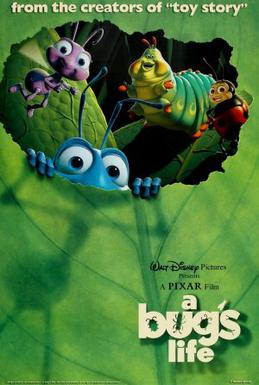
A Bug's Life follows the adventures of Flik, an inventive ant who seeks to save his colony from a bullying gang of grasshoppers by enlisting the help of a group of misfit circus bugs.
Select reading age
A Bug's Life Facts For Kids
Videos & Quizzesincluded
About this topic
"A Bug's Life" is a fun animated movie from Pixar that came out in 1998. It's about a little ant named Flik, who lives in a colorful world full of insects 🐜! Flik wants to help his colony in Ant Island, but his ideas often don't work out. He meets a group of circus bugs who help him fight off greedy grasshoppers led by Hopper. The movie teaches us about teamwork, bravery, and believing in ourselves. It got a lot of love and even won awards! Now, let's explore the fascinating world of insects! 🌍🐞
Explore with ChatDinoKey Points
Here are some common insect species you might know!
Insects play a big role in our ecosystem!
Insects go through an amazing life cycle known as metamorphosis!
Invasive insect species can cause problems in new places.
Insects affect our lives in many ways!
Many myths exist about insects!
Protecting insects is essential for our planet!
Insects are great communicators!
Photos of A Bug's Life

John Lasseter, the director of A Bug's Life, at the Austin Film Festival in October 2011

A Bug's Life crew in the Oval Office
🐞 Common Insect Species
Here are some common insect species you might know! 🐞Ladybugs are bright red with black spots and are great for gardens because they eat pests. 🐝Honeybees are super important for pollinating flowers and making honey! 🐜Ants live in colonies and work together to help each other find food. 🌈Dragonflies are fast fliers found near water, and they eat mosquitoes! Lastly, did you know that butterflies can taste with their feet? Isn't that amazing? 🦋👣
Go deeper🌍 Insects In Ecosystems
Insects play a big role in our ecosystem! 🌍Many insects, like bees and butterflies, help flowers grow by moving pollen around. This is called pollination, and it helps plants produce fruits and seeds! 🍎Some insects are decomposers, like dung beetles, which eat dead plants and animals, helping to keep nature clean. 🍂Other insects, like ladybugs, help keep harmful pests away from crops. This way, insects keep our environment balanced and healthy! 🌳🦗
Go deeper🌱 Life Cycle Of Insects
Insects go through an amazing life cycle known as metamorphosis! 🌱👶 There are four stages: egg, larva, pupa, and adult. First, female insects lay eggs in safe places. Next, the eggs hatch into larvae (like caterpillars) that eat a lot! After that, they enter a pupa stage, where they change inside a cocoon or chrysalis. Finally, they emerge as adults, ready to live and fly! 🚀For example, a butterfly starts as a tiny egg, becomes a caterpillar, turns into a pupa, and then pops out as a beautiful butterfly! 🦋
Go deeper🌍 Invasive Insect Species
Invasive insect species can cause problems in new places. 🌍🚫 These are insects that come from other areas and take over. One example is the Asian tiger mosquito, which is known for spreading diseases! 🦟Another invader is the emerald ash borer, which eats ash trees and has caused lots of trees to die in places like the United States. 🌳These insects can harm our environment and local species. It's essential to protect our ecosystems from invasive pests and understand how to stop them! 🚫🦗
Go deeper🐝 Insects And Human Interaction
Insects affect our lives in many ways! 🐝Honeybees make delicious honey and help farmers grow fruits and vegetables through pollination. 🍏Some insects, like ladybugs, help garden plants stay healthy by eating harmful bugs. 💚However, some insects can cause problems, like mosquitoes spreading illness. That's why we use bug spray and wear long clothes in summer. 🤔It's important to balance our relationship with insects, protecting helpful ones while staying safe from harmful species. Together, we can enjoy nature while looking out for one another! 🌼🦋
Go deeper🐜 Myths And Facts About Insects
Many myths exist about insects! 🐜For example, some people think all insects can sting. 🐝In truth, only certain insects, like bees and wasps, can do that! 🌈Another myth is that all insects are pests. While some harm crops, others are beneficial! Did you know that ants can lift objects 50 times their body weight? Super strong! 💪It's crucial to learn facts about insects to appreciate their importance in nature. Never judge a bug by its cover, as some are heroes of the ecosystem! 🦸♂️🌍
Go deeper🌎 Conservation Of Insect Species
Protecting insects is essential for our planet! 🌎Many insect populations are decreasing because of habitat loss, pollution, and climate change. 🍂To help them, we can create gardens filled with native plants, which provide food and homes for insects. 🌸Reducing pesticide use also helps keep them safe. Join community clean-up days and reduce plastic usage! Every little effort counts. Together, we can ensure that insects thrive for future generations! Let's be eco-friendly heroes and protect our buzzing buddies! 🌱🦋🌍
Go deeper🗣️ Insect Behavior And Communication
Insects are great communicators! 🗣️🐜 Ants use pheromones, which are special scents, to send messages to each other about food and danger. 🐝Honeybees dance in a special way called the "waggle dance" to show other bees where flowers are. 🐞Some insects can even make sounds! Crickets, for example, chirp to attract mates. 🦗Insects also use colors and patterns to warn others. Bright colors can show they are poisonous, while dull colors help them hide from predators. Nature is full of surprises! 🌈✨
Go deeper