1936 Winter Olympics Facts For Kids
The 1936 Winter Olympics, officially called the IV Olympic Winter Games, were a multi-sport event held in Garmisch-Partenkirchen, Germany, showcasing athletes from 28 nations amidst a backdrop of political tension.
Select reading age

1936 Winter Olympics Facts For Kids
Videos & Quizzesincluded
About this topic
The 1936 Winter Olympics, held in Garmisch-Partenkirchen, Germany, were the fourth Olympic Winter Games! 🎉This exciting event took place from February 6 to February 16, 1936. Athletes from all over the world came to compete in various winter sports, like skiing, ice hockey, and figure skating. 🏂⛷️ With thrilling competitions and amazing teamwork, these games brought countries together in a magical winter wonderland. It was a time for fun, sportsmanship, and courage, showing how beautiful the spirit of competition can be! 🌟
Explore with ChatDinoKey Points
At the 1936 Winter Olympics, there were 4 sports and 28 events!
Like any major event, the 1936 Winter Olympics had some controversies.
The 1936 Winter Olympics had a big impact on the world of sports and culture!
Some incredible athletes shone at the 1936 Winter Olympics!
The first Winter Olympics happened in Chamonix, France, in 1924, starting a new tradition of winter sports!
The 1936 Winter Olympics had a total of 28 nations participating, making it a diverse gathering of athletes!
The legacy of the 1936 Winter Olympics lives on!
During the 1936 Winter Olympics, many exciting events captured the world's attention!
Garmisch-Partenkirchen is a charming market town located in Bavaria, Germany.
Photos of 1936 Winter Olympics

Opening Ceremony with Rudolf Hess, IOC president Henri de Baillet-Latour, and Adolf Hitler
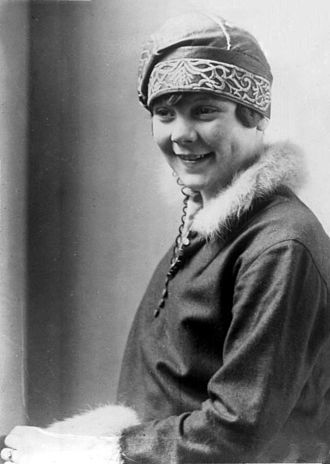
Norwegian figure skater Sonja Henie
🥇 Medal Count
At the 1936 Winter Olympics, there were 4 sports and 28 events! 🥇A total of 45 gold medals were awarded! Germany performed exceptionally well and secured the most medals, bringing home 10 golds, 12 silvers, and 7 bronzes! 🏅The United States followed closely, with 11 medals, including 4 golds. Norway and Austria also showed great skills and received multiple medals! Medals at the Olympics symbolize the hard work, dedication, and incredible achievements of athletes from every nation! 🏆
Go deeper🏴☠️ Controversies
Like any major event, the 1936 Winter Olympics had some controversies. One major issue was related to the political atmosphere in Germany during that time. 🏴☠️ The Olympic Games were used by the Nazi regime for propaganda purposes, which raised concerns among many. Additionally, some athletes faced pressure to compete despite the country's political situation. For example, Jewish athletes found it challenging to participate. These issues remind us of the importance of fair play and inclusion in sports! It’s a lesson for everyone to keep in mind! ⚖️
Go deeper🌍 Cultural Impact
The 1936 Winter Olympics had a big impact on the world of sports and culture! 🌍Many people watched the games on TV and listened to the news on the radio, making it one of the first Olympics to receive such widespread coverage! 📺The event showcased sportsmanship, breaking down barriers and uniting athletes from different countries. It inspired young people to participate in winter sports and promote healthy lifestyles! The games also encouraged the development of skiing and ice sports in various nations! 🥳
Go deeper✨ Notable Athletes
Some incredible athletes shone at the 1936 Winter Olympics! ✨One famous athlete was German skier Franz Pfnür, who earned a medal in the slalom event! Also, American figure skater Sonja Henie dazzled the audience with her graceful performances, winning a gold medal! 🥇🏅 Other remarkable competitors included Swedish hockey player Börje Salming and Austrian skier Gernot Mikhail! These athletes worked hard to achieve their dreams and inspire future generations to chase their sports ambitions! 🌟Their talent made the games unforgettable!
Go deeper❄️ Historical Background
The first Winter Olympics happened in Chamonix, France, in 1924, starting a new tradition of winter sports! ❄️ By 1936, the games were becoming more popular. Garmisch-Partenkirchen was chosen because of its beautiful mountains and snowy landscapes, perfect for winter sports! 🏔️ This was also the first time the Winter Olympics were held in Germany, which made it a special event. Not only did this show off amazing athletic talents, but it also brought attention to winter sports worldwide! 🥇The games were a big deal!
Go deeper🌍 Participating Nations
The 1936 Winter Olympics had a total of 28 nations participating, making it a diverse gathering of athletes! 🌍Countries like Germany, the United States, Canada, France, and Sweden sent their best competitors to show off their skills. The games were an opportunity for these nations to share cultures and ideas through sports! Each country proudly cheered for their athletes as they competed on the icy fields and rinks! 🎉The spirit of friendship and competition was truly represented by everyone involved!
Go deeper🌟 Legacy And Significance
The legacy of the 1936 Winter Olympics lives on! 🌟The games inspired future generations of athletes and sparked interest in winter sports worldwide. Various countries learned about sportsmanship and friendship through this event. Furthermore, it motivated nations to host Olympic events regularly, uniting people through sports. The challenges faced during these games also highlighted the need for better inclusion and respect for all athletes, regardless of their backgrounds. 🕊️ The 1936 Winter Olympics remains a significant milestone in the history of sports! 🏆
Go deeper❄️ Key Events And Highlights
During the 1936 Winter Olympics, many exciting events captured the world's attention! ❄️ Sports like skiing, ice hockey, and figure skating showcased amazing athletes and thrilling performances. One highlight was the men's downhill skiing event, where the first gold medal was awarded! 🥇Also, the popular event, ice hockey, had teams from different nations battling for victory! The games were full of spectacular moments, including heart-stopping finishes and impressive displays of skill, as athletes pushed their limits to win medals for their countries! ⚡🤸
Go deeper🌄 Venue: Garmisch-partenkirchen
Garmisch-Partenkirchen is a charming market town located in Bavaria, Germany. 🌄It's surrounded by stunning Alps mountains, making it a beautiful setting for winter sports! The town has two parts: Garmisch and Partenkirchen, which joined together to host the Olympics. 🏘️ With a population of around 26,000 people, this small town prepared for thousands of visitors during the games. The famous Olympic Ski Stadium and various ice rinks were built to host the competitions! The picturesque scenery adds to the experience of the "Garmisch" Olympics! 🏅
Go deeper