Éric Rohmer Facts For Kids
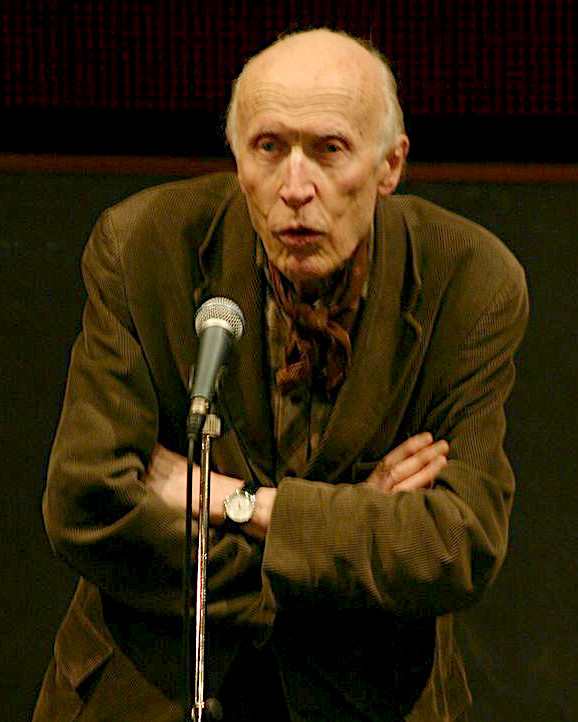
Éric Rohmer was a French filmmaker celebrated for his unique storytelling and artistic films that explore human relationships and moral dilemmas.
Select reading age
Éric Rohmer Facts For Kids
Videos & Quizzesincluded
About this topic
Éric Rohmer was a famous French film director born on March 21, 1920, in Nancy, France. 🎥He is well-known for creating movies that make people think about love, friendship, and life choices. Rohmer liked to tell stories about ordinary people, often in beautiful landscapes like Paris or the French countryside. His films are part of a special group called the French New Wave, which changed how movies were made in the 1960s. 🌍Rohmer passed away on January 11, 2010, but his unique style still inspires many filmmakers today.
Explore with ChatDinoKey Points
Rohmer started his film journey in the 1940s when he began writing and exploring film criticism.
In his later years, Rohmer continued to create beautiful films that showcased his passion for storytelling.
Éric Rohmer received many awards for his incredible films.
Éric Rohmer was born as Jean Marie Maurice Schérer to a family who loved the arts.
Rohmer's films explore themes like love, honesty, and decision-making.
Éric Rohmer's films are unique and often focus on conversations between characters.
Rohmer's unique approach to filmmaking changed how stories were told in cinema.
Some of Rohmer's most famous films include "My Night at Maud's" (1969), "Claire's Knee" (1970), and "The Green Ray" (1986).
Photos of Éric Rohmer

Rohmer's grave in Montparnasse Cemetery
📝 Career Beginnings
Rohmer started his film journey in the 1940s when he began writing and exploring film criticism. 📝In 1950, he took part in making short films and eventually created a feature film called "The Sign of Leo" in 1962. People began to notice his unique storytelling style. Rohmer was part of a group of filmmakers who wanted to create artistic and thought-provoking films. 📺This led to his big break in the French New Wave movement, allowing him to express his ideas on screen.
Go deeper🎞️ Later Years And Legacy
In his later years, Rohmer continued to create beautiful films that showcased his passion for storytelling. 🎞️ He worked until he was almost 90 years old, proving that art and creativity can last a lifetime! Rohmer's legacy endures through his films, which are still loved and studied by film students and enthusiasts everywhere. 🌟His dedication to exploring the complexities of human emotions has made him an iconic figure in cinema, and his influence will be felt for many more years to come!
Go deeper🏆 Awards And Recognitions
Éric Rohmer received many awards for his incredible films. 🏆In 1987, he won the prestigious Silver Bear at the Berlin International Film Festival for "The Green Ray." He was also nominated for an Academy Award for Best Foreign Language Film for "The Romance of Astrea and Celadon" in 2008. 🌍His films receive praise worldwide, showing just how important he was in the world of cinema and how much people love his unique vision.
Go deeper🎨 Early Life And Education
Éric Rohmer was born as Jean Marie Maurice Schérer to a family who loved the arts. 🎨He studied history and literature at the University of Nancy. Later, he moved to Paris to join the world of film. Rohmer loved reading, and he was influenced by writers like Madame de Lafayette! 📚He even enjoyed working as a teacher for a while. His fascination with storytelling and strong imagination helped him develop his own voice in filmmaking. This background set the stage for his exciting career.
Go deeper❤️ Themes In Rohmer's Films
Rohmer's films explore themes like love, honesty, and decision-making. ❤️ His characters often face difficult choices and ethical dilemmas. For example, in "My Night at Maud's," the main character struggles between love and friendship. Rohmer also loved nature, and many of his films show the beauty of the outdoors, connecting life with the environment. 🌳His stories urge viewers to think deeply about their choices while encouraging them to appreciate everyday life.
Go deeper🗣️ Film Style And Techniques
Éric Rohmer's films are unique and often focus on conversations between characters. 🗣️ He loved using natural light and filming in real locations, making the stories feel more genuine. Rohmer often chose talented actors who improvised their lines, helping the conversations flow naturally. 🌞His stories also used little to no background music, letting viewers immerse themselves in the characters' lives. With simple storytelling but deep meanings, Rohmer created films that challenged audiences to think.
Go deeper🎬 Influence On Film And Culture
Rohmer's unique approach to filmmaking changed how stories were told in cinema. 🎬He influenced many filmmakers, including famous directors like Richard Linklater and Jim Jarmusch. His focus on everyday life and realistic conversations made people rethink what movies could be. Rohmer's films encourage filmmakers to explore deeper human emotions instead of just action or special effects. 🌟Even today, many modern films carry echoes of his creativity and style.
Go deeper🌟 Major Works And Contributions
Some of Rohmer's most famous films include "My Night at Maud's" (1969), "Claire's Knee" (1970), and "The Green Ray" (1986). 🌟His movies are part of the "Six Moral Tales" series, which explores love, desire, and friendship. Rohmer was also a skilled writer and contributed to magazines like "Cahiers du Cinéma," where he shared his thoughts on films. 📖His work has inspired many filmmakers and created a lasting impact on cinema around the world.
Go deeper