The electromagnetic spectrum is the range of all types of electromagnetic radiation, distinguished by wavelength and frequency, which includes waves from radio to gamma rays.
The electromagnetic spectrum is like a rainbow of different kinds of light that we can't always see! πIt includes radio waves, microwaves, infrared light, visible light, ultraviolet light, X-rays, and gamma rays. These waves travel through space and help us in many ways. For example, radio waves let us listen to music on the radio π», while X-rays help doctors look at our bones π¦΄. Each type of wave has its own special "job," making the electromagnetic spectrum super important for our lives!
Plot of Earth's atmospheric opacity to various wavelengths of electromagnetic radiation. This is the surface-to-space opacity, the atmosphere is transparent to longwave radio transmissions within the troposphere but opaque to space due to the ionosphere.
Plot of atmospheric opacity for terrestrial to terrestrial transmission showing the molecules responsible for some of the resonances
sRGB rendering of the spectrum of visible light
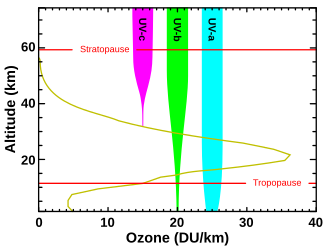
The amount of penetration of UV relative to altitude in Earth's ozone
π History Of Electromagnetic Spectrum
The discovery of electromagnetic waves happened in the late 1800s. πA scientist named James Clerk Maxwell showed that light is made of waves. In 1887, Heinrich Hertz was the first to create and detect radio waves, proving that they exist! π‘Later on, scientists like Albert Einstein added to our understanding of light. By the 20th century, inventors created many devices that used these waves. So, the journey of understanding the electromagnetic spectrum has been full of exciting discoveries by clever people from around the world! π
Electromagnetic waves are used in many cool things! πFor example, we use radio waves for broadcasting music and news on the radio. π»Microwaves are important not just for heating food but also for satellite communications! πInfrared waves are used in TV remotes! ποΈ In hospitals, X-rays help doctors see if bones are broken. Lastly, gamma rays are used in medicine to treat cancer. All these applications show how important electromagnetic waves are in our everyday lives! π
Here are some fun facts about electromagnetic waves! π 1. Did you know that light from the sun takes about 8 minutes to reach Earth? π 2. GPS systems use radio waves to help us find directions! πΊοΈ 3. Microwaves are also used in some types of Wi-Fi! πΆ 4. Cats can see a bit of ultraviolet light, which we can't see! π± 5. The fastest thing in the universe is light! π These fun facts show just how remarkable electromagnetic waves really are! πβ¨
The future of electromagnetic technology is bright! π‘Scientists are always looking for ways to improve communication, health, and even power sources using electromagnetic waves. Future innovations might include faster internet using advanced radio waves or better medical imaging using X-rays! π‘Imagine using microwaves to instantly charge your gadgets! πScientists are working on ways to harness solar power more effectively using electromagnetic radiation from the sun. With so much study and innovation, the possibilities are endless! πSo, we can look forward to a fascinating future!
We encounter the electromagnetic spectrum every day! βοΈ When you flip on a light switch, youβre using visible light. When you warm your lunch in the microwave π, thatβs microwaves doing their magic! When you get an X-ray at the doctorβs office, thatβs all about X-rays helping to see your bones. πΈEven when you listen to music or watch TV, youβre using radio waves and infrared waves. So, the electromagnetic spectrum is all around us, helping us in ways we might not even notice! π
β οΈ Health Effects Of Electromagnetic Radiation
Most electromagnetic waves are safe, but some can be harmful! β οΈ For example, ultraviolet (UV) light π₯ from the sun can cause sunburn and skin cancer. Thatβs why wearing sunscreen and hats when outside is so important! βοΈ Scientists study these effects carefully to keep us safe. X-rays are also closely monitored in hospitals, as too many can be risky. πΈHowever, the everyday electromagnetic waves, like visible light and radio waves, are generally safe and very useful! So we just have to be careful with the stronger ones! π
Electromagnetic radiation is made up of waves that travel through space! πThese waves are created by moving electric charges, like electrons. π‘They can travel at the speed of light, which is about 186,282 miles per second! πββοΈ The waves have different lengths, called wavelengths, and all waves travel at the same speed but have different energies. The shorter the wavelength, like gamma rays, the more energy the wave has! β‘Scientists use math to study these waves and design all the things we use every day, making life a little easier! π
π The Electromagnetic Spectrum And Its Components
The electromagnetic spectrum has different parts, which we call components. πThese include: 1. Radio Waves: Used for communication, like radios and mobile phones. 2. Microwaves: Used in microwave ovens to heat food! π 3. Infrared Waves: Felt as heat, like when you sit in the sun. βοΈ 4. Visible Light: This is the part we can see, and it includes all the colors of the rainbow! π 5. Ultraviolet Light: This helps our bodies make Vitamin D but can also give us sunburns! 6. X-rays: Used by doctors to see inside our bodies. 7. Gamma Rays: The most energetic waves, used in cancer treatment! π‘οΈ