Digit Facts For Kids
A digit is one of the most distal parts of a limb, like fingers or toes, that help in grasping, walking, and balancing in many vertebrates.
Select reading age
Digit Facts For Kids
Videos & Quizzesincluded
About this topic
Did you know that digits are the parts of our limbs that help us grab things? 🖐️ Fingers and toes are examples of digits! Humans have ten digits altogether: five on each hand and five on each foot. Digits help us walk, run, climb, and even play video games! 🎮Animals like cats and dogs also have digits, and some animals, like birds, have toes that help them grip branches. Whether they are long or short, digits are super important for movement and daily activities. So, next time you look at your hands or feet, remember how special your digits are!
Explore with ChatDinoKey Points
Digits are also known as fingers or toes, and they have special parts!
Digits are super helpful!
Digits play a significant role in culture around the world!
Digets begin forming even before we are born!
Digits have an interesting evolution story!
Did you know that not all animals have the same kind of digits?
Sometimes, digits can have differences that make them special!
Humans have evolved to have really useful digits.
Scientists are always discovering more about digits!
Digits also look different in land and aquatic animals!
Photos of Digit

Radiogram of a polydactyl left hand.

Mikhail Tal at the 1961 European chess championship.

A reconstruction of Panderichthys.
🦶 Anatomy Of Digits
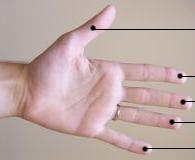
Digits are also known as fingers or toes, and they have special parts! Each digit usually has three bones called phalanges, except for the thumb and big toe, which have two. 🦶The bones are connected to muscles that help us move our digits. Skin covers our digits, and we have nails at the tip to protect them! 💅In humans, each hand has four fingers and one thumb, making it easier to grab things tightly. Did you know that some animals like frogs have webbed digits to help them swim better? 🌊Digits come in different shapes, but they always help us do cool things!
Go deeper👋 Function And Purpose Of Digits
Digits are super helpful! 👋They let us do everyday tasks like writing, eating, and even playing sports! 🏀Our fingers help us hold things, while our toes keep us balanced when we walk or run. Also, fingers can grip surfaces, allowing us to climb trees or build with blocks! Animals use their digits too. For instance, birds use their toes to hold onto tree branches, while monkeys use their hands to swing in trees. Different digits serve different purposes, but they all help living creatures interact with their world in unique ways!
Go deeper🌎 Cultural Significance Of Digits
Digits play a significant role in culture around the world! 🌎For example, in many cultures, people use their fingers to count or signal important things. In some religions, the hand is a symbol of blessing and protection. 🖐️ The "peace sign" made with two fingers represents hope! Even in art, digits are used to express feelings: a thumbs-up means "good job!" 👍 In history, some native tribes would paint their fingers for special ceremonies. 🎨Digits mean more than just body parts; they connect us to our traditions and unique ways of communicating!
Go deeper👶 Development Of Digits In Embryos
Digets begin forming even before we are born! 👶In the womb, tiny parts called buds grow into fingers and toes. This happens in a process called embryonic development. Doctors can see these tiny digits in ultrasound pictures! Prior to this, the hand is just a lump, but as the baby grows, the skin and tissue form into beautiful fingers and toes! 🦶This process happens around week 8 of pregnancy. Perfect digits help babies grasp their parents' fingers after birth. Isn’t it amazing how we start with tiny bumps and end up with useful digits? 🤗
Go deeper🦴 Evolution Of Digits In Vertebrates
Digits have an interesting evolution story! 🦴Millions of years ago, fish didn't have digits. They had fins for swimming. As some fish crawled onto land, they evolved into animals called tetrapods, which had digits! These digits helped them walk better on land. Over time, different creatures developed different types of digits based on their habitats. For example, horses have hoof-like digits for running, while elephants have big toes for supporting their heavy bodies! The digits we see today help us understand how life evolved from water to land. Isn’t that cool? 🌍
Go deeper🐾 Variations Of Digits Across Species
Did you know that not all animals have the same kind of digits? 🐾Dogs have four toes on each foot, while cats have five! Some animals, like kangaroos, have long, strong toes that help them jump high! 🦘Bats have unique digits that are long and flexible so they can spread their wings. Even insects have "digits" called appendages that help them crawl or fly. 🦋Some animals, like dolphins, have flippers instead of fingers or toes, but they still help them swim! Each species has digits designed to help them survive in their own special way.
Go deeper🦸♂️ Digital Abnormalities And Conditions
Sometimes, digits can have differences that make them special! 🦸♂️ Some people are born with extra digits, a condition called polydactyly! This means they might have six fingers or toes! While this can be a little surprising, many people with extra digits use them perfectly! 🎉On the other hand, some conditions can create shorter or missing digits, known as syndactyly. In this case, two or more fingers or toes might be connected. 💞Doctors can help with surgeries to separate them if needed. Every digit is unique, and these differences make us who we are!
Go deeper👩🔬 Digits In Human Anatomy And Evolution
Humans have evolved to have really useful digits. 👩🔬 Our thumbs are special because they can touch all the other fingers! This ability helps us grip things tightly and be more skillful with our hands. 👐Unlike many animals, we can make tools and write, thanks to our strong and flexible digits! Did you know that early humans used simple digits to create stone tools over 2 million years ago? 🗡️ Our digits helped us hunt, gather, and build. Evolution has made our fingers and toes important for daily life and survival in the world!
Go deeper🔬 Future Research On Digits And Limb Functions
Scientists are always discovering more about digits! 🔬They study how digits function to improve prosthetics for people without fingers or toes. Prosthetics are special devices that help those people use their limbs! 🦾Researchers are also investigating how animals use their digits to improve robot design. Some robots mimic animal movements! 🤖In the future, we may learn even more about how digits can help solve problems or enhance human abilities. Digits are not just fun to study; they play an important role in our world!
Go deeper🌊 Comparative Anatomy: Digits In Land Vs. Aquatic Animals
Digits also look different in land and aquatic animals! 🌊Land animals, like dogs and bears, have flatter digits with pads that help them walk on solid ground. 🦮Aquatic animals, like whales and seals, have flippers without individual digits! Their bones changed shape for swimming. 🐬Fish have fins instead of digits, which are amazing for gliding through water. All these differences help animals thrive in their environments, whether on land or underwater. Studying how digits work helps us understand how animals adapt and survive!
Go deeper