Foot Facts For Kids
The foot is the part at the end of a leg that helps you stand, walk, run, and jump, keeping balance and movement easy.
About this topic
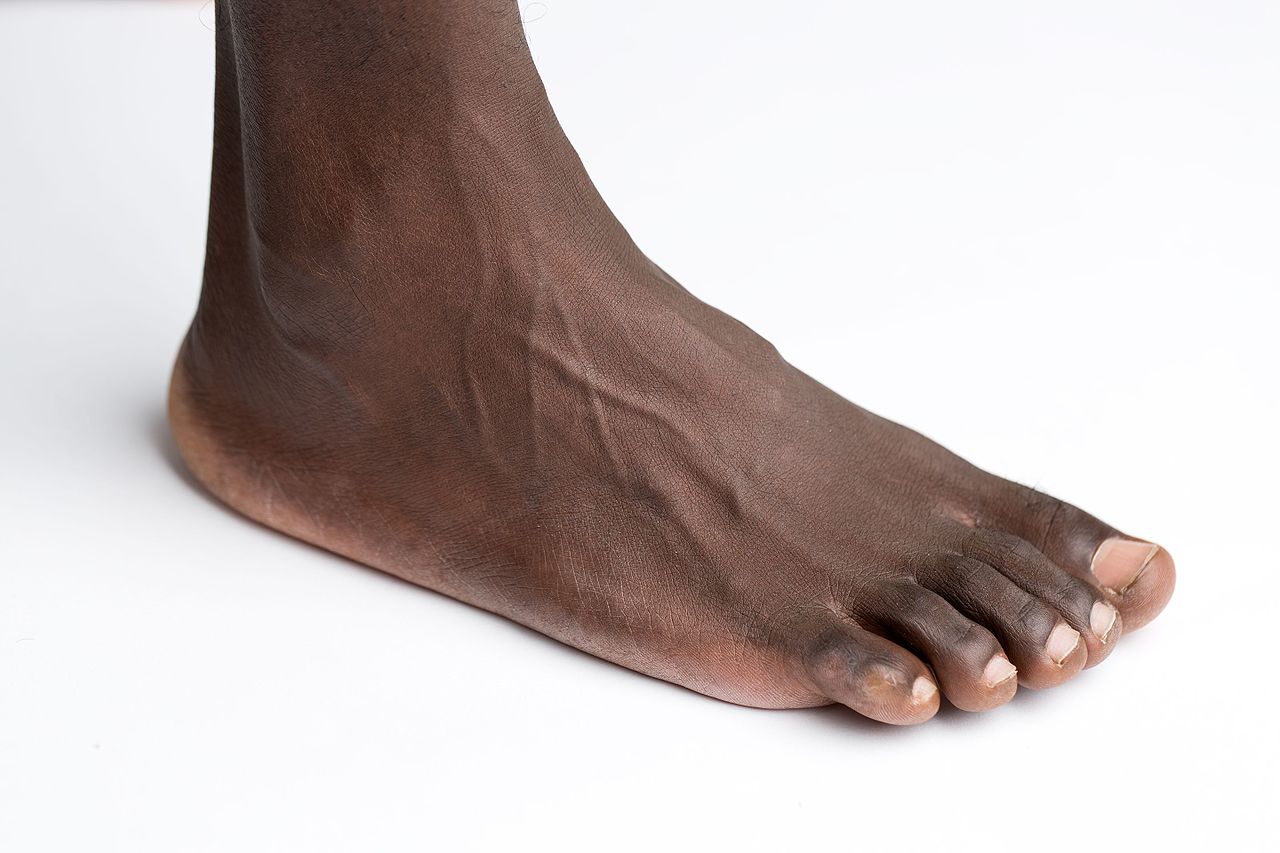
A human foot has several parts you can see: the heel at the back, the sole underneath, and the toes at the front. Inside, the foot hides bones, arches, muscles, and soft parts that work together so each step is steady and springy.
Quick Facts
Key Points
Photos of Foot

The feet of a newborn infant

📘 Inside The Foot: Bones
In front of the tarsus are five long metatarsal bones. The toes contain 14 smaller bones called phalanges. Some feet also have tiny sesamoid bones near the big toe that help with movement and protect tendons.
🔎 Foot Arches
These arches are shaped by bone arrangement and are held up by ligaments and muscles. They absorb shock, save energy when you walk or run, and slightly change shape under weight. If the arches lose their shape, the foot can become flatter and feel less springy.
🧭 Small Muscles Inside The Foot
Under the foot (the sole) the muscles come in three groups. The big-toe group helps move and support the first toe and the arch. The little-toe group helps the outer edge and moves the smallest toe. The central group (including muscles named lumbricals, quadratus plantae, flexor digitorum brevis, and the interossei) bends the toes and helps keep the arch steady.
💡 Pronation (how The Foot Rolls)
Sometimes the roll is too much or too little. Overpronation means the foot rolls too far inward, which can make the arch flatten and the knee move inward. Underpronation (also called supination) means the foot doesn’t roll enough, so the foot stays stiff and the outside edge takes more weight. Shoe wear patterns and how your knees line up often show which kind you have.
🌟 Why Foot Problems Matter
Good foot alignment helps the whole body. Shoes that are too high or too tight can change how you stand and walk. For comfort and posture, many experts suggest low, flat soles that let the foot move naturally and a doctor’s visit when pain or trouble walking starts.
🧩 Other Animals' Feet
Bones such as the metatarsals are shaped and placed differently in animals to match their walking style. Veterinarians treat animal foot problems, and the shape of the foot helps decide how an animal runs, jumps, or stands.
🗺️ Feet In Society And Culture
Scientists and artists also study foot types using words like plantigrade, digitigrade, and unguligrade to explain movement. The number and shape of metatarsal bones help tell why some animals sprint, some hop, and some carry heavy loads. Feet are useful in many parts of life, from sports to stories.
🔬 Where The Word 'foot' Comes From
Many sayings and words grew from “foot.” Idioms are phrases that mean more than the words alone. For example, “best foot forward” means try your best, while “put your foot in your mouth” means say something embarrassing. Some words changed their meaning over time: “footloose” showed up in the late 1600s and took on a more figurative sense by the 1800s, and “flat‑footed” moved from a literal idea to a figurative one by the early 1900s.
🧠 Take the Quiz about Foot
Frequently asked questions
What is the foot and what does it help us do?
The foot is the part at the end of a leg that touches the ground and helps animals stand, walk, run, and jump. People and many other vertebrates have feet made for carrying weight, balancing, and moving from place to place.
What are the main bone groups in the foot?
The leg ends in the tibia and fibula at the ankle. The back part of the foot is the tarsus with seven bones (talus, calcaneus, navicular, cuboid, and three cuneiforms). In front are five metatarsal bones, the toes have 14 phalanges, and some feet have tiny sesamoid bones near the big toe.
How many arches does the foot have and what are they for?
The foot has three arches: a higher medial arch along the inside, a lower lateral arch along the outside, and a transverse arch across the middle. These arches are kept up by ligaments and muscles and act like a spring to absorb shock and save energy. If the arches lose their shape, the foot can become flatter and feel less springy.
What are intrinsic muscles of the foot and where are they?
Intrinsic muscles start and end inside the foot. On the top of the foot, extensor digitorum brevis and extensor hallucis brevis lift the toes; under the sole the muscles form three groups that move the toes and help keep the arch steady.
What is pronation in walking?
Pronation is the way your foot rolls inward a little when you step down. In a healthy walk, the outside of the heel touches first and the foot rolls gently so weight spreads across the middle and the knee moves straight over the big toe. Overpronation means the foot rolls too far inward, while underpronation means it doesn’t roll enough.
Why do foot problems matter?
Foot problems can come from infections, injuries, or how bones and muscles grow. Shoes that are too high or too tight can change how you stand and walk, so many experts suggest low, flat soles and a doctor if pain starts.