Atlantic Herring Facts For Kids
Atlantic herring are small, schooling fish found in the North Atlantic Ocean, known for their silvery bodies and ecological importance.
Select reading age
Atlantic Herring Facts For Kids
Videos & Quizzesincluded
About this topic
The Atlantic herring is a small fish found in the cool waters of the North Atlantic Ocean 🌊. These shiny, blue-green fish are usually about 12-16 inches long, but they can grow up to 15 inches! They swim in huge schools, which helps protect them from predators like seals 🦭 and larger fish. Atlantic herring are really important fish for both the ecosystem and humans. They have a fascinating life and play a big role in maritime culture, especially in places like Norway and Canada, where they have been fished for centuries! 🎣
Explore with ChatDinoKey Points
Atlantic herring have a streamlined body, which helps them swim fast.
Right now, the Atlantic herring is considered to be a species of concern!
Atlantic herring are woven into the history and culture of many coastal communities 🌊.
Atlantic herring are super important for the ocean ecosystem!
Atlantic herring have a special time for reproduction!
Atlantic herring love to eat tiny ocean creatures called plankton, which are small drifting organisms!
Atlantic herring are found in the North Atlantic Ocean 🌍.
Atlantic herring are not just interesting; they are also very important for people!
Photos of Atlantic Herring

Atlantic herring distribution graph uwe kils gfdl self

Clupea harengus in a barrel

Atlantic Herring — photo 3

Baltic herring from Poland

School of herring ram feeding close to the surface
![Global capture production of Atlantic herring (Clupea harengus) in million tonnes from 1950 to 2022, as reported by the FAO[10]](https://upload.wikimedia.org/wikipedia/commons/thumb/b/b0/Atlantic_herring%2C_capture_production%2C_million_tonnes%2C_1950-2022.svg/960px-Atlantic_herring%2C_capture_production%2C_million_tonnes%2C_1950-2022.svg.png)
Global capture production of Atlantic herring (Clupea harengus) in million tonnes from 1950 to 2022, as reported by the FAO[10]

Atlantic Herring — photo 7

Atlantic Herring — photo 8

Atlantic Herring — photo 9
🌟 Biology And Anatomy
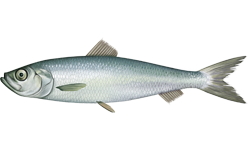
Atlantic herring have a streamlined body, which helps them swim fast. They are covered in shiny, silver scales, making them look super pretty! 🌟They have a small mouth and sharp, pointed teeth. Their eyes are quite big, giving them great vision underwater. Atlantic herring have a unique organ called a swim bladder, which helps them float at different depths. These fish also have a lateral line, which helps them feel movements in the water, keeping them safe from danger. This combination of features helps them survive and thrive in their ocean habitat! 🐟
Go deeper⚠️ Conservation Status
Right now, the Atlantic herring is considered to be a species of concern! ⚠️ While they are not endangered, their populations can fluctuate due to overfishing and climate change. Measures are being taken to manage fishing quotas and restore their populations. Organizations and governments are working together to ensure herring remain abundant for future generations. Protecting their habitats and monitoring their populations are crucial steps in conserving this vital fish species. 🌿Remember, every effort to protect marine life helps our ocean thrive! 🌊
Go deeper🌊 Cultural Significance
Atlantic herring are woven into the history and culture of many coastal communities 🌊. In Norway, they are enjoyed during festivals, and in Canada, people celebrate herring fishery traditions with events like herring fishing competitions! 🎉Many cultures have traditional recipes, like pickled herring, which is a popular dish in places like Eastern Europe. This fish has been a source of joy, sustenance, and even art! 🎨Understanding and preserving the cultural significance of Atlantic herring helps us appreciate the ocean's treasures. Let's keep the spirit of these fascinating fish alive! 🐟
Go deeper🌐 Ecological Importance
Atlantic herring are super important for the ocean ecosystem! 🌐They are a key food source for lots of larger animals, like seabirds, seals, and even whales! 🐋By eating plankton, they help control plankton populations, and their presence supports a healthy marine environment. When herring schools swim together, they also help maintain balance in the ocean by providing food for various marine species. Their role in the food chain shows just how interconnected ocean life can be and why protecting them is vital for healthy oceans! 🌊
Go deeper🐠 Reproductive Behavior
Atlantic herring have a special time for reproduction! 🐠During the spring and summer, they gather in large groups to lay their eggs, often choosing shallow waters near the coast 🌊. The female herring can lay up to 50,000 eggs at once, sticking them to rocks and seaweed! After about two weeks, the eggs hatch into tiny fish called larvae. These larvae feed on plankton and grow quickly. Once they reach adulthood, they return to the same areas to spawn. This amazing cycle continues every year, helping herring populations stay strong! 🌱
Go deeper🌊 Diet And Feeding Habits
Atlantic herring love to eat tiny ocean creatures called plankton, which are small drifting organisms! 🌊They mainly feed on copepods and krill, which are found in abundance in their ocean habitat. Herring feed by swimming with their mouths open, filtering food from the water. They often gather in large groups to eat, making it easier for them to find food. 🥄These fish play an important role in the ocean food chain, providing sustenance for larger predators like tuna and sharks. Their feeding habits help keep the ocean's ecosystem balanced! ⚖️
Go deeper🌍 Habitat And Distribution
Atlantic herring are found in the North Atlantic Ocean 🌍. They live near the surface of the ocean, close to the coast and estuaries. You can find them in regions like the Gulf of Maine, Iceland, and Norway. These fish are most common in colder waters, where they breed in the spring and summer months. Atlantic herring prefer areas with plankton-rich waters, as this is their favorite food. Because they travel in large schools, they can be spotted in great numbers, swirling through the ocean like a shimmering silver cloud! ☁️
Go deeper🎣 Fishing And Economic Impact
Atlantic herring are not just interesting; they are also very important for people! 🎣Many countries, like Norway, Canada, and the United States, rely on herring fishing as a source of income. Fishermen catch millions of pounds of herring each year for food, fish oil, and bait. Herring is a popular part of many traditional dishes, and it can be preserved in different ways, including pickling! 🥒This fish supports thousands of jobs and is a big part of the economy in coastal communities, making it an essential catch! 💰
Go deeper