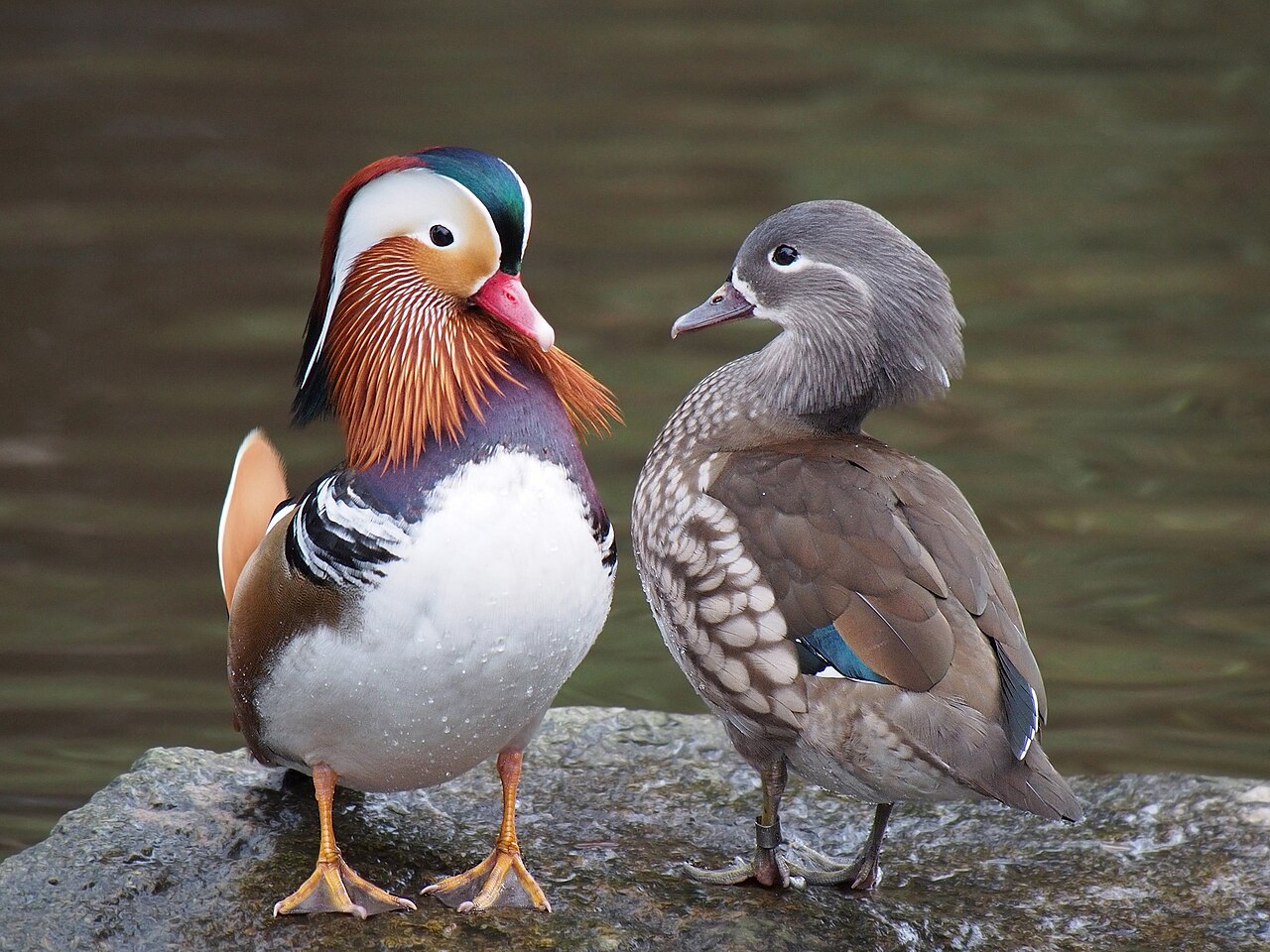
Sexual dimorphism is the condition where sexes of the same species exhibit different morphological characteristics, including characteristics not directly involved in reproduction.
Set reading age
View for Kids
Easy to read and understand
View for Students
Clear, detailed explanations
View for Scholars
Deep dives and big ideas
Sexual dimorphism is a big word that means boys and girls of the same animal or plant species can look different! 🌍For example, male peacocks have bright, colorful feathers, while female peacocks have more plain feathers. This difference helps the boys attract friends because they look flashy! These differences can include size, color, or body shape. Animals, plants, and even humans display sexual dimorphism! 🌟It helps us understand how different species survive and reproduce in their environments. Let's take a closer look at the types, examples, and reasons behind this fascinating concept!
Plants can also show sexual dimorphism! 🌼Some flowers are brightly colored to attract insects. For example, male holly plants have beautiful red berries, while female holly plants are less colorful but bear the berries! 🍓This distinction helps the pollinators quickly find food. Additionally, some plants, like marijuana, have dramatically different flower shapes and sizes depending on whether they are male or female. 🌱The differences help the plants stay healthy and create seeds. Learning about plants can help us understand how life works on Earth! 🌏
Scientists are always curious about sexual dimorphism and are now studying how it might change with future environments! 🔬They are looking at how climate change, habitat loss, and pollution could affect the traits of different species. 🦏Researchers want to know if animals will develop new colors, sizes, or behaviors to adapt! Studying the genetics of sexual dimorphism is also important to understand how inherited traits pass through generations! 🧬This research will help protect endangered species and keep our ecosystems balanced for a healthy planet! 🌏
There are two main types of sexual dimorphism: size dimorphism and color dimorphism. 📏Size dimorphism means that one sex is larger than the other. For example, in many species of birds, like eagles, females are bigger than males! 🌲Color dimorphism refers to differences in color between males and females. An excellent example is the bright red male cardinal compared to the brown female! 🎨Sometimes dimorphism can be more complex, involving specific body parts like antlers in male deer, which they use to attract a mate! 🦌These distinctions are all about helping each sex succeed in nature.
In humans, sexual dimorphism shows in many ways! 👩🦰 Girls and boys have different body structures. For instance, boys are usually taller than girls and often have more muscle! 🏋️♂️ Girls generally have wider hips. Apart from body structure, voice differences also exist! Boys tend to have deeper voices than girls. 🙉These differences are influenced by genetics, hormones, and evolution over many years. While we can look different, it's important to remember that everyone is unique and valuable in their own way! ❤️
Many animals show sexual dimorphism! 🦋For example, in lions, male lions have a thick, fluffy mane, while females don’t! This helps everyone know who is strong and ready to protect the pride! 🦁Other animals, like the eastern bluebird, have bright blue males to attract mates, but the females are more brown for camouflage. 🕊Some insects, like spiders, are very dimorphic! The female black widow spider is larger and often eats the male after mating! 🍂This might sound scary, but it's their way of surviving in the wild! Nature is full of surprises!
The environment where an animal or plant lives can greatly affect sexual dimorphism! 🌳For example, in colder climates, larger animals are more common because they can better retain heat. ❄️ In hotter places, you may find brightly colored birds, attracting mates or warning predators. 🦜Factors like food availability, temperature, and even social structures all play a role. That means climate change can affect how species evolve! As our world changes, scientists study these effects to understand how plants and animals will adapt! 🔍
Sexual dimorphism happens because of genetics and hormones! 🧬When an animal or plant is born, its DNA tells its body how to grow and what it should look like. Males and females often respond differently to hormones, which can change their size or color during their development. For example, male frogs can change color during mating season to attract females! 🎤These mechanisms help increase chances of finding a mate and passing on their unique traits. Understanding how genetics and hormones work helps scientists learn more about how different species survive!
Sexual dimorphism is often the result of both sexual selection and natural selection! 🌺Natural selection helps species survive by selecting traits that help in the wild, like speed or camouflage. Meanwhile, sexual selection focuses on traits that help attract mates! ❤️ This is why males often have bright colors or larger sizes to impress females! For example, a faster male might win more races and get the chance to mate more often. 🏃♂️ Understanding both types of selection helps us know why certain traits exist in nature!
Sexual dimorphism provides many advantages in nature! 🌿It can help one sex attract mates more easily. For example, bright colors in male birds attract female birds, ensuring their genes get passed on. 👩❤️👨 In some species, larger males might fend off rivals, making it easier for them to mate. In nature, these advantages can improve survival chances and create stronger offspring! 💪In every environment, having different traits can help species adapt better and thrive. That's why sexual dimorphism is so crucial to the circle of life! 🌱


DIY is a creative community where kids draw, build, explore ideas, and share.
No credit card required