Holmium Facts For Kids
Holmium is a rare earth metal distinguished by its unique magnetic properties and applications in lasers and nuclear technology.
Select reading age
Holmium Facts For Kids
Videos & Quizzesincluded
About this topic
Holmium is a special metal that is part of a group called lanthanides! 🌟It has the chemical symbol Ho and the atomic number 67. Holmium is found on the periodic table, which is like a big chart for all elements. It is a silvery-white metal that is quite rare on Earth. Holmium is used in making powerful magnets, lasers, and even in some types of nuclear reactors! It was discovered in 1878 by a scientist named Jacques-Louis Soret in Sweden. Holmium helps us in technology, medicine, and research every day! 🧪
Explore with ChatDinoKey Points
Did you know holmium is the 50th most abundant element on Earth?
The journey of holmium began in 1878 when a Swedish chemist named Lars Fredrik Nilson discovered it.
Holmium is a fascinating element!
Holmium has several types called isotopes, and these differ by their neutrons and stability.
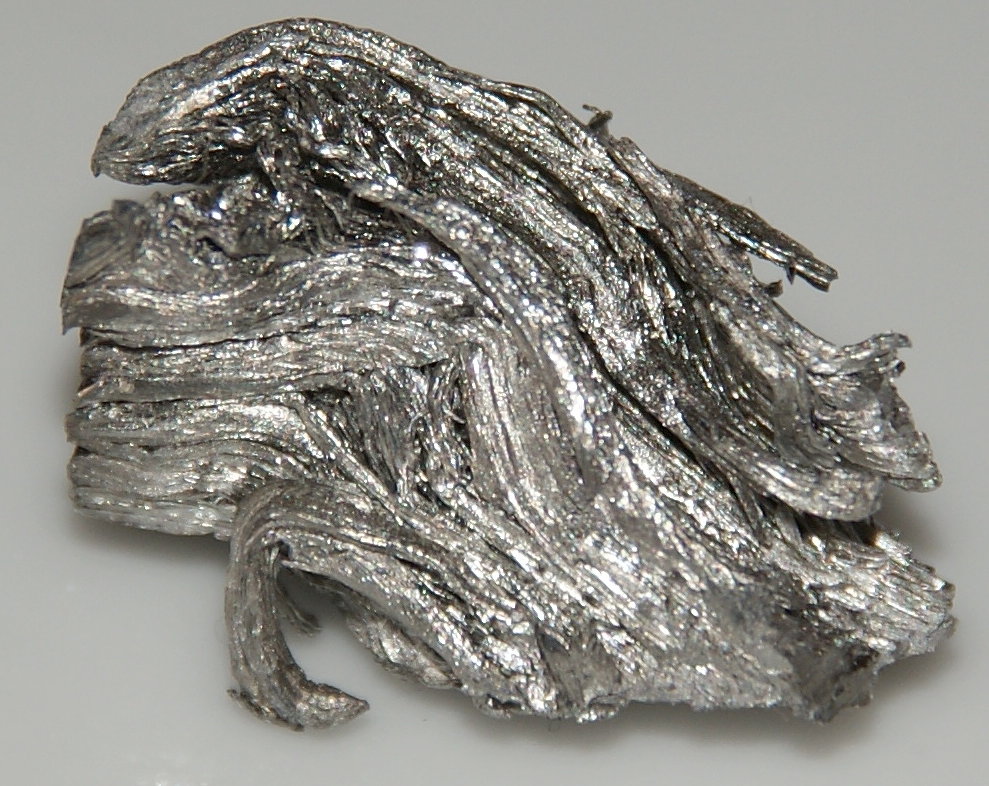
Holmium is a shiny, silvery-white metal!
Although holmium is generally safe, we should always be careful when handling it!
Holmium has many exciting uses!
Holmium is a rare metal!
Photos of Holmium

Ho2O3, left: natural light, right: under a cold-cathode fluorescent lamp

A specimen of gadolinite

A solution of 4% holmium oxide in 10% perchloric acid, permanently fused into a quartz cuvette as an optical calibration standard
🌍 Interesting Facts
Did you know holmium is the 50th most abundant element on Earth? 🌍This makes it a pretty rare treasure! Also, one of the most exciting things about holmium is its strong magnetic properties, making it a vital component in high-tech tools! It can produce a bright green glow when in the right compounds, helping scientists see its presence easily. 🌈Plus, holmium got its name from Stockholm, Sweden – a fun fact that connects science to geography! Holmium is a fantastic metal with a bright future in technology and medicine! 🌟
Go deeper🌍 History Of Holmium
The journey of holmium began in 1878 when a Swedish chemist named Lars Fredrik Nilson discovered it. 🌍He named it after the Latin word for Stockholm, "Holmia," where he lived. Before that, many minerals contained holmium, but nobody knew it was there! In the early 1900s, scientists learned more about holmium and how to use it. I is famous for its distinctive color when exposed to other elements. It is now mostly mined in places like China and the USA, helping scientists and manufacturers create new technologies!
Go deeper🔬 Chemical Properties
Holmium is a fascinating element! 🔬Its atomic number is 67, and it belongs to the group of rare earth elements. One fun fact about holmium is that it can react with water and acids. It is less reactive than some metals, but it still can create compounds like holmium oxide! 🌈Holmium usually forms colorful salts and is known for its bright green and yellow colors when excited. In the world of chemistry, it is sometimes used as a strong oxidizing agent, meaning it helps other elements change by gaining oxygen or losing hydrogen!
Go deeper🔬 Isotopes Of Holmium
Holmium has several types called isotopes, and these differ by their neutrons and stability. 🔬The most common isotope is Holmium-165, which is stable and makes up about 100% of all holmium found in nature. Isotopes are like siblings; they look similar but have different characteristics! While Holmium-165 is stable, some other isotopes are radioactive. Radioactive isotopes can change over time, releasing energy, which is useful in research and medicine but needs careful handling. Scientists use these isotopes for experiments and studying properties of the element! 🧪
Go deeper✨ Physical Properties
Holmium is a shiny, silvery-white metal! ✨It is quite soft, which means you can scratch it easily, and it has a melting point of 1,474 °C (2,687 °F) and a boiling point of 2,545 °C (4,613 °F). It has a density of 8.79 grams per cubic centimeter, making it heavier than water. When you look closely, holmium has a bright, shiny appearance! It is magnetic, meaning it can attract certain metals, making it special for some electronic devices. This connectivity helps scientists explore and experiment with its unique properties! ⚛️
Go deeper⚠️ Safety And Handling
Although holmium is generally safe, we should always be careful when handling it! ⚠️ Just like with any other metal, wear gloves and goggles to protect yourself. If holmium dust gets into your eyes, it can cause irritation, so it's important to take precautions. It's also good to keep holmium away from acids and strong oxidizers when working with it, as it may react. 💧When stored, keep holmium in a dry and clean place to prevent any unwanted reactions that could lead to hazards. Safety is key in science! 👩🔬✨
Go deeper🌟 Applications Of Holmium
Holmium has many exciting uses! 🌟It is mainly used in powerful magnets, especially in electric motors, generators, and magnetic resonance imaging (MRI) machines in hospitals, helping doctors see inside our bodies without surgery. Additionally, holmium is used to make lasers for cutting materials and treating medical conditions. Such lasers can target small areas effectively! 🎯You can also find holmium in some types of glass and ceramics, adding strength and vibrant colors. Holmium is a little helper that makes various technologies better every day!
Go deeper🌌 Occurrence And Extraction
Holmium is a rare metal! 🌌It usually occurs in minerals called monazite and bastnasite. Around the world, it's mostly mined in China, the USA, and Australia. The extraction process involves separating holmium from other elements using acids and heat. This takes time and patience, as there are not many places where we can find holmium. Most of the world's holmium supply comes from these mines, making it an important material for technology today. It is essential to use these resources wisely for future discoveries! ⛏️
Go deeper