Ascomycota Facts For Kids
Ascomycota is a diverse phylum of fungi known for their spore-producing structure called an "ascus," and they play essential roles in ecosystems, food production, and medicine.
Select reading age

Ascomycota Facts For Kids
Videos & Quizzesincluded
About this topic
Ascomycota, also known as sac fungi, is a big group of fungi in the kingdom Fungi. 🎉They are called “sac fungi” because they create special sacs called asci to hold their spores. Ascomycota can be found all around the world! 🌍You can find them in soil, on trees, and even inside food like bread and cheese. There are over 64,000 known types of ascomycetes! 🍞🧀 They are super important for nature and often help with breaking down organic materials. Let’s dive in to learn about their characteristics, life cycle, and why they matter to humans and the environment!
Explore with ChatDinoKey Points
Ascomycota are more than just food buddies!
Ascomycota have a long history!
While many ascomycetes are friendly, some can be harmful!
Ascomycota is divided into several major orders, including Saccharomycetales, which is where yeast lives!
Ascomycota have fascinating life cycles!
Did you know that Ascomycota are essential in making some of your favorite foods?
Ascomycota have some unique features!
Scientists continue to study Ascomycota to discover more about their secrets!
Ascomycota play vital roles in our environment!
Photos of Ascomycota

Ascomycota — photo 1


A member of the genus Ophiocordyceps which is parasitic on arthropods. Note the elongated stromata. Species unknown, perhaps Ophiocordyceps caloceroides.

Ascomycete life cycle

The "candlesnuff fungus" in its asexual state, Xylaria hypoxylon

The ascocarp of a morel contains numerous apothecia.

Hypomyces completus on culture medium

Conidiospores of Trichoderma aggressivum, diameter approx. 3μm
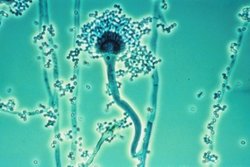
Conidiophores of molds of the genus Aspergillus; conidiogenesis is blastic-phialidic
🩺 Uses In Medicine
Ascomycota are more than just food buddies! 🩺They also help in medicine! The famous antibiotic penicillin comes from the Penicillium mold, which is from Ascomycota. This medicine helps fight infections and save lives! 💊Some ascomycetes are used to make vaccines and other drugs! Researchers are constantly studying these fungi for new medicines to help treat diseases. 🧪Who knows? The next big medical breakthrough might come from more of these incredible fungi! So, keep an eye out for how these little organisms help us stay healthy! 🌟
Go deeper🌿 Evolutionary History
Ascomycota have a long history! 🌿They first appeared around 500 million years ago! That’s when they began to evolve and adapt to their environments. Over time, these fungi changed and split into different groups. They’re closely related to other fungi, like Basidiomycota, which includes mushrooms! 🍄Scientists study fossils and genetic information to understand their evolution better. This helps us learn about how they interact with plants and animals in ecosystems. The evolution of Ascomycota shows how life can adapt and thrive in so many ways! 🌱
Go deeper🚨 Pathogenic Ascomycetes
While many ascomycetes are friendly, some can be harmful! 🚨These so-called pathogenic ascomycetes can cause diseases in plants and even animals. For instance, the fungus called Batrachochytrium dendrobatidis affects frogs and has caused many frog populations to decline! 🐸🍂 In crops, fungi like Fusarium can cause plant diseases and spoil food. 🌽It is essential for farmers and scientists to keep an eye on these fungi to protect our food supply and the health of wildlife! Education and research help keep us informed about these pathogenic threats!
Go deeper🍺 Major Orders Of Ascomycota
Ascomycota is divided into several major orders, including Saccharomycetales, which is where yeast lives! 🍺Yeasts are important in baking bread and brewing beer. Another order is the Erysiphales, which includes fungi that cause powdery mildew on plants! 🌿The order Pezizales contains edible mushrooms like truffles! 🍽️ Some other important orders include the Hypocreales, famous for making the bright orange fungus known as Cordyceps. 🍊Each order has its own unique members, and they all contribute to our world in different ways!
Go deeper🌱 Life Cycle And Reproduction
Ascomycota have fascinating life cycles! 🌱They can reproduce in two ways: asexually and sexually. Asexually, they create spores that can spread easily in the air or water. These spores can land and grow into new fungi! 🌈When conditions are right, they can also reproduce sexually by meeting with other fungi. This leads to the formation of asci, where new spores develop! 🧬Most ascomycetes grow quickly and can change shape, making them excellent decomposers! They play an important role in recycling nutrients in the ecosystem! 🌳
Go deeper🥖 Ascomycota In Food Production
Did you know that Ascomycota are essential in making some of your favorite foods? 🥖Yeast from the Saccharomycetales order helps bread rise by converting sugars into carbon dioxide, making it fluffy and delicious! 🍞Cheese-making also uses fungi to develop flavors. Then, there are yummy mushrooms, like truffles and morels, that many people love to eat! 🍄Some fermented foods, like soy sauce, rely on ascomycetes for their unique flavors too! So next time you're enjoying delicious food, remember these fun fungi are at work behind the scenes! 😋
Go deeper🌟 Characteristics Of Ascomycota
Ascomycota have some unique features! 🌟They produce spores in a special sac called an ascus, which is usually round or oval-shaped. They can be single-celled like yeast, or multi-celled like molds and mushrooms. 🍄Many ascomycetes are colorful, like the orange-red Penicillium! They can be found in different habitats, preferring dark and damp places. 💧Some are helpful, while others can be harmful! Their cell walls are made of chitin, which is the same stuff found in insect exoskeletons! 🐞
Go deeper🔬 Research And Future Directions
Scientists continue to study Ascomycota to discover more about their secrets! 🔬New research focuses on how they can help with food security, like preventing crop diseases or developing new food products. 🍽️ They also explore ways to use these fungi in cleaning up the environment, like removing pollutants! 🌍Striking a balance between benefits and potential harm from pathogenic ascomycetes is crucial. Researchers are working hard to ensure we can enjoy the good aspects of Ascomycota while staying safe. With ongoing research, who knows what amazing discoveries await us in the world of fungi! 🌟
Go deeper🌍 Ecological Roles And Importance
Ascomycota play vital roles in our environment! 🌍They help break down dead plants and animals, recycling nutrients into the soil for plants to use. 🌱This process keeps ecosystems healthy! Some ascomycetes also form partnerships with trees in a relationship called mycorrhiza. 🌳This helps trees grow better since fungi help them absorb water and nutrients. Plus, they can help clean up polluted areas by breaking down harmful substances! 🌈Without ascomycetes, many ecosystems would struggle to thrive, showing just how important they are!
Go deeper