All Articles

Alloy

Alloy Facts For Kids

An alloy is a special mixture typically made of at least one metallic element combined with other elements to create unique properties.
🎨 Reading age for 6-8
Background blob
Alloy
Alloy
Facts for Kids!
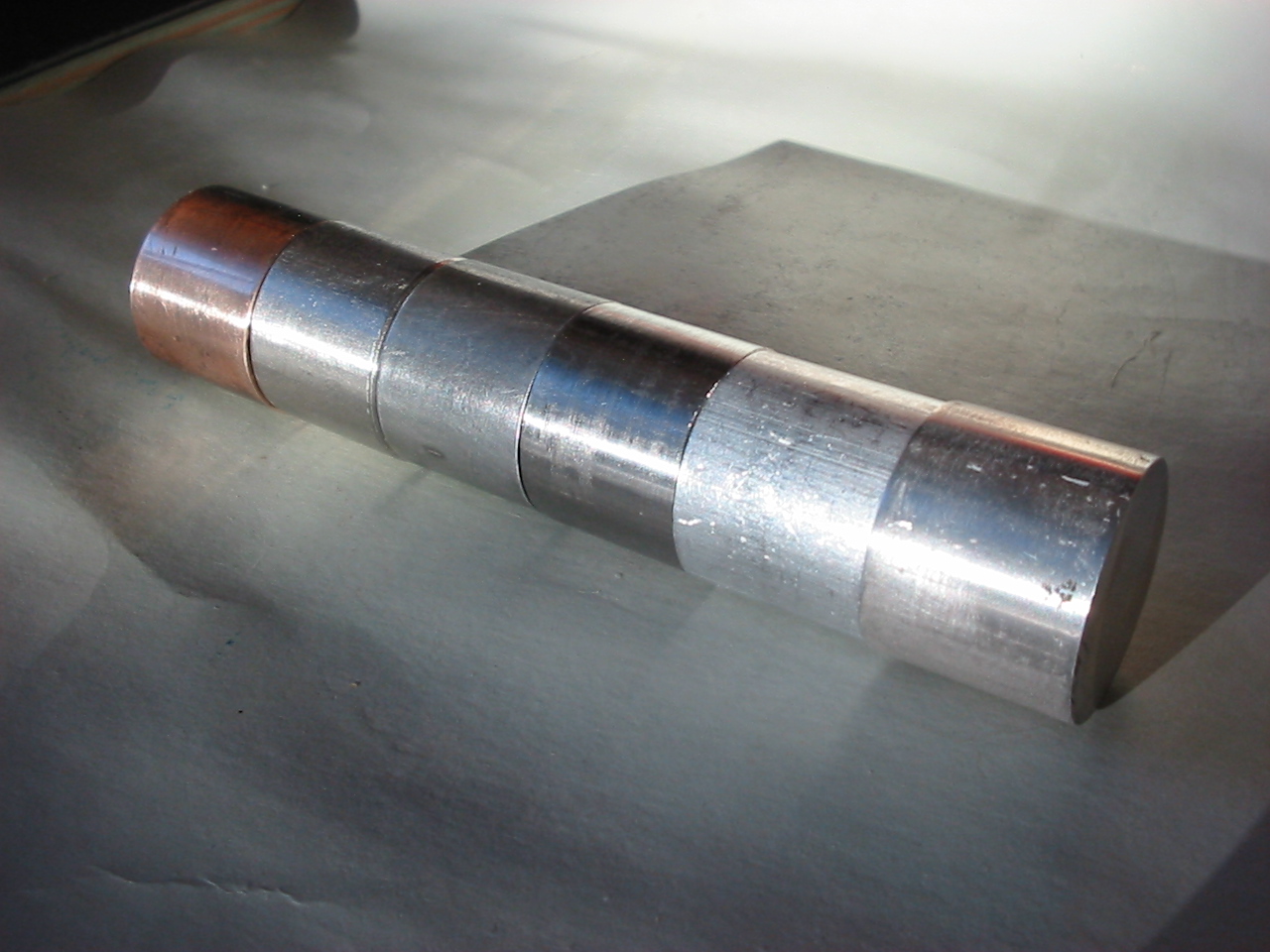
Image by Bill Abbott, licensed under Creative Commons Attribution-Share Alike 2.0

Do more with AI

Introduction

Alloys are special mixtures made mostly of metals! 🌟They combine two or more elements to create something new with unique properties. For example, think of making a delicious smoothie! 🍓🍌 Just like fruits blend together to make something tasty, metals mix to form alloys. They are created to gain better strength, lighter weight, or resistance to rust. Some popular alloys are brass, bronze, and steel! 🌍Did you know that steel is super strong and used in buildings, cars, and tools? And that’s how important alloys are in our daily lives!

Images of Alloy

Liquid bronze, being poured into molds during castingImage by Takkk, licensed under Creative Commons Attribution-Share Alike 3.0

Liquid bronze, being poured into molds during casting

A brass lampImage by Thamizhpparithi Maari, licensed under Creative Commons Attribution-Share Alike 3.0

A brass lamp

A gate valve, made from InconelImage by Heather Smith, licensed under Creative Commons Attribution 3.0

A gate valve, made from Inconel

Interstitial diffusion through a cubic crystal latticeImage by Runningamok19, licensed under Creative Commons Attribution 3.0

Interstitial diffusion through a cubic crystal lattice

Allotropes of iron, (alpha iron and gamma iron) showing the differences in atomic arrangementImage by Trempe_acier_et_mouvements_atomes.svg : Cdang derivative work: Alu ( talk ), licensed under Creative Commons Attribution-Share Alike 3.0

Allotropes of iron, (alpha iron and gamma iron) showing the differences in atomic arrangement

Photomicrographs of steel. Top photo: Annealed (slowly cooled) steel forms a heterogeneous, lamellar microstructure called pearlite, consisting of the phases cementite (light) and ferrite (dark). Bottom photo: Quenched (quickly cooled) steel forms a single phase called martensite, in which the carbon remains trapped within the crystals, creating internal stresses

Photomicrographs of steel. Top photo: Annealed (slowly cooled) steel forms a heterogeneous, lamellar microstructure called pearlite, consisting of the phases cementite (light) and ferrite (dark). Bottom photo: Quenched (quickly cooled) steel forms a single phase called martensite, in which the carbon remains trapped within the crystals, creating internal stresses

Different atomic mechanisms of alloy formation, showing pure metal, substitutional, interstitial, and a combination of the two

Different atomic mechanisms of alloy formation, showing pure metal, substitutional, interstitial, and a combination of the two

A meteorite and a hatchet that was forged from meteoric iron. Evidence of the Widmanstätten patterns from the original meteorite used to make the hatchet's head can be seen on its surface.

A meteorite and a hatchet that was forged from meteoric iron. Evidence of the Widmanstätten patterns from the original meteorite used to make the hatchet's head can be seen on its surface.

Bronze axe 1100 BC

Bronze axe 1100 BC

Different atomic mechanisms of alloy formation, showing pure metal, substitutional, interstitial, and a combination of the two

Different atomic mechanisms of alloy formation, showing pure metal, substitutional, interstitial, and a combination of the two

A meteorite and a hatchet that was forged from meteoric iron. Evidence of the Widmanstätten patterns from the original meteorite used to make the hatchet's head can be seen on its surface.

A meteorite and a hatchet that was forged from meteoric iron. Evidence of the Widmanstätten patterns from the original meteorite used to make the hatchet's head can be seen on its surface.

Bronze axe 1100 BC

Bronze axe 1100 BC

Liquid bronze, being poured into molds during castingImage by Takkk, licensed under Creative Commons Attribution-Share Alike 3.0

Liquid bronze, being poured into molds during casting

A brass lampImage by Thamizhpparithi Maari, licensed under Creative Commons Attribution-Share Alike 3.0

A brass lamp

A gate valve, made from InconelImage by Heather Smith, licensed under Creative Commons Attribution 3.0

A gate valve, made from Inconel

Interstitial diffusion through a cubic crystal latticeImage by Runningamok19, licensed under Creative Commons Attribution 3.0

Interstitial diffusion through a cubic crystal lattice

Allotropes of iron, (alpha iron and gamma iron) showing the differences in atomic arrangementImage by Trempe_acier_et_mouvements_atomes.svg : Cdang derivative work: Alu ( talk ), licensed under Creative Commons Attribution-Share Alike 3.0

Allotropes of iron, (alpha iron and gamma iron) showing the differences in atomic arrangement

Photomicrographs of steel. Top photo: Annealed (slowly cooled) steel forms a heterogeneous, lamellar microstructure called pearlite, consisting of the phases cementite (light) and ferrite (dark). Bottom photo: Quenched (quickly cooled) steel forms a single phase called martensite, in which the carbon remains trapped within the crystals, creating internal stresses

Photomicrographs of steel. Top photo: Annealed (slowly cooled) steel forms a heterogeneous, lamellar microstructure called pearlite, consisting of the phases cementite (light) and ferrite (dark). Bottom photo: Quenched (quickly cooled) steel forms a single phase called martensite, in which the carbon remains trapped within the crystals, creating internal stresses

Types Of Alloys

There are two main types of alloys: ferrous and non-ferrous. 🌟Ferrous alloys contain iron, like steel, which is known for its strength. Non-ferrous alloys don’t have iron; examples include aluminum alloys, bronze, and brass. 🔩Each type has its own special uses. Steel is often used in construction, while aluminum alloys are great for making airplanes because they are lightweight! 🚀Bronze is used for medals, like the ones won in the Olympics! 🥇Knowing these types of alloys helps us choose the right one for a project or purpose!

What Is An Alloy?

An alloy is a blend of different metals or a metal combined with another element. 🌈For instance, when you mix copper and tin, you create bronze! ⚒️ They create better materials than the metals alone. Imagine trying to ride a bicycle made of pure aluminum; it would be too soft! Instead, using an alloy makes it stronger and safer. Alloys have been used for thousands of years, first discovered by ancient people who wanted to make stronger tools! 🏺They are important for many things we use today–not just metals, but also in electronics, jewelry, and more!

Properties Of Alloys

Alloys are known for their amazing properties! 💪Some are stronger, harder, or more resistant to rust than pure metals. For example, steel is stronger than iron because of its alloying elements! 🌍The properties of an alloy depend on the metals used to create it. Whichever metals you mix can change how the final alloy behaves. For instance, adding carbon to iron makes it steel, which is tougher, while adding tin to copper creates bronze, which is great for sculptures! 🗿These unique properties make alloys perfect for everyday items, from cars to jewelry!

Applications Of Alloys

Alloys are everywhere in our daily lives! 🚪They help build strong bridges, like the famous Golden Gate Bridge in San Francisco, made from steel alloy! 🌉Alloys are also used to create parts in vehicles, such as cars and airplanes, because they need to be strong yet lightweight. 🛩️ In addition, they are essential in electronics, found in devices like phones and computers! 📱Even jewelry often includes alloys, which help make items shine while staying strong and durable! So, whether it’s on land or in the sky, alloys are vital to our world!

Examples Of Common Alloys

Some of the most common alloys in our world are bronze, brass, and stainless steel! 🌍Bronze, made from copper and tin, is used in beautiful sculptures and medals! 🥇Brass, a mix of copper and zinc, is found in musical instruments like trumpets! 🎺Lastly, stainless steel contains iron, carbon, and chromium, making it resistant to rust and popular for kitchen items! 🍽️ Knowing these alloys helps us appreciate how they contribute to our lives through furniture, tools, and art! Next time you see something shiny, ask yourself if it’s made from an alloy!

Processes For Alloy Production

Creating alloys usually involves heating and mixing metals! 🔥First, the metals are melted down in a furnace until they become liquid. Then, they are mixed together into a mold, taking the shape of the desired object. After cooling, the alloy becomes solid. This process ensures the metals blend well, creating the new properties we want. ⚙️ There are also other methods, like casting and forging, that can shape alloys into tools, buildings, or parts of machines! By using different processes, manufacturers can create the perfect alloy for any task!

Future Trends In Alloy Research

Scientists are always researching new alloys to make our lives even better! 🧑‍🔬 They are discovering ways to create lighter, stronger, and more durable alloys for new technologies, especially in aviation and space. 🚀Imagine an airplane made from a super-strong alloy that makes flying even safer! Also, scientists are exploring how to make eco-friendly alloys that need less energy and reduce pollution. 🌿As technology continues to advance, innovations in alloy research will lead to exciting products that help us explore and protect our planet! Keep an eye on what's next in alloy adventures! 🌟

Alloys In Engineering And Manufacturing

In engineering and manufacturing, alloys are superheroes! 🦸‍♂️ Engineers choose specific alloys to create machines, structures, and more. Stainless steel is used in skyscrapers because it is both strong and durable! 🏢Similarly, aluminum alloys are used in airplanes due to their lightweight yet sturdy nature, allowing them to fly better! ✈️ When inventing new products, engineers study the properties of alloys to ensure they work well for their intended use. By using the right alloys, we can build safer, more efficient, and long-lasting products that help our world thrive! ⚒️

Environmental Impact Of Alloy Production

Making alloys can impact the environment, so it's essential to be mindful! 🌱Producing alloys typically requires mining metals, which can disturb nature and ecosystems. Sadly, this can lead to habitat loss for many animals. 🌳Additionally, factories need energy to melt metals, which can produce pollution. But there is good news! Many companies are using recycled metals to make alloys, reducing waste and protecting our planet! 🌏By choosing eco-friendly practices and using recycled materials, we can create a greener future while still using the incredible properties of alloys!

Alloy Quiz

Q1
Question 1 of 10

Learn more about Alloy

Ready to create?

Drop Files here
Make

To create a safe space for kid creators worldwide!

Create

Vibe Coding

Kids GPT

All Tools

Kibu

Resources

Worksheets

SafeTube

Blog

FAQ

Account

Pricing

Log-in

Sign-up

Data Deletion

Company

About

Community Guidelines

Privacy Policy

Terms of Service

2025, URSOR LIMITED. All rights reserved. DIY is in no way affiliated with Minecraft™, Mojang, Microsoft, Roblox™ or YouTube. LEGO® is a trademark of the LEGO® Group which does not sponsor, endorse or authorize this website or event. Made with love in San Francisco.