How to draw a pelican - a free pelican drawing guide
Draw a pelican step-by-step using simple shapes, add beak and wing details, then color your illustration. Improve observation, proportions, and shading skills.


Drawing Apps
Photos of pelican drawings and examples
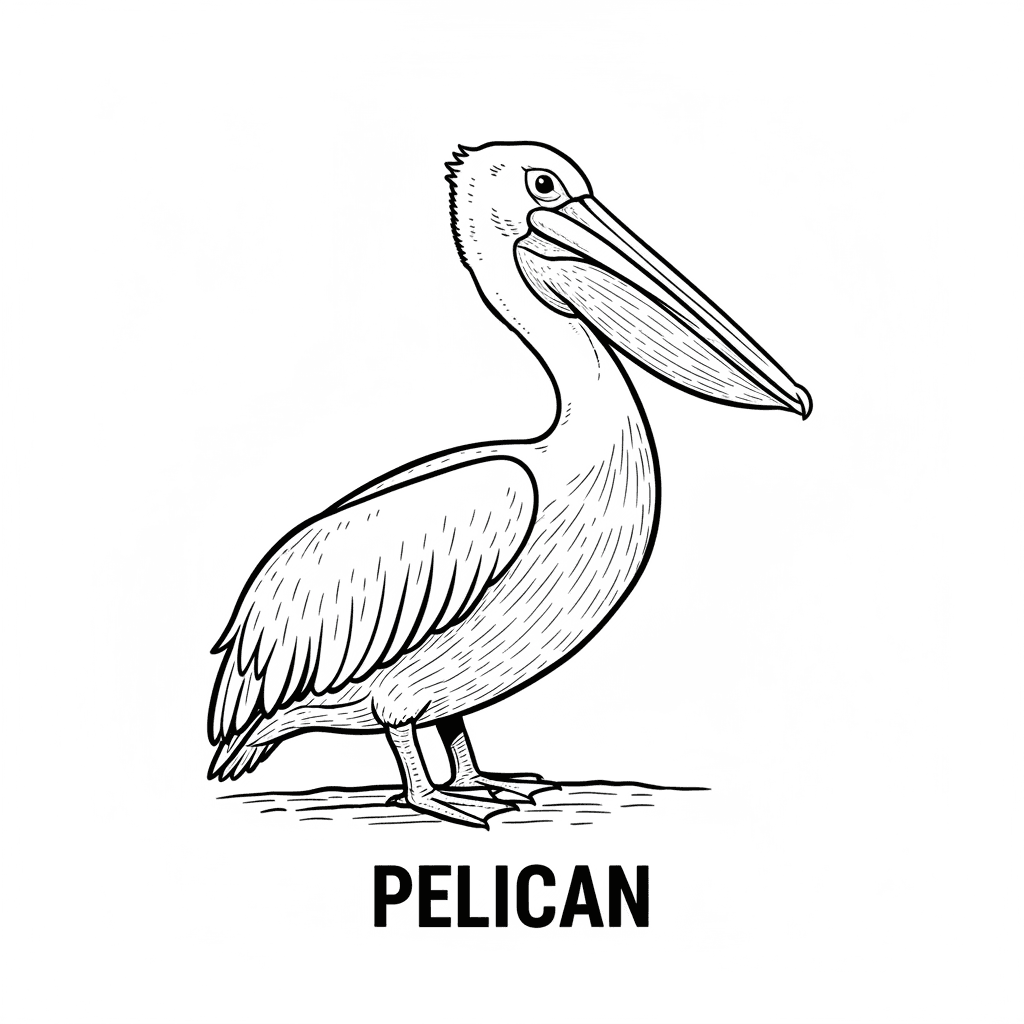
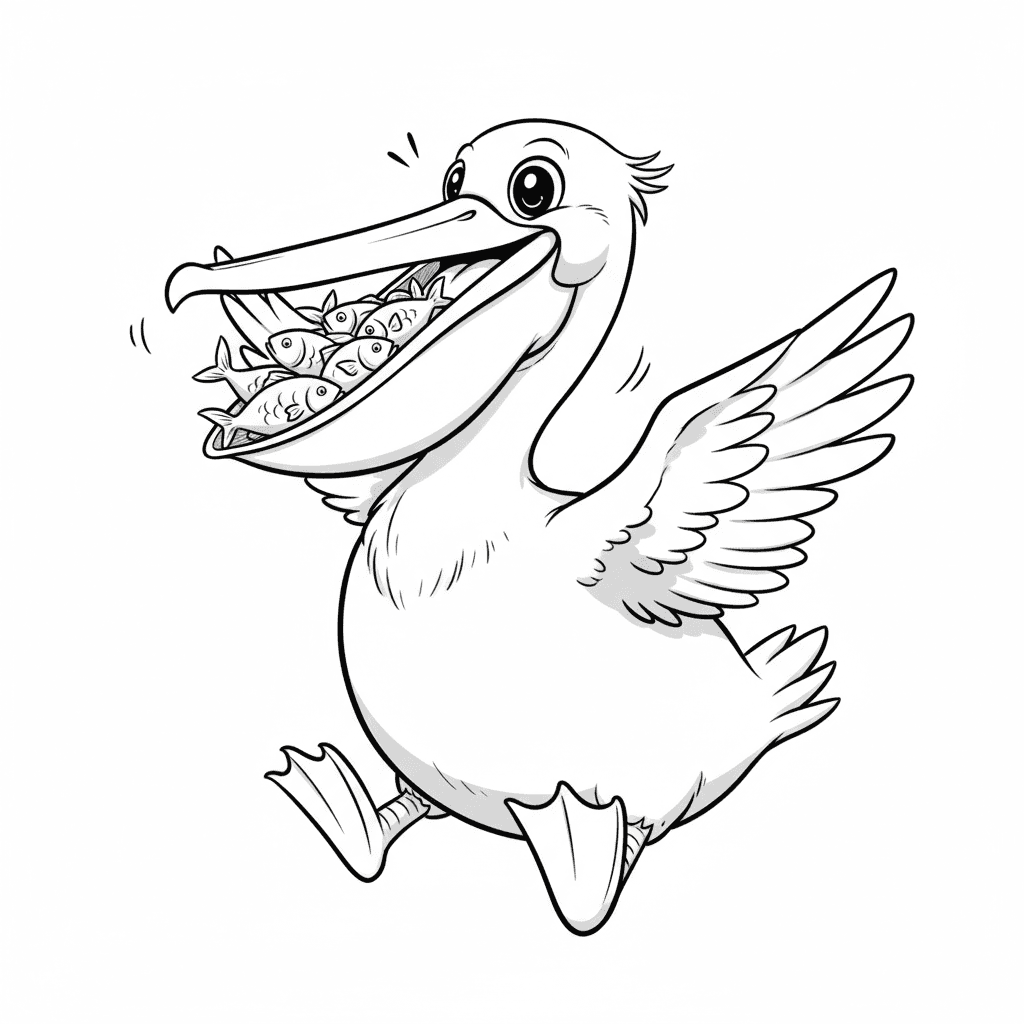
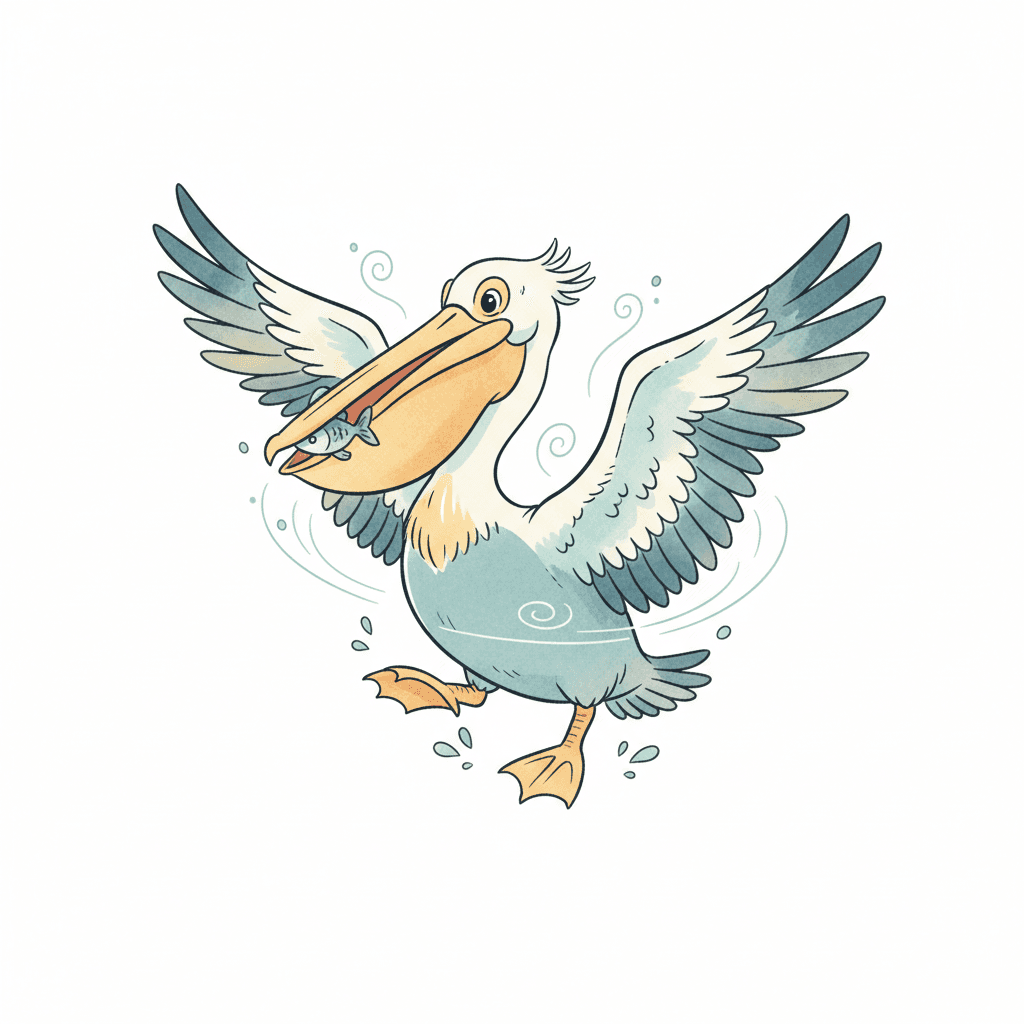
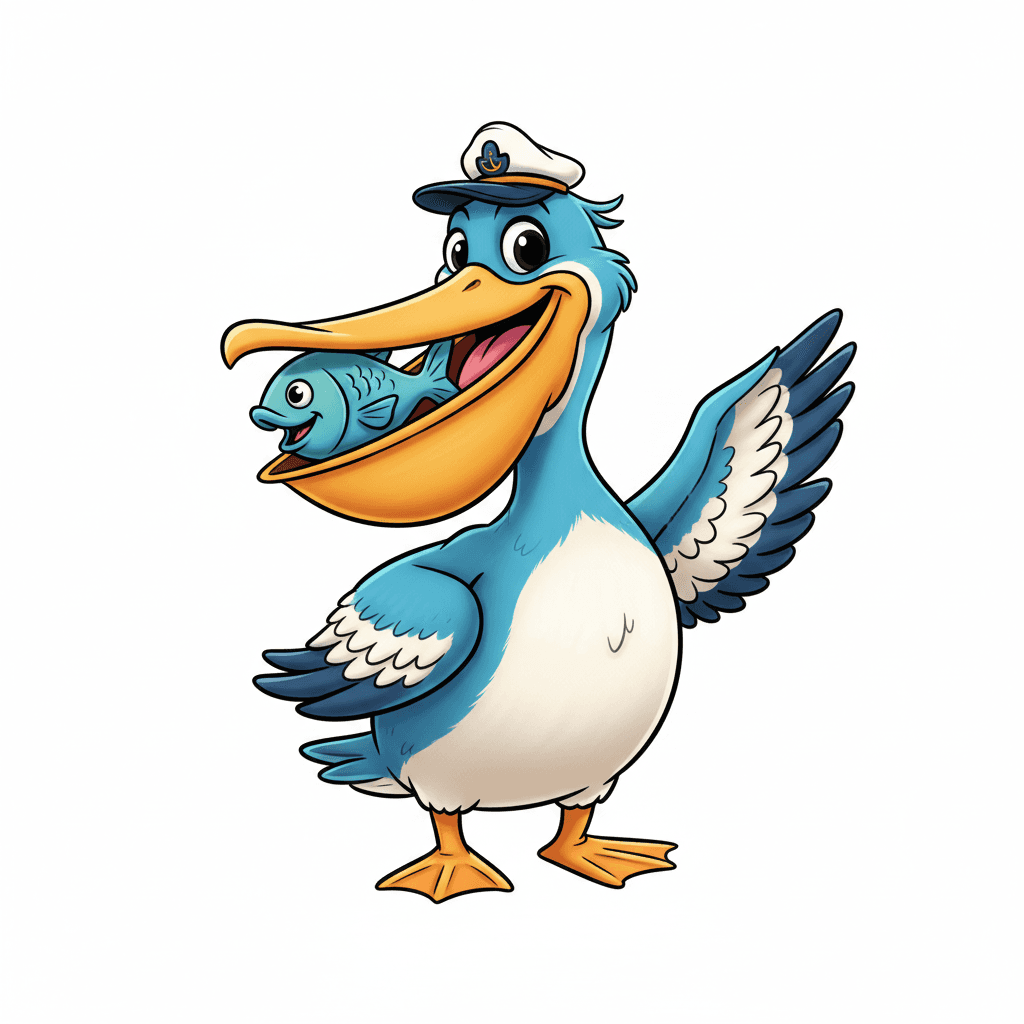

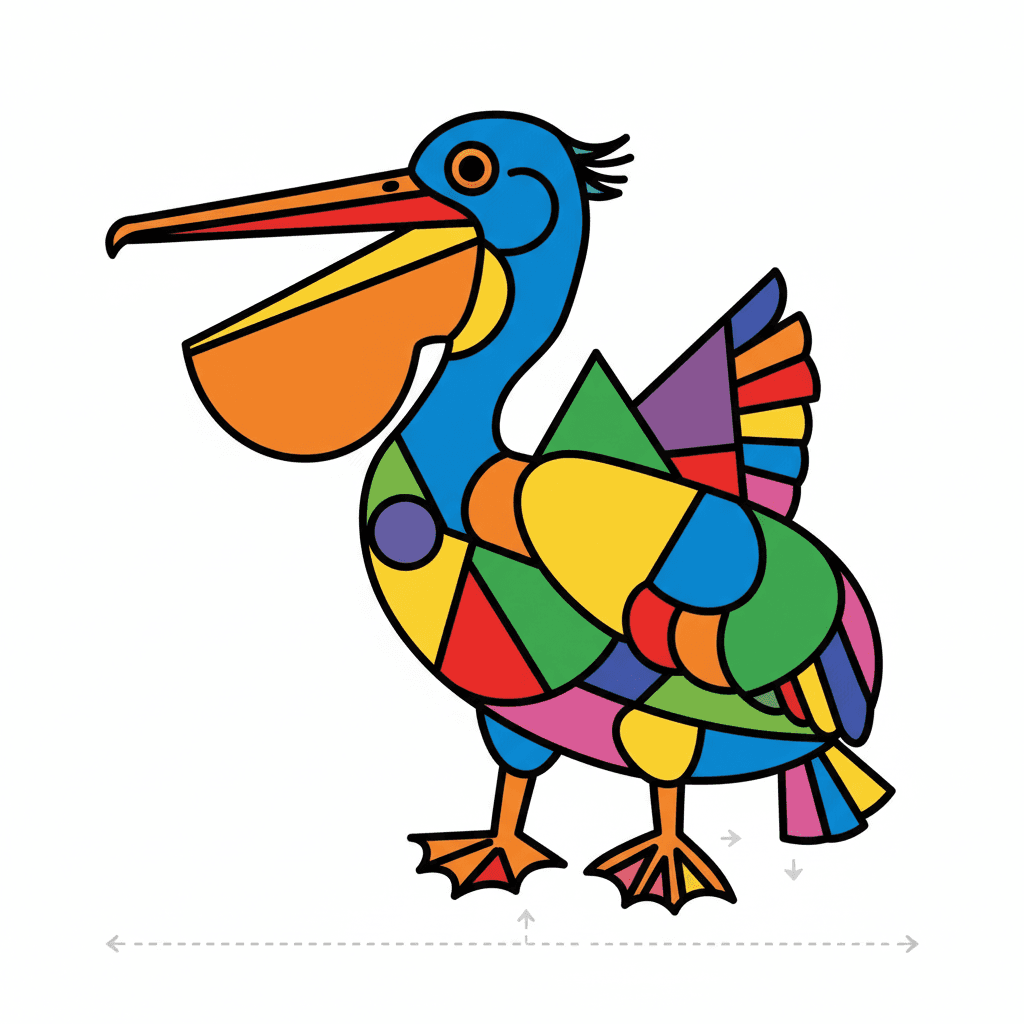
Step-by-step guide to draw a pelican
How To Draw A Cartoon Pelican
Step 1
Gather your materials and find a flat place to draw.
Step 2
Lightly sketch a large oval for the body and a smaller circle touching it for the head.
Step 3
Draw a short curved line connecting the head and body to make the neck.
Step 4
Draw a long downward curved beak from the head and add a rounded pouch under it.
Step 5
Draw a small circle near the top of the head for the eye and shade a tiny dot inside for the pupil.
Step 6
Add a curved line along the top of the beak to show the beak fold.
Step 7
Draw a long curved line across the body to mark the wing outline.
Step 8
Add three or four small curved lines along the wing edge to make feathers.
Step 9
Draw a short fan of little lines at the back of the body to make the tail.
Step 10
Draw two short legs with webbed feet under the body.
Step 11
Erase extra sketch lines so the pelican looks neat and smooth.
Step 12
Trace your final lines with a black marker if you like and let the ink dry.
Step 13
Color your pelican using lighter colors for the body and a brighter color for the beak.
Step 14
Add light shading under the wing and pouch by pressing harder with your coloring materials along those edges.
Step 15
Take a photo of your finished pelican and share your creation on DIY.org.
Help!?
What can we use if we don't have a black marker, eraser, or a flat drawing surface?
Trace your final lines with a fine-tip pen or dark crayon instead of the black marker, use a soft rubber eraser to remove extra sketch lines, and draw on a clipboard or hardcover book when you can't find a flat table.
My pelican's beak and pouch look messy—how can I fix them?
Lightly redraw the long downward curved beak and rounded pouch with soft pencil strokes, erase extra sketch lines around them, and refine the beak fold before tracing with your marker so the beak and pouch look neat and smooth.
How can I change the activity for younger or older children?
For younger kids, pre-draw the large oval and small head circle for them to complete with chunky crayons, and for older kids, encourage adding detailed feathers along the wing outline and careful light shading under the wing and pouch as described.
How can we extend or personalize the pelican drawing after finishing the steps?
Add a watery background with fish, decorate the wing with patterns or collage a colored-paper beak, then take a photo of your finished pelican to share on DIY.org as suggested in the instructions.
Watch videos on how to draw a pelican
Easy Pelican Drawing for Kids | Step by Step Tutorial 🐦
4 Videos

Easy Pelican Drawing for Kids | Step by Step Tutorial 🐦
Learn to Draw and Color a Cute Pelican | Easy Bird Drawing for Kids

How To Draw a Pelican! Easy Cartoon tutorial Pelican - For Kids!
How To Draw A Pelican Step By Step - Pelican Drawing Easy
Facts about drawing birds for kids
🐦 Pelicans have a stretchy throat pouch that they use to scoop up fish — a fun shape to exaggerate in your drawing!
✏️ Artists often start with simple shapes like circles and ovals to get animal proportions right before adding details.
👀 Studying photos from different angles helps you place the beak, eye, and wings more accurately.
🎨 Shading from light to dark (or using cross-hatching) makes a flat drawing look three-dimensional.
🪶 Some pelican species have wingspans nearly 3 meters (about 10 feet) — try hinting at that long wing with a simple curved line.
How do I draw a pelican step-by-step using simple shapes?
What materials do I need to draw a pelican?
What ages is this pelican drawing activity suitable for?
What are the benefits of drawing a pelican step-by-step?
