What’s a Gacha Game?
What is a gacha game? Learn how these collectible, luck-based games work, why they're popular with kids, and how to play them safely and responsibly.
Gacha games are a hugely popular type of mobile and online game where players use in-game currency earned or bought with real money to unlock random characters, outfits, or power-ups. Think of it like a digital toy capsule machine. In this guide, we’ll break down how they work, why kids love them, and what every parent should know about in-app purchases, screen time, and gaming safety.
What Is a Gacha Game?
A Gacha game is a type of video game, typically mobile-based, where players spend virtual currency to receive random in-game rewards. The name “Gacha” comes from the Japanese gachapon (or gashapon) vending machines that dispense mystery toys in plastic capsules. These mechanics have been adapted into digital form appealing to both kids and adults.
You may also hear “Gacha” used in parenting forums or on YouTube, often referring to games like Gacha Life.
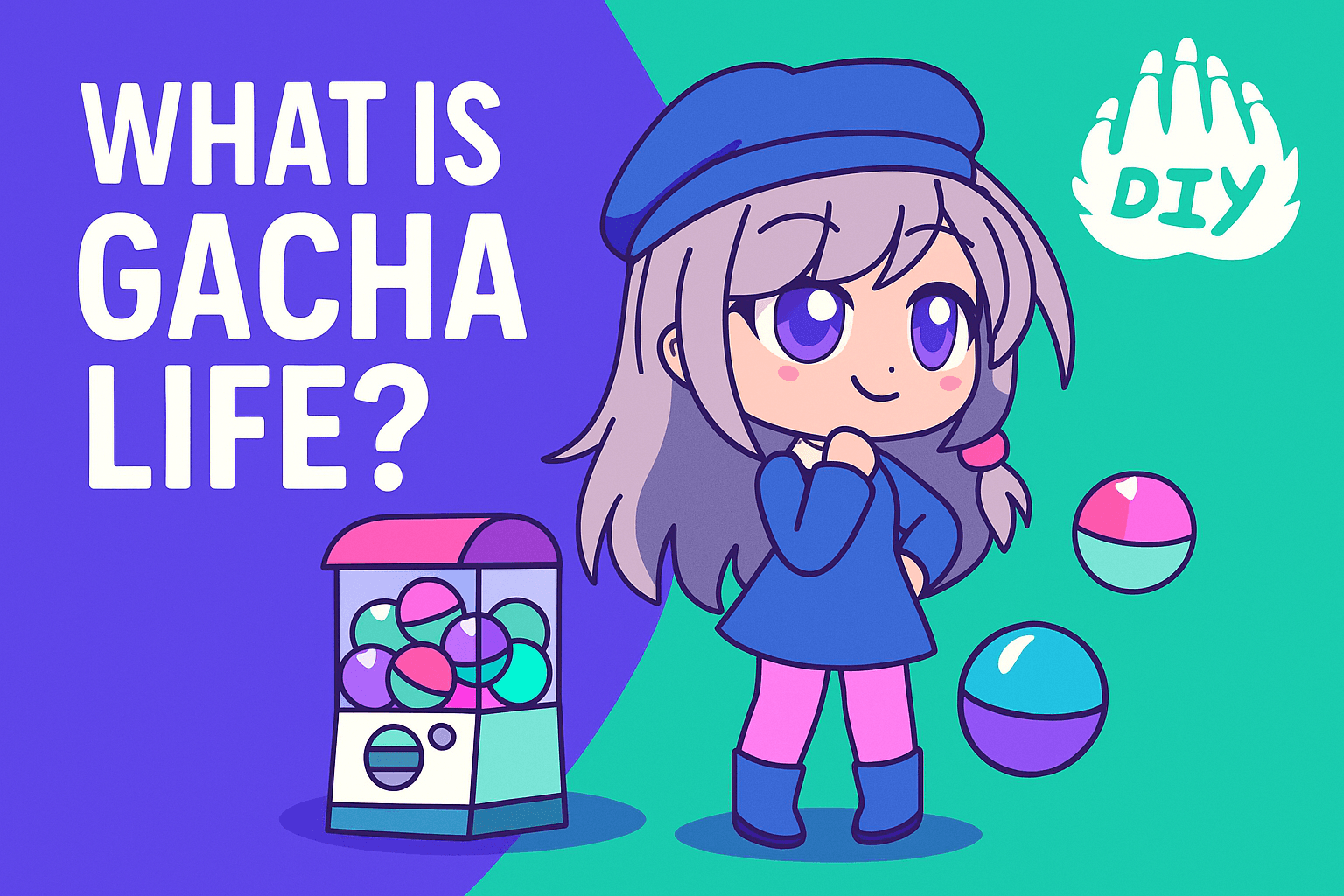
What is Gacha Life?
It’s a free-to-play mobile game by Lunime where kids can create, dress up, and animate their own anime-style characters. With features like Studio Mode and Life Mode, it fosters creativity and storytelling while also including Gacha-style capsule rewards.
Popular across platforms like TikTok and YouTube, Gacha Life has become a major part of the Gacha gaming trend, especially for kids and preteens.
Why Are Gacha Games So Popular with Kids?
Gacha games combine surprise, collecting, and progression all things kids naturally love.
Here’s why they’re such a hit:
Unlocking rare items or characters
Competing or teaming up with friends online
Progressing through beautifully designed worlds and stories
Some of the most popular Gacha games in 2025 include:
These games feature stunning visuals, rich storylines, and compelling reasons to “keep playing just a little longer.”
Are Gacha Games Safe for Kids?
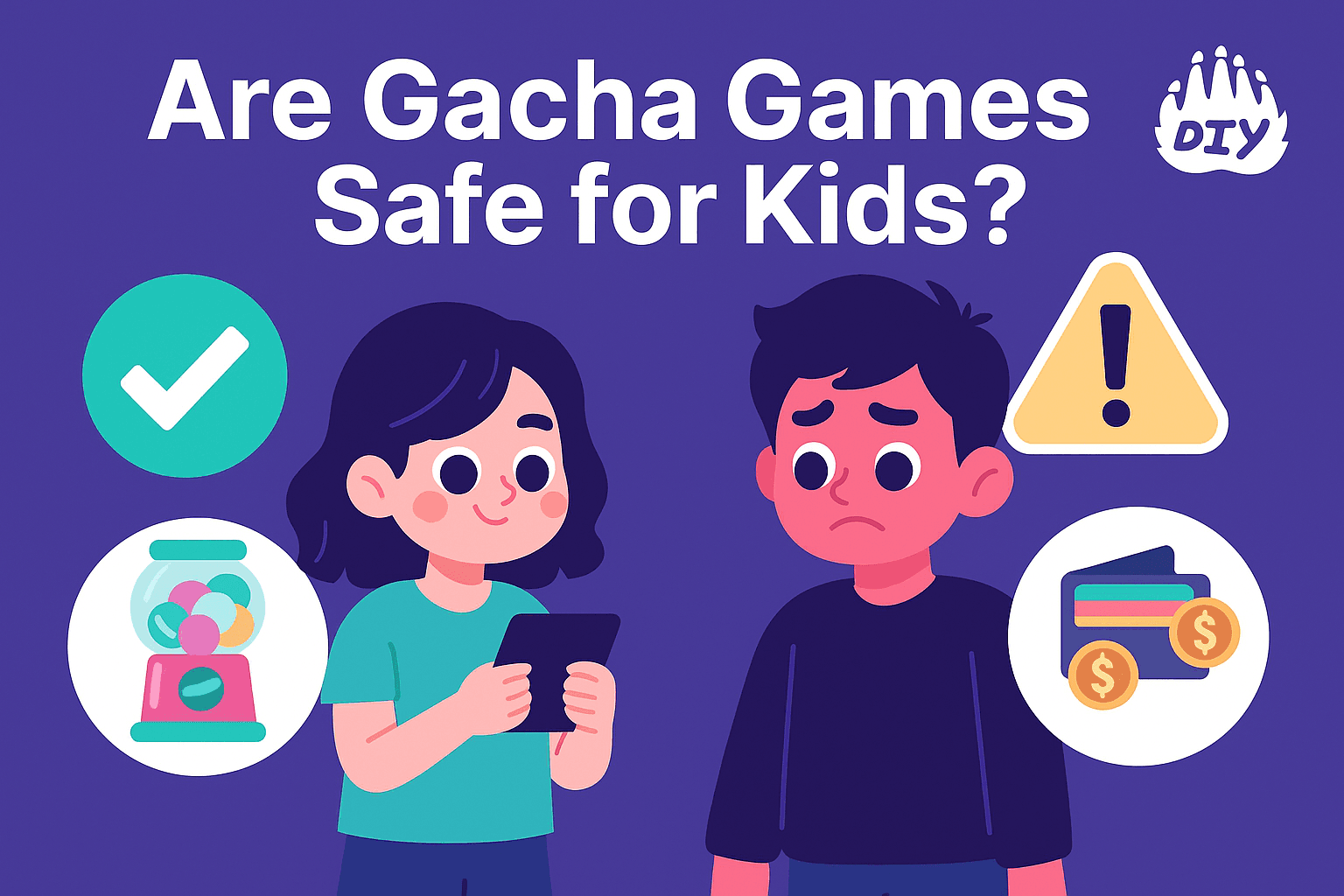
Gacha games can be both fun and educational but they also require a mindful approach.
✅ The Good:
Free to download and play
Encourage creativity and character development
Teach resource management and planning skills
⚠️ The Risks:
In-app purchases can add up quickly
Gacha mechanics have similarities to gambling
The random rewards can encourage compulsive behavior
Always check the game’s age rating, and enable parental controls to limit spending and screen time.
What Makes Gacha Games So Addictive?
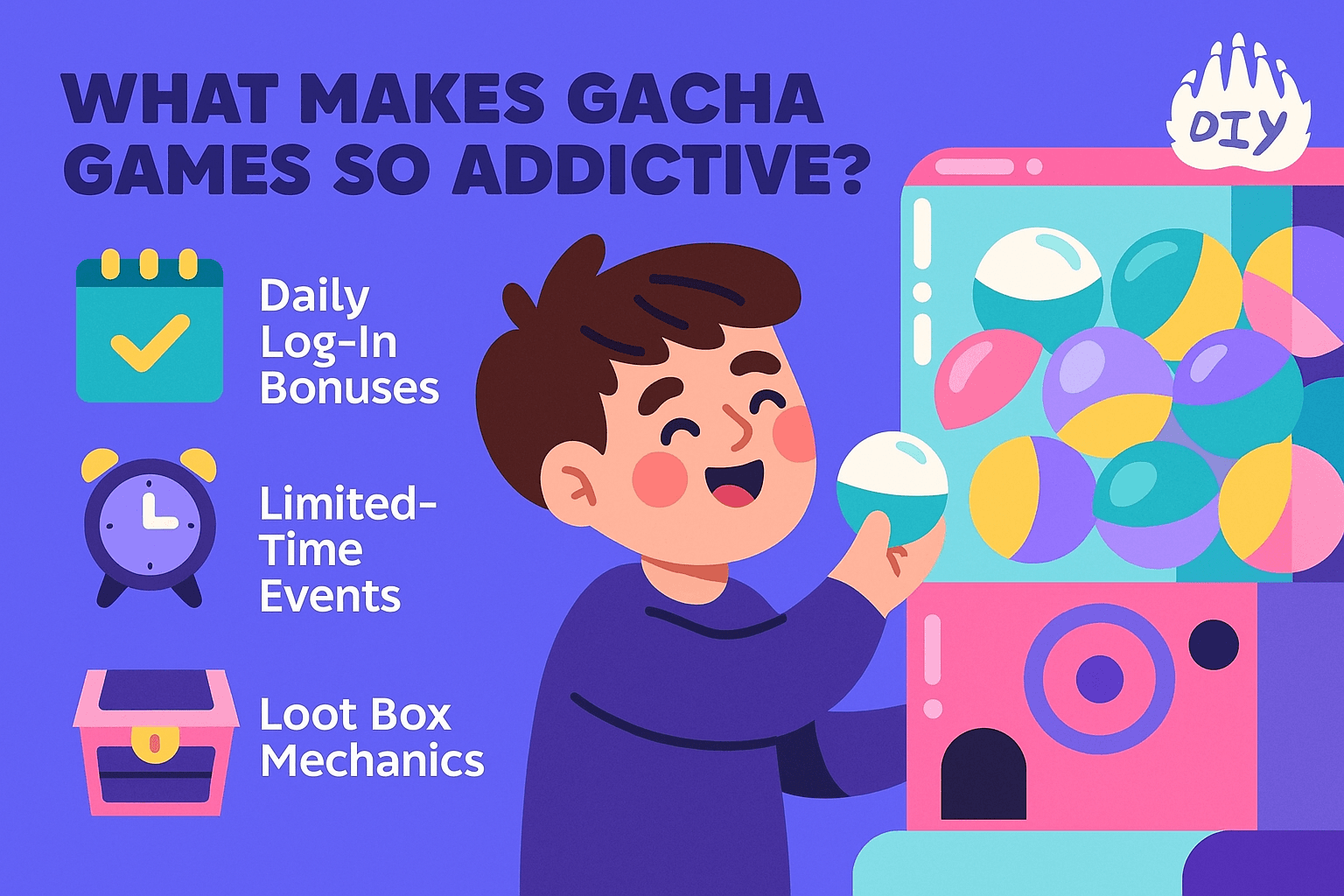
These games are designed to be habit-forming, using subtle psychological tricks that keep players coming back:
Daily login bonuses create routine
Limited-time events trigger urgency and FOMO
Loot box mechanics generate dopamine hits
Think of it like this: “Just one more pull” in a Gacha game = “Just one more candy” from a vending machine. The randomness is part of the fun and the hook.
How Do In-App Purchases Work in Gacha Games?
Players earn or purchase in-game currency like “gems,” “orbs,” or “primogems.” These are used for “pulls” that give you random items or characters.
Here’s a common pricing example:
$0.99 = 100 gems
One pull = 160 gems
Ten-pull (with better odds) = 1,600 gems
Without realizing it, kids can spend significant amounts of real money trying to get that one rare character.
Set your app store to require a password or biometric confirmation before purchases.
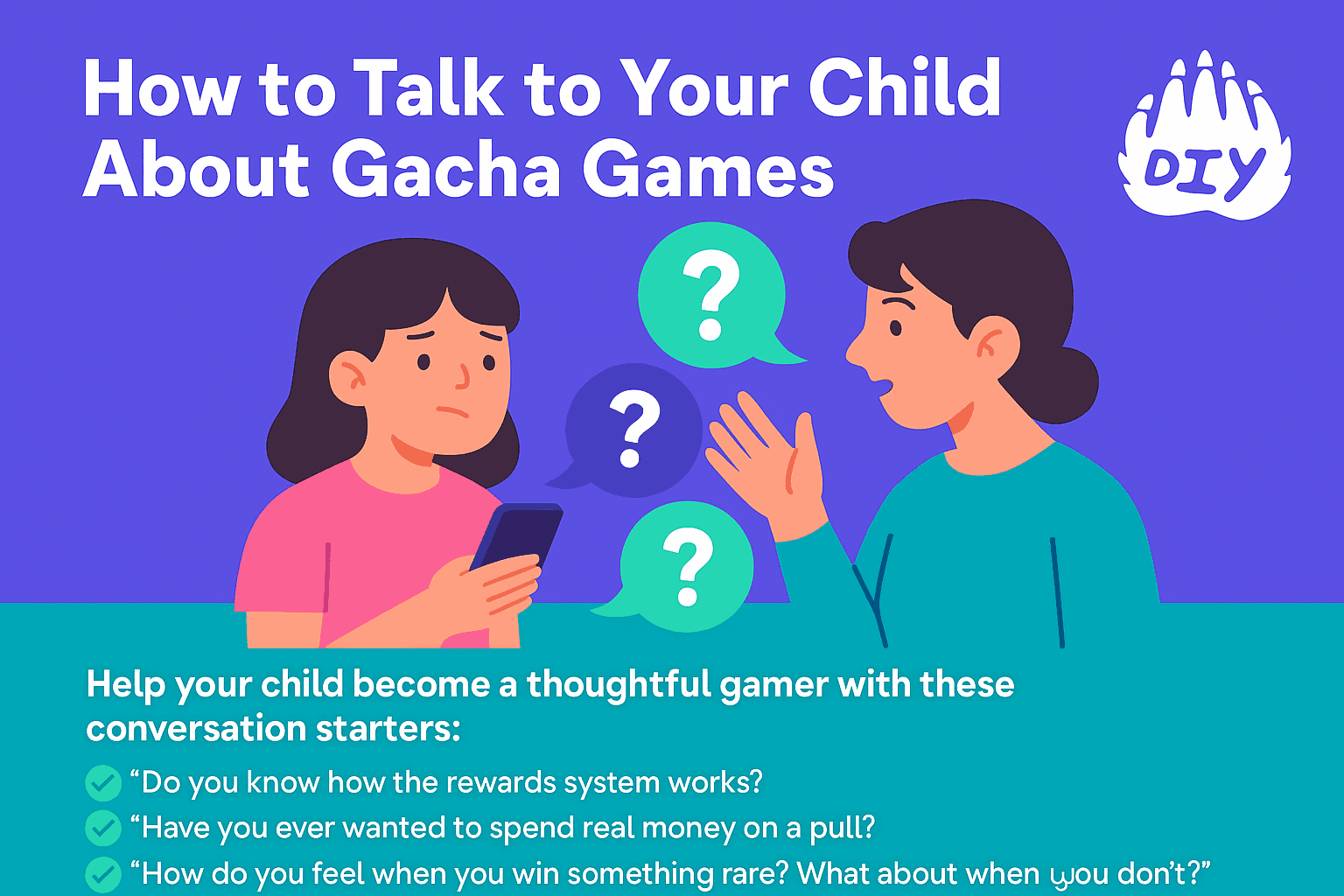
How to Talk to Your Child About Gacha Games
Help your child become a thoughtful gamer with these conversation starters:
“Do you know how the rewards system works?”
“Have you ever wanted to spend real money on a pull?”
“How do you feel when you win something rare? What about when you don’t?”
Make sure they understand that these games are designed to keep them playing and spending. Talk about budgeting, both with time and money.
Final Takeaway for Parents
Gacha games are imaginative, immersive, and beloved by kids but they blur the lines between play and payment. By understanding how these games work, you can:
Set healthy digital habits
Establish spending limits
Open up meaningful conversations about gaming and money
Gacha gaming can be part of a fun and balanced digital life as long as it’s approached with guidance and awareness.
Related Reading for Curious Parents
What Are the New Features in Borderlands 4?
Best Family-Friendly Games on Xbox Game Pass for Kids and Parents
Can Kids Play League of Legends? What Parents Should Know
Frequently Asked Questions about Gacha
Are all Gacha games pay-to-win?
Not always. Many allow free players to progress with effort and smart planning, though paying players may gain advantages more quickly.
Can my child play Gacha games safely?
Yes with boundaries. Choose age-appropriate titles, monitor gameplay, and turn on purchase restrictions.
What age is Gacha Life appropriate for?
It’s rated 9+ but best suited for tweens and older kids with parental supervision.
Ready to start creating?
Join hundreds of thousands of kids already building cool stuff.
Get started for free