Tuareg Rebellion Facts For Kids
The Tuareg rebellion refers to a series of uprisings by the Tuareg people against state authorities in the Sahara region, primarily driven by issues of autonomy, cultural recognition, and socio-economic grievances.
Select reading age
Tuareg Rebellion Facts For Kids
Videos & Quizzesincluded
About this topic
The Tuareg Rebellion refers to a series of conflicts involving the Tuareg people, a group of nomadic desert dwellers mainly found in Mali, Niger, and Algeria. 🌍The Tuaregs have a unique culture and speak the Tamasheq language. This rebellion began in the 1990s because the Tuareg people wanted more rights, land, and self-governance. It’s like when you want a say in rules at school! 📚The conflicts were more pronounced in the northern regions, especially around Timbuktu, which is famous for its ancient history. The rebellion aimed to stop discrimination and improve living conditions for the Tuareg people.
Explore with ChatDinoKey Points
The roots of the Tuareg Rebellion can be traced back to colonial times.
Countries around the world reacted to the Tuareg Rebellion in different ways.
Several important leaders emerged during the Tuareg Rebellion.
The Tuareg people experienced multiple major conflicts, particularly in the 1990s and 2000s.
After years of fighting, several treaties and agreements were signed to bring peace to the Tuareg regions.
The Tuareg Rebellion greatly affected the culture of the Tuareg people.
As of 2023, the Tuareg people still face challenges in their quest for rights and recognition.
The Tuareg Rebellion teaches us important lessons about understanding, respect, and cooperation.
Photos of Tuareg Rebellion

Azawad rebels in Mali, January 2012

Tuareg rebels in 2012
😔 Historical Background
The roots of the Tuareg Rebellion can be traced back to colonial times. In the late 19th and early 20th centuries, different European countries controlled parts of Africa, including the Tuareg lands. 😔When African nations gained independence in the 1960s, the Tuareg people faced neglect and broken promises. By 1990, many Tuareg people felt left out, leading to protests and uprisings. The first armed conflict started in North Mali, where the Tuareg fought against the government. As time passed, other countries with Tuareg populations, such as Niger and Algeria, experienced similar rebellions.
Go deeper😇 International Reactions
Countries around the world reacted to the Tuareg Rebellion in different ways. Some nations, like Algeria, tried to mediate peace talks 😇. The United Nations (UN) monitored the situation, urging respect for human rights. Countries with Tuareg populations, such as Libya, supported the rebellion indirectly due to their similar struggles. 🌐International organizations focused on providing aid to the affected communities. However, others were concerned about the potential for a larger conflict in the Sahel region of Africa. Overall, the unrest caught the attention of many global leaders, leading to discussions about peace and support for the Tuareg people.
Go deeper✊ Key Figures And Leaders
Several important leaders emerged during the Tuareg Rebellion. One of the most well-known is Iyad Ag Ghali, who led various Tuareg groups fighting for rights and recognition. ✊Another key figure is Hamma Ag Sid Ahmed, who played a crucial role in peace talks. These leaders united different Tuareg factions to seek a common goal: better treatment and self-rule. 🎤Each leader had unique ideas on how to achieve these goals, making the rebellion complex, like a puzzle. Their efforts led to treaties, tribal meetings, and new hopes for the Tuareg communities.
Go deeper⚔️ Major Conflicts And Events
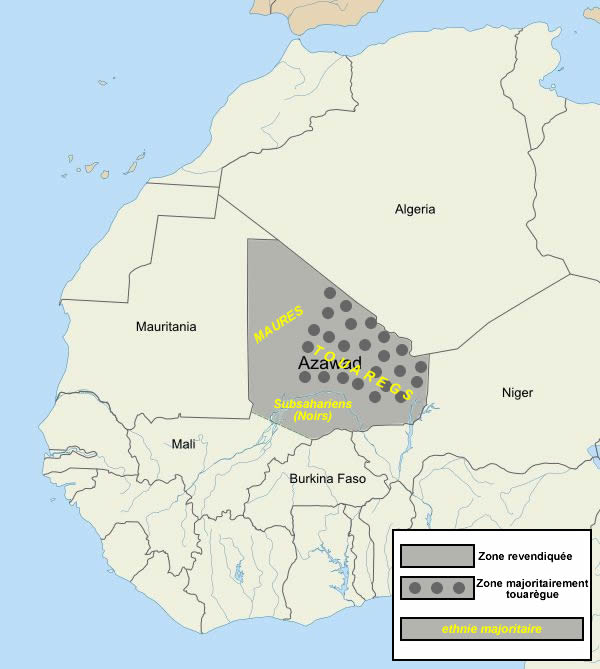
The Tuareg people experienced multiple major conflicts, particularly in the 1990s and 2000s. The first major rebellion started in 1990 and was known as the "Tuareg Insurgency." ⚔️ A peaceful agreement was reached in 1992, bringing some calm. But in 2007, another rebellion broke out when some Tuaregs felt their rights were still not respected. The "Tamanrasset Agreement" was signed then, but it didn’t help much. In 2012, a new wave of conflict erupted, leading to the Tuareg declaring an independent state called Azawad, but this was quickly challenged by other forces. 🌪️
Go deeper✌️ Post-rebellion Developments
After years of fighting, several treaties and agreements were signed to bring peace to the Tuareg regions. The "Algiers Peace Agreement" in 2015 aimed to end hostilities and grant the Tuareg people more autonomy. ✌️ Some Tuareg leaders became part of the government, making rules for their communities. However, many challenges remain, like poverty and lack of education. 🌱Efforts to improve conditions include building schools, schools, and providing healthcare. The process of peace continues, with many hoping for a brighter future where the Tuareg people can thrive without conflict.
Go deeper🎶 Cultural Impact Of The Rebellion
The Tuareg Rebellion greatly affected the culture of the Tuareg people. Its music, art, and language became symbols of their fight for identity. 🎶The Tuareg people are known for beautiful jewelry and vibrant blue clothing. After the rebellion, many artists created songs and stories about their struggles, helping to share their culture with others. The rebellion also highlighted the importance of traditional storytelling and poetry in preserving their history. Through their art, the Tuareg people could express their desires for freedom and recognition, transforming pain into powerful messages.
Go deeper🌍 Current Status Of The Tuareg People
As of 2023, the Tuareg people still face challenges in their quest for rights and recognition. 🌍Despite some peace agreements, tensions continue due to local governments' struggles to address their needs. Many Tuaregs live in poverty, with limited access to education and healthcare. However, there is optimism! Programs work to engage the Tuareg youth, ensuring they have opportunities and a voice in their future. 🌟Communities remain active in cultural preservation and advocate for their rights. The Tuareg people's resilience and hope will likely lead them to find more peaceful paths ahead.
Go deeper🤝 Lessons Learned And Future Prospects
The Tuareg Rebellion teaches us important lessons about understanding, respect, and cooperation. 🤝It reminds us that everyone's voice matters, and people deserve to be heard. Future prospects involve encouraging peace and dialogue rather than conflict. Organizations continue to work with the Tuareg to ensure their needs are met, focusing on education and community support. 🌟Young Tuareg leaders are being trained to bring positive changes. If lessons from the past are applied, it’s possible for the Tuareg people to enjoy a brighter, more peaceful future. Together, we can strive to resolve differences through kindness and understanding! 😊
Go deeper