The Gods Are Not To Blame Facts For Kids
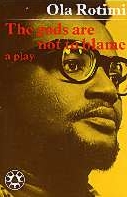
The Gods Are Not to Blame is a thought-provoking fiction that examines the role of divine entities in human affairs, arguing that individuals are responsible for their actions and choices.
Select reading age
The Gods Are Not To Blame Facts For Kids
Videos & Quizzesincluded
About this topic
In many stories and cultures, people wonder if gods are responsible for the good or bad things that happen. 🌍In ancient Greece, people believed in gods like Zeus, who controlled lightning, and Athena, the goddess of wisdom. However, they also knew that humans made choices. Think about a superhero! When someone makes a mistake, it’s not the superhero's fault, right? We all have the power to make choices. So, just like characters in stories, we can choose to do good or learn from our mistakes! 🌟
Explore with ChatDinoKey Points
Throughout history, people have blamed gods for events like floods and droughts.
Gods appear frequently in movies and games!
Free will means we can make our own choices!
Theodicy is a big word that means trying to understand why bad things happen!
Different cultures have stories about gods and their influence.
When things go wrong, it can be easy to blame gods.
Philosophers have questions about whether gods can control everything.
Mythologies from around the world teach lessons about responsibility.
🌧️ Historical Context Of Divine Blame
Throughout history, people have blamed gods for events like floods and droughts. 🌧️ For example, in ancient Mesopotamia, people would pray to gods like Enlil when crops failed. But over time, they learned that sometimes, it’s just nature! 🌱Just like when it rains, and you can’t go outside—it's not anyone's fault! Historical studies show that people began to understand they should also take responsibility for their actions and decisions rather than blaming higher powers. 🌍
Go deeper🎬 Case Studies: Gods In Popular Culture
Gods appear frequently in movies and games! 🎬In the movie "Percy Jackson," characters like Poseidon interact with humans, but they still have to fight their own battles. 🌊In the video game "God of War," players meet gods from Norse mythology but still make choices that affect the story. These examples show us that while gods may help, our actions determine the outcome. Recognizing this can inspire us to make smart decisions in our own adventures! 🎮
Go deeper👐 Theological Perspectives On Free Will
Free will means we can make our own choices! 👐In many religions, like Christianity, people believe that God loves them and gives them the freedom to choose between good and evil. 🌟A famous quote from the Bible is, “Choose this day whom you will serve” (Joshua 24:15). This shows that while God is powerful, humans hold the responsibility for their actions. Understanding free will helps us see that our choices matter, just like a game where you can decide your next move! 🎮
Go deeper📚 Literature And The Problem Of Theodicy
Theodicy is a big word that means trying to understand why bad things happen! 📚In stories like "The Chronicles of Narnia," characters face evil and must choose to be brave. While characters may hope God will fix everything, they learn to fight for what is right. In literature, many authors explain that while gods might allow challenges, it is up to humans to overcome them. So, characters work together to solve problems, showing that they have the strength to take charge! 💪
Go deeper🌈 Cultural Interpretations Of Divine Influence
Different cultures have stories about gods and their influence. For example, in Hinduism, there are many gods like Brahma and Vishnu. People believe these gods help guide them, but they also think humans can create their own paths in life. 🌈In Africa, the Yoruba people tell tales of Orunmila, the god of wisdom. They believe he helps guide choices, but it’s ultimately up to people to make the right ones! This shows that while gods play a role, individual decisions are very important. 🗺️
Go deeper🧠 Psychological Implications Of Blaming Deities
When things go wrong, it can be easy to blame gods. 🧠For example, when someone loses a game, they might say, “The gods were against me!” But blaming others can prevent us from realizing our own part in situations. Learning about our feelings helps us take charge of our lives. Psychologists suggest that accepting our mistakes can help us grow. Just like in a game, when we learn from our losses, we become stronger players! 🌟
Go deeper🤔 Philosophical Discussions On Divine Omnipotence
Philosophers have questions about whether gods can control everything. 🤔For example, philosopher Epicurus asked, “If God is good, why does bad stuff happen?” These questions help us think about responsibility. Many people believe that while gods are powerful, they also give humans the ability to choose their actions. So, gods might help and guide, but ultimately, we are in charge of our choices! 📖Learning to think about these ideas can help us become better decision-makers in life. 🌈
Go deeper🏛️ Mythological Narratives And Human Accountability
Mythologies from around the world teach lessons about responsibility. 🏛️ In Greek mythology, the story of Pandora tells us about her opening a box that released troubles into the world. But she also kept hope inside! 🌟This story reminds us that we can make mistakes, but there is always a chance to fix them. Each myth teaches that while gods might be involved, it’s up to people to find solutions. This encourages us to be accountable for our actions! 🌈
Go deeper