Photojournalism is a branch of journalism that uses powerful images to tell stories about events around the world.
Set reading age
View for Kids
Easy to read and understand
View for Students
Clear, detailed explanations
View for Scholars
Deep dives and big ideas
Photojournalism is a special type of journalism that tells stories through pictures! 📸When something important happens, like a sports event or a big celebration, photojournalists capture these moments with their cameras. They help everyone see the story without just using words. Sometimes, a powerful photo can show feelings and actions that words alone can’t express. For example, a picture of a puppy being rescued can make people feel happy or sad! 🐶🆘 Photojournalism can be found in newspapers, magazines, and online. So, next time you see a striking photo, remember it might be telling a very important story! 📖
Photojournalists use many techniques and styles to create amazing images! 📷One technique is called composition, which refers to how a photographer arranges elements in a photo for a better story. They often use natural light, capturing moments as they happen, instead of using flash. 🌞Another technique is storytelling; the photographer may choose a series of images that connect to show a complete story. 🖼️ Styles can vary, too! Some prefer colorful, vibrant images while others go for black and white. Each choice helps convey the message they want to share with the world! 🌈
Some famous photojournalists include Jacob Riis, who took photos of poor people in New York City to show how they lived. 🏙️ His work helped improve their living conditions! There’s also Dorothea Lange, known for her iconic photo "Migrant Mother," which showed the struggles during the Great Depression. 👩🌾 Another notable figure is Gordon Parks, who captured life in the African American community and focused on social issues. 🖤Each of these photojournalists used their cameras to tell powerful stories that changed the world. 📷👀
Ethics in photojournalism means doing what’s right while taking and sharing photos. 😊Photojournalists must respect people's privacy and ask for permission before taking their pictures. For example, if someone is crying, it might not be kind to photograph them without their consent. 🙁They also need to avoid altering photos to maintain honesty in their work. 📸✋ This helps the audience trust the stories they tell. Good photojournalists tell the truth while being sensitive to the feelings of others. Trust and respect are key to being a great photojournalist! 🏅
Photojournalism dates back to the 19th century, around the 1850s! 📅The first photojournalist is often said to be Mathew Brady, who took famous photos of the American Civil War. 🎖️ He helped people see the war through his camera’s lens. By the 1930s, more people began using cameras to share news, especially during big events like the Great Depression. 📉Photojournalism grew rapidly during the 20th century with magazines like Life and National Geographic. Today, it’s a vital part of how we understand the world around us, combining art with storytelling! 🌍✨
As technology advances, the future of photojournalism looks exciting! 🚀Virtual reality (VR) might let people step inside a story! Imagine being able to “walk” through a protest or see a rescue operation! 🌍✨ Drones are also becoming popular, allowing photographers to capture aerial images from places that are hard to reach. 📷✈️ Additionally, social media will continue affecting how photojournalists share their work with the public. With these changes, photojournalism can engage audiences even more, opening new ways to tell stories. The future is bright for aspiring young photojournalists! 🌟🎉
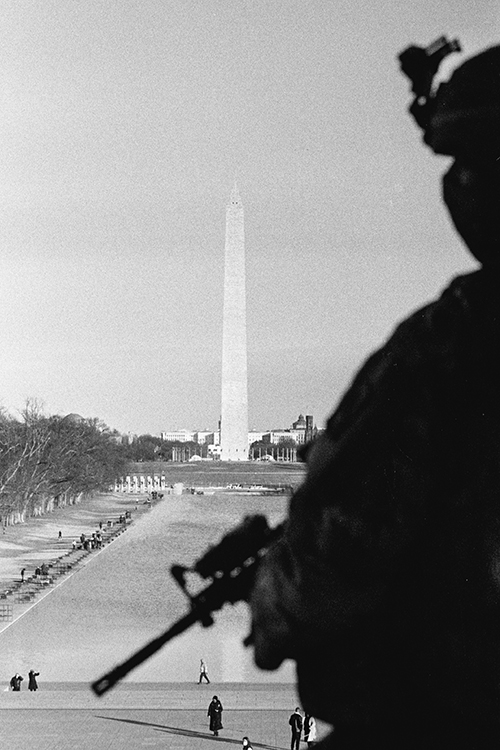
Photojournalism plays a vital role in conflict zones. ⚔️ Brave photojournalists risk their safety to capture what’s happening in places like war-torn countries. They help tell important stories about people’s struggles during difficult times. These images can help raise awareness and encourage people to help. 🌍❤️ For example, the work of photojournalists in Syria has shown the reality of life there. Their powerful images can inspire action, making a difference for those affected. Despite the challenges, photojournalists are dedicated to bringing these stories to the world. Their bravery is truly inspiring! 💪
Photojournalism and traditional journalism both share news, but they do it differently! 📖📰 Traditional journalism uses words to tell stories, while photojournalism relies on pictures. For instance, traditional journalists might write articles about events, while photojournalists capture images to support those stories. 📸✨ Both are important because they provide different perspectives on the same event. In recent years, many news organizations use both to create engaging stories! Combining photos and text helps readers feel connected to the news event. Many times, a single photograph can convey emotions words can't! 💬❤️
Technology has transformed photojournalism! 🎉In the early days, photographers used heavy film cameras, but now we have lightweight digital cameras and smartphones. 📱💨 This means anyone can be a photojournalist! Social media platforms like Instagram and Twitter allow people to share their photos with the world instantly. 🌐In emergencies, reporters can quickly send photos to news stations, helping people get information right away. However, technology also brings challenges, like fake photos or "deepfakes." 📸🚫 It's important to learn how to spot real photos and tell true stories!
Photojournalism has been crucial in many social movements, like the Civil Rights Movement in the United States in the 1960s. 📅🕊️ Photojournalists captured marches and protests, showing the passion of those fighting for rights. 🇺🇸 These powerful images helped people understand the struggles and encouraged others to join the cause. One famous photo from this time is of Martin Luther King Jr. speaking with a crowd. His message resonated worldwide! 🌍Today, social movements continue to use photographs to share their messages, making photojournalism an essential tool for change! ✊💖


DIY is a creative community where kids draw, build, explore ideas, and share.
No credit card required