Minke Whale Facts For Kids
The minke whale is a small baleen whale known for its streamlined body and adaptability in diverse marine environments.
Select reading age
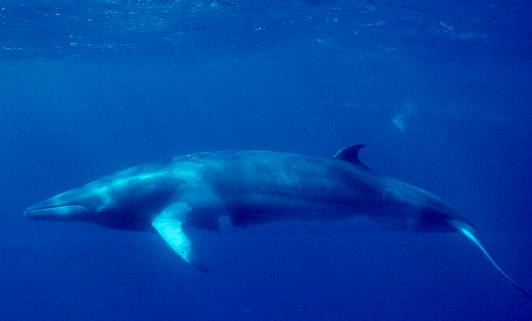
Minke Whale Facts For Kids
Videos & Quizzesincluded
About this topic
Minke whales are fascinating marine mammals that belong to the baleen whale family! 🐋They are among the smallest baleen whales, measuring around 20-30 feet long—about the size of a school bus! Minke whales can weigh up to 10 tons! 🌊These whales are known for their sleek bodies and striking black and white colors. Their scientific name is *Balaenoptera acutorostrata*, and they are found in oceans around the globe, from the Arctic to the Southern Ocean! 🌏These charming creatures are known for their speed; they can swim up to 20 miles per hour! 💨
Explore with ChatDinoKey Points
Scientists study minke whales to learn more about their behavior and biology.
Sadly, minke whales face threats such as hunting and pollution.
Minke whales hold a special place in many cultures!
Minke whales are filter feeders that primarily eat small fish, krill, and other tiny marine creatures!
Minke whales love to roam the world's oceans!
Minke whales have a streamlined body that helps them swiftly navigate through the water.
Minke whales have a pretty cool life cycle!
Minke whales are usually solitary animals, meaning they are often seen swimming alone or in small groups!
Photos of Minke Whale

Comparison of humpback and minke whale. Illustration by Charles Melville Scammon (1825–1911).

Minke whale skeleton, Museum Koenig, University of Bonn

Heart of a minke whale (Balaenoptera acutorostrata)

An audio speaker emitting sound waves, in the Gnome style

A minke whale rolled over on its back

Norwegian minke whale quotas (blue line, 1994–2006) and catches (red line, 1946–2005) in numbers (from official Norwegian statistics)

Minke whale meat kebabs, sold in Reykjavík, Iceland

Marinated minke whale meat with sweet potatoes, from Keflavík, Iceland

Minke whale sashimi from Japan
🧪 Research And Study
Scientists study minke whales to learn more about their behavior and biology. 🧪They use techniques like tagging and tracking to gather information about their movements, feeding habits, and migration patterns! Researchers also monitor their populations to ensure they are healthy and thriving. Through this research, we can better understand the importance of protecting marine ecosystems. 🌍Every little bit of knowledge helps save these incredible whales and their ocean homes! So next time you see a picture of a whale, remember there are scientists working to keep them safe! 🐋
Go deeper🌍 Conservation Status
Sadly, minke whales face threats such as hunting and pollution. 🌍They are currently listed as “Least Concern” by the International Union for Conservation of Nature (IUCN), meaning they are not in immediate danger but need protection. Whaling has been banned in many places, which has helped some populations recover. Conservation efforts are essential to keep their future bright! 💖Organizations work hard to protect their habitats and ensure that they have a safe place to live and thrive in our oceans! 🌊
Go deeper🌟 Cultural Significance
Minke whales hold a special place in many cultures! In some communities, they are seen as symbols of strength and freedom. 🌟The Inuit people of the Arctic have traditional stories about whales, highlighting their importance in folklore. Artists often depict these beautiful creatures in paintings, songs, and literature, celebrating their graceful presence in the oceans. 🎨They remind us of the wonders of marine life and inspire us to care for our water environments—just like a superhero caring for their city! 🌊
Go deeper🦐 Diet And Feeding Habits
Minke whales are filter feeders that primarily eat small fish, krill, and other tiny marine creatures! 🦐They use their baleen plates to gulp in huge amounts of water and then push the water out, trapping the food inside! Now, here comes the cool part: they can eat up to 2,000 pounds of food in a single day! 😲Minke whales often work together in groups to find good feeding spots, making hunting for their meals a fun team effort! Just like sharing ice cream with friends on a hot day, sharing food makes it even better! 🍦
Go deeper🌏 Habitat And Distribution
Minke whales love to roam the world's oceans! 🌏You can find them in both cold and warm waters, from the icy Arctic and Antarctic regions to temperate seas. They are present in the Atlantic and Pacific Oceans and are often spotted near coastlines, but they also travel to deeper waters to find food. 🌊Minke whales are migratory animals, which means they move to different locations depending on the season—like many kids going from school to summer camp! 🏕️ During feeding season, they can be seen closer to shore!
Go deeper🖐️ Physical Characteristics
Minke whales have a streamlined body that helps them swiftly navigate through the water. Their skin is usually dark gray with lighter patches, and they have a very distinctive white band on each flipper! 🖐️ They have baleen plates instead of teeth, which they use to filter tiny creatures like krill and small fish from the water. Each whale has a unique pattern on its back that helps scientists recognize individual minke whales. Their dorsal fin is tall and is found near the back, making it easy to spot them when they swim! 🌊
Go deeper🐣 Reproduction And Life Cycle
Minke whales have a pretty cool life cycle! They usually mate during the winter months, and after a long pregnancy lasting about 10 months, a baby minke whale, called a calf, is born! 🐣A newborn calf is about 8-10 feet long—imagine a tiny whale! After birth, the mother whale nurses her calf with rich milk for about six months before it starts to eat solid food. 🍼Calves are very playful and often swim beside their mothers as they learn to navigate the ocean. Minke whales can live up to 50 years in the wild! 🎉
Go deeper🐋 Behavior And Social Structure
Minke whales are usually solitary animals, meaning they are often seen swimming alone or in small groups! 🐋However, they can sometimes gather in larger numbers when food is plentiful. These whales are known for their acrobatic behavior; they can leap out of the water and flip back in—a sight that is truly exciting to see! 🥳They communicate using a variety of sounds, like low-frequency calls and whistles. Just like kids use different sounds to express feelings, minke whales use these sounds to talk to each other in the ocean depths! 🌊
Go deeper