Hillfort Facts For Kids
A hillfort is a type of fortified refuge or defended settlement located to exploit a rise in elevation for defensive advantage.
Select reading age
Hillfort Facts For Kids
Videos & Quizzesincluded
About this topic
Hillforts are special places built on hills for protection! 🏞️ They were used a long time ago, mainly in Europe. These hilltop villages helped people stay safe from enemies and wild animals. Hillforts often had tall walls made from stones or earth, and they could be found in countries like England, Ireland, and Wales. The earliest hillforts started appearing around 600 BC! Isn’t that cool? People would live in these places, and they usually had farms nearby for food. Hillforts show us how clever ancient people were to take advantage of their surroundings for safety! 🚧
Explore with ChatDinoKey Points
Combatting enemies was hillforts' main purpose, and they were equipped with a lot of cool defensive features!
Living in a hillfort was pretty exciting!
Hillforts can be different shapes and sizes!
Hillforts first appeared in the Iron Age, around 800 BC to 100 AD!
Hillforts weren’t just for defense; they were cultural landmarks too!
Archaeologists love discovering what hillforts can teach us!
Hillforts can be found all over Europe!
Hillforts are similar to other types of fortifications, like castles and forts!
Building a hillfort was no easy job!
Photos of Hillfort


Second Floor, Northwest Gallery. Mural of War by Gari Melchers. Library of Congress Thomas Jefferson Building, Washington, D.C. Cropped from the Library of Congress digital version using the GIMP.

The ramparts of the multivallate British Camp in Herefordshire

A lidar view of Camp Knowe Iron Age Hillfort in Northumberland.

Exterior view of the Ringfort Grianan of Aileach situated in County Donegal

Hillfort at Coaña, Asturias, Spain

A ruins of the Unikonlinna hillfort in Janakkala, Finland

Varbola hillfort ruins in Estonia

Tērvete hillfort. Main Semigallian centre in the late Iron Age
🛡️ Defensive Features
Combatting enemies was hillforts' main purpose, and they were equipped with a lot of cool defensive features! 🛡️ They often had tall stone or wooden walls called ramparts to keep attackers at bay. Many hillforts had deep ditches—called moats—around them, making it hard for people or animals to climb in. Some even had spikes or wooden gates to prevent intruders from breaking in! ⚔️ Because they were on hills, defenders could see trouble coming from far away! Hillforts were like ancient castles, designed to keep communities safe while they lived and thrived together! 🏰
Go deeper🏡 Life In A Hillfort
Living in a hillfort was pretty exciting! 🏡Families would build homes out of wood or earth inside the walls. They grew food nearby, like vegetables and grains, to feed everyone! 🍞People would trade with each other and share stories by the fire at night. Hillforts were lively places with craftspeople, farmers, and warriors! The community would work together to protect their home and take care of each other. Festivals and special events often brought everyone together, making hillforts not just places of safety but also joy! 💖Life there was all about teamwork and adventure!
Go deeper🏞️ Types Of Hillforts
Hillforts can be different shapes and sizes! 🏞️ Some are big and cover several acres, while others are smaller and cozy. There are two main types of hillforts: univallate and multivallate. Univallate hillforts have just one wall surrounding them, while multivallate ones have many walls for extra protection! 🌟Some hillforts, like Danebury in England, have many ditches and banks. Others, like the ones in Belgium, are made with wooden structures. Different regions created unique hillforts based on their needs, materials, and environments, making each one special! 🎨
Go deeper🏰 History Of Hillforts
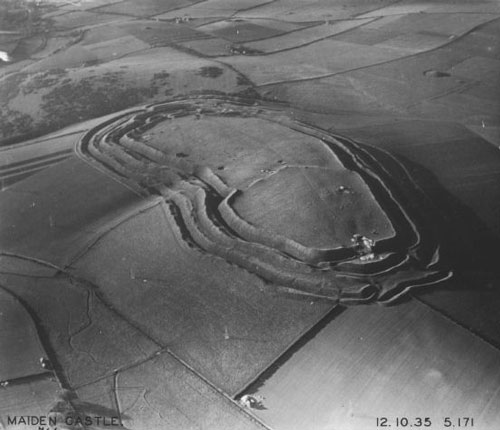
Hillforts first appeared in the Iron Age, around 800 BC to 100 AD! 🏰They became popular because people wanted to protect themselves from invaders and often lived in groups for safety. The Celts, a group of ancient tribes in Europe, built many hillforts. For example, the famous hillfort of Maiden Castle in Dorset, England, has huge earthworks and ditches! 🌄Over time, some hillforts were used for trade and meetings too because they were such strategic spots. The rise in elevation made it easier to spot approaching danger, which is why people flocked to build them! 🎉
Go deeper🎊 Cultural Significance
Hillforts weren’t just for defense; they were cultural landmarks too! 🎊Communities often gathered here for celebrations, meetings, and rituals. They served as places where people shared stories and traditions. Many hillforts had religious sites, where people worshipped their gods 🌌 or honored their ancestors. They became crucial to understanding the social lives of ancient people, showing how they worked together for safety and culture. Hillforts also tell us about their lifestyle, art, and customs! It's like a puzzle we still work to understand today. 🧩
Go deeper🧟♂️ Archaeological Discoveries
Archaeologists love discovering what hillforts can teach us! 🧟♂️ Each hillfort holds secrets about ancient life. For example, at the site of Danebury in England, researchers found pottery, tools, and even evidence of meat roasting! 🍗These discoveries help us understand how people lived, what they ate, and how they interacted. Some hillforts were studied in the 20th century with advanced techniques like aerial photography, revealing hidden structures underground! 🛬Every new find gives us a glimpse into a fascinating past, helping us uncover the lives of our ancient friends!
Go deeper🌍 Hillforts In Different Regions
Hillforts can be found all over Europe! 🌍In England, there are many famous ones, like the Iron Age hillfort of Old Sarum. In Scotland, you can visit Broch towers, which are stone structures that served a similar purpose. The Celts in Ireland built amazing hillforts called "raths," surrounded by banks and ditches! 🏰Meanwhile, in France, people created hillforts called "oppida," which were even larger and served as trade centers! Each region designed hillforts to fit its landscape and needs, making them unique and special to their cultures! 🤗
Go deeper🏰 Comparisons With Other Fortifications
Hillforts are similar to other types of fortifications, like castles and forts! 🏰Castles were built with strong stone walls and were owned by nobles, while hillforts were more communal and less about single families. Unlike many forts, hillforts used natural land and elevation for advantage! Some, like Mud Forts, were built on flat land but still used deep ditches for protection. 🛡️ While both hillforts and castles had defensive features, hillforts were often temporary or seasonal, while castles provided long-term homes. Each had its unique strengths and importance in history! 🏯
Go deeper🛠️ Architecture And Construction Techniques
Building a hillfort was no easy job! 🛠️ Ancient builders used strong materials like wood, stone, or earth to create high walls. They often dug deep ditches around the hillfort to make it harder for intruders to get inside. 🏕️ Some interesting techniques included using large wooden posts called "palisades" and creating thick earthen mounds instead of stone walls. These mounds could be huge! For example, the Hembury hillfort had walls that were over 6 meters tall! 🏔️ The design of the hillforts was all about using local resources and clever strategies for strength and safety!
Go deeper