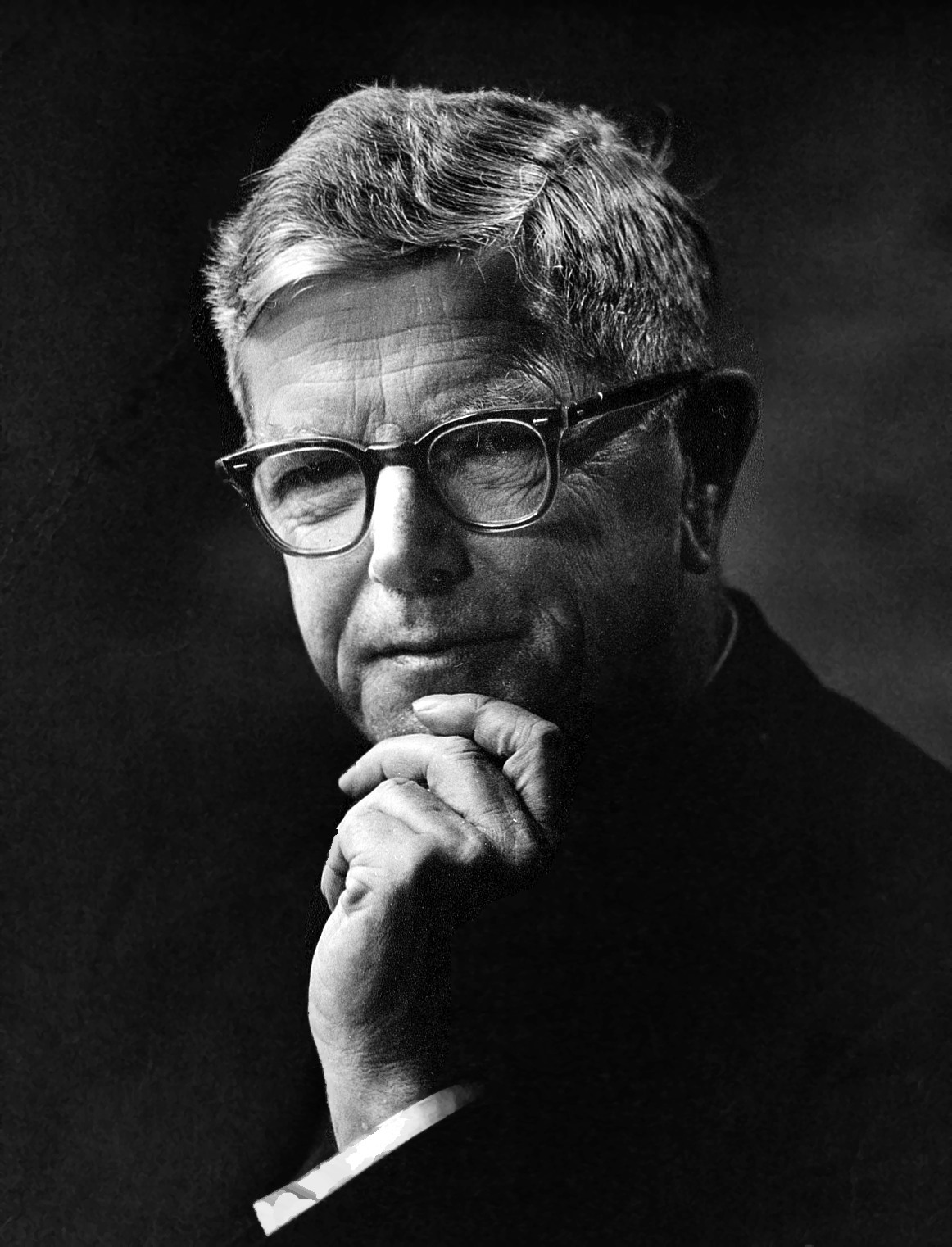
Frank Macfarlane Burnet was an Australian virologist known for his groundbreaking contributions to immunology, particularly the clonal selection theory, and was awarded the Nobel Prize for his work.

Set reading age
View for Kids
Easy to read and understand
View for Students
Clear, detailed explanations
View for Scholars
Deep dives and big ideas
Sir Frank Macfarlane Burnet was a famous Australian scientist born on September 3, 1899, in Traralgon, Australia. 🇦🇺 He was well-known for his work on the immune system, which helps our bodies fight off germs! Burnet was not just a scientist; he was also a professor, writer, and even a Nobel Prize winner. 🏆His discoveries helped us understand how our body fights illnesses. He passed away on August 31, 1985, but his work continues to help people today!
Throughout his life, Burnet received numerous awards and honors for his contributions to science. 🏅He was knighted in 1976, becoming Sir Frank Macfarlane Burnet. He also received medals from various scientific organizations. These awards show how much people appreciated his hard work and dedication. His achievements inspire young scientists to dream big and contribute to their fields! 🌟
Burnet had a brilliant career! 😊He worked at various hospitals and then shifted to the Walter and Eliza Hall Institute in Melbourne. This institute was an important place for scientific research. 🧪Macfarlane studied viruses and how they invade our body. He asked, "How can we make vaccines that protect us?" Through many years of hard work, he became a leader in immunology, the study of how our immune system works!
Burnet was very influential not just in Australia but worldwide! 🌍He worked with organizations like the World Health Organization (WHO). His research on vaccines helped countries control dangerous diseases. Burnet's ideas inspired other scientists and led to better health systems to protect children and adults from illnesses everywhere! His work is still important as scientists today also create new vaccines.
Macfarlane Burnet grew up in a loving family and loved learning! 📚As a child, he enjoyed exploring nature and observing animals. After finishing school, he studied medicine at the University of Melbourne. 🏥He graduated in 1923 and started working in different hospitals. His love for science fueled his curiosity about how germs affect our bodies, leading him on an amazing journey in medical research!
Burnet wrote many publications, sharing his findings with the world. 📝He authored approximately 200 scientific papers and several books! 📚Some of his famous writings include "The Natural History of Infectious Disease." His clear and engaging style helped others understand complex science. He believed that sharing knowledge was important to help people's health. His writings continue to educate new generations of scientists!
Sir Frank Macfarlane Burnet left a fantastic legacy! 🎓He taught many students and inspired future scientists to explore immunology and virology. His research opened many doors for better medicine and healthcare. Even today, doctors build on his ideas to create new treatments and improve public health. 📈Everyone benefits from his groundbreaking work, making him a true hero in science!
Burnet's biggest contribution was the "theory of acquired immunity." 🎉 This means that when we get sick, our body learns to recognize the germs and can fight them off again! He also developed ways to make vaccines safer and more effective. 🦠His findings helped create vaccines for diseases like influenza and polio, saving countless lives. His work improved health for people all around the world!
Besides being a genius scientist, Burnet enjoyed many hobbies! 🎨He loved painting, gardening, and studying bird life. He found joy in nature and often mixed his love for art with science. He believed it's important to relax and enjoy life while making big breakthroughs! His fun and creative spirit helped him inspire others, proving that curiosity can lead to great discoveries! 🌿
Today, Macfarlane Burnet's ideas influence modern medicine in incredible ways. ⚕️ Thanks to his research, we have vaccines that help protect against sickness. His work paved the way for new discoveries in immunology and virology! Doctors and scientists continue to build upon his teachings to develop better treatments for diseases like COVID-19. Burnet's legacy is alive, helping keep us healthier!
In 1960, Macfarlane Burnet won the Nobel Prize in Physiology or Medicine! 🏅This award is one of the most prestigious honors a scientist can receive. It was given to him for his amazing discoveries in the field of immunology and how our bodies develop immunity. Burnet was proud, and it showed the important impact his work made on science and people's health.


DIY is a creative community where kids draw, build, explore ideas, and share.
No credit card required