The European Sovereign-Debt Crisis was a significant economic crisis from 2009 to the mid-2010s, where several EU countries struggled to pay back their debts, particularly affecting Greece, Portugal, and Ireland.
Set reading age
View for Kids
Easy to read and understand
View for Students
Clear, detailed explanations
View for Scholars
Deep dives and big ideas
The European Sovereign Debt Crisis is a big problem that started in the European Union around 2009. 🌍It happened when many countries in Europe owed a lot of money, and they couldn’t pay it back. This was serious because these countries needed money for schools, hospitals, and other important things. To fix the problem, leaders from different countries met and talked a lot. It was like a big puzzle they needed to solve together! 🧩The crisis showed us how important it is for countries to help each other, just like friends do when someone is in trouble.
There are many important lessons from the European Sovereign Debt Crisis. 📚First, countries need to be careful with borrowing money and always have a plan to pay it back. 💡Next, teamwork is essential! Just like in sports, countries must help each other during tough times. Finally, it’s important for people to speak up and share their feelings, especially when it comes to big decisions that affect everyone. ❤️ By learning these lessons, countries can be stronger together and avoid similar problems in the future!
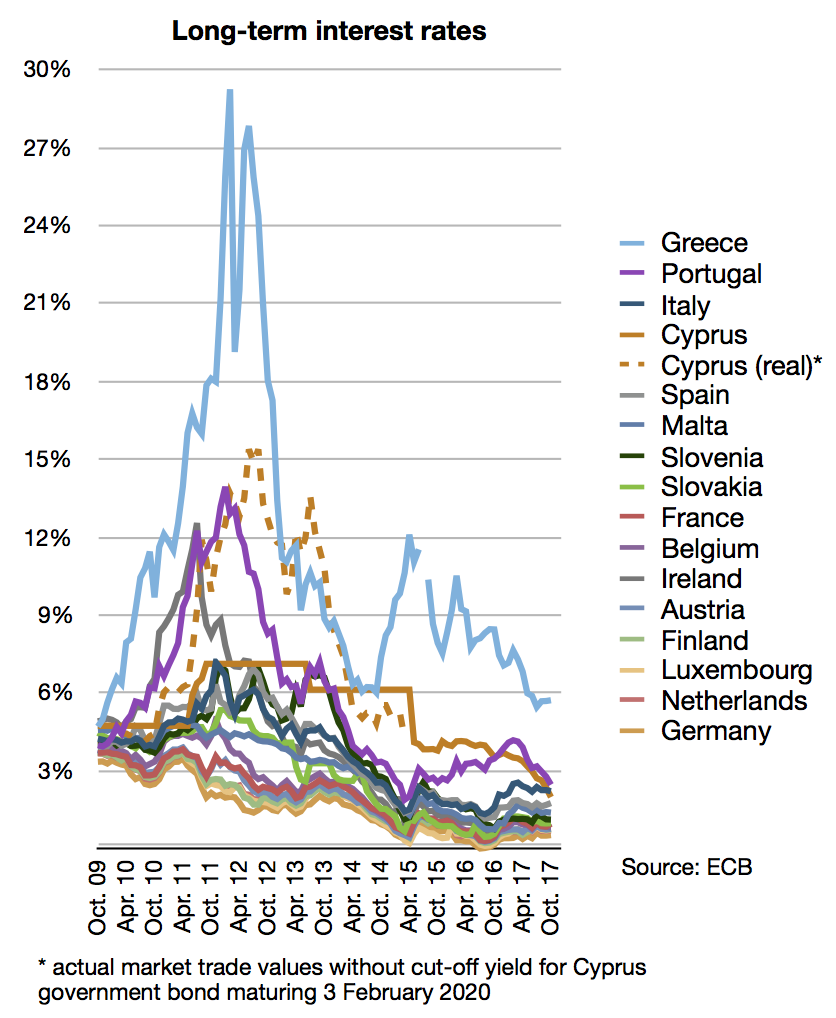
Several countries in Europe were affected by the sovereign debt crisis. 📈Greece was the first to have major problems and needed help. Other countries like Spain, Ireland, Portugal, and Italy also faced challenges. 🌐These countries needed to make tough choices to pay back their loans. Sometimes they had to cut spending, which meant fewer jobs or less money for schools and hospitals. Each country had its own story in this crisis, but they all had to work together to find a solution that would help them recover!
Here are some important events about the European Debt Crisis! 🌟In 2009, Greece revealed that it had a large debt. In 2010, the European Union helped Greece with a big loan. 📅In 2011, the crisis spread to countries like Portugal and Ireland. In 2012, the leaders made new rules and agreements to help fix the problem. By 2015, Greece faced a second crisis, and they had to hold a vote about using euro money. 🗳️ By the late 2010s, many countries started to recover, but lessons from the crisis were still important for everyone!
As of now, most countries affected by the crisis are recovering and learning from their past. 🌟Greece, for example, has made changes to improve its economy. The EU now has better rules to help keep financial problems in check. 💪Countries are focusing on growth and creating jobs for their citizens. While challenges may still arise, everyone is working together to build a brighter future! 🌈Understanding the past helps us create a more stable and fair economic system for everyone. The story continues, and together we can create positive change!
To solve the crisis, leaders in the European Union took action! 📋They created something called the "European Financial Stability Facility," which helped struggling countries with loans. In 2012, they also introduced new rules for borrowing money. 📏Countries had to balance their budgets so they would not spend more than they earned. Moreover, major meetings took place among leaders to agree on how to protect their economies. By working together and being responsible, they aimed to make Europe strong again! 💪
The crisis had a big impact on the European Union, which is a group of countries that work together. 🌈Many countries had to make big decisions about spending money. Some citizens faced job losses and had to protest about their situations. The crisis tested how united the EU was, and whether they could support each other during hard times. 🤝Luckily, this experience led to stronger financial rules! The goal was to avoid future problems and ensure that all countries were healthier financially. The crisis made leaders think about the importance of teamwork!
Austerity measures are rules that some countries made to save money during the debt crisis. 📉This meant cutting spending, like reducing jobs in schools and hospitals. Unfortunately, many citizens were unhappy about this! People started protesting because they wanted better jobs and services. 🚷These protests showed how important it is for everyone to have a voice and be heard. While austerity measures were meant to help, finding a good balance was very important so that people could live comfortably while paying back the money they owed.
The European debt crisis had long-term effects on the economies of many countries involved. 📊While some countries are recovering well, others are still struggling. The crisis taught everyone the importance of smart borrowing and spending. Future generations need to understand how to avoid huge debt problems! 🌱Some countries are now focusing on creating jobs and helping families. By learning from the past, they can build a stronger economy and ensure everyone has a better quality of life in the long run.
The European Central Bank (ECB) plays a very important role in helping European countries during financial problems. 🏦It is like the superhero of money! When the crisis hit, the ECB stepped in to support countries by providing loans and low-interest rates. This made borrowing easier for governments. 💵The ECB also promised to buy bonds from countries in danger, which helped calm down worried investors. By doing all this, they helped stabilize the economy and restore trust in Europe’s money system, making it feel safer for everyone!
One reason for the crisis was that some countries borrowed too much money. 💸For example, Greece borrowed a lot because they wanted to buy things for their people. But when they couldn't pay it back, other countries started to worry! 😟Another cause was that the global economy was having a tough time, especially after the 2008 financial crisis in the USA. This made it harder for countries to earn money. Too much borrowing mixed with a slowing economy created a storm, and that led to the big debt crisis in Europe!


DIY is a creative community where kids draw, build, explore ideas, and share.
No credit card required