Carya Illinoinensis Facts For Kids
Carya illinoinensis, commonly known as the pecan, is a hickory tree species native to the Southern United States and northern Mexico, known for its delicious nuts.
Select reading age

Carya Illinoinensis Facts For Kids
Videos & Quizzesincluded
About this topic
The pecan tree, known as Carya illinoinensis, is a special member of the hickory family 🌳. It grows around the Southern United States and parts of northern Mexico! These trees can grow up to 100 feet tall 🎋! Pecan nuts are one of the most famous types of nuts in America, often enjoyed in pies 🥧 and many snacks. The tree produces these tasty nuts in the fall. Did you know that pecans are the only major tree nut native to the United States? This makes them an important part of American culture and cuisine!
Explore with ChatDinoKey Points
Pecans are delicious nuts that can be eaten in many ways!
Pecan trees can be affected by pests and diseases, just like other plants!
Carya illinoinensis is not endangered, but habitat loss can threaten pecan trees 🌳.
Pecans are significant in American culture!
Pecan trees play a vital role in their ecosystems 🍂.
Pecan trees grow best in warm areas with plenty of sunshine ☀️.
Pecan trees have tall trunks and broad crowns 🍃.
To grow a pecan tree, you can plant seeds or young saplings 🌱.
Carya illinoinensis belongs to the family Juglandaceae, which includes walnuts and other hickories 🌳.
Pecan trees are important in agriculture!
Photos of Carya Illinoinensis

A cluster of pecan fruit is exposed as hulls dry out and split open.

Pecan sprouting in moist wood-chip mulch in Eastern Oklahoma

Pecan halves as snack food


Carya Illinoinensis — photo 5
Carya Illinoinensis — photo 6
Carya Illinoinensis — photo 7

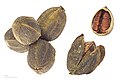
Shelled and unshelled pecans
🌰 Culinary Uses
Pecans are delicious nuts that can be eaten in many ways! 🌰Typically, they are used in sweet treats like pecan pie, a favorite dessert during Thanksgiving in the United States. They can also be sprinkled on salads, added to cookies, or enjoyed as snacks! Pecans are not just tasty; they are also healthy. They have healthy fats, protein, and vitamins, making them a great choice for snacks. In some cultures, pecans are ground into a flour alternative for cooking, providing a unique flavor to various dishes!
Go deeper🐜 Pests And Diseases
Pecan trees can be affected by pests and diseases, just like other plants! 🐜Common pests include the pecan nut casebearer and aphids. These tiny pests can damage the nuts before they fully grow. Fungal diseases like pecan scab may cause dark spots on leaves, which can stop the tree from growing properly. Farmers use natural methods, like introducing ladybugs, to help control pests. Regular checks on the trees and healthy growing conditions help keep the trees strong and free from trouble! 🌟
Go deeper🌳 Conservation Status
Carya illinoinensis is not endangered, but habitat loss can threaten pecan trees 🌳. As cities grow, some forests are cut down, reducing the number of places where pecan trees can grow. It's essential to protect these trees and plant new ones to ensure they continue thriving! Organizations also support responsible farming practices and encourage people to plant pecan trees in their yards. By doing this, we help conserve their habitats and ensure future generations can enjoy delicious pecans! 🌿
Go deeper🎉 Cultural Significance
Pecans are significant in American culture! 🇺🇸 Native Americans used pecans long before Europeans arrived and even called them "paccan." The pecan tree is the state tree of Texas, and people celebrate National Pecan Pie Day on July 12 each year! Festivals in Georgia and Texas celebrate these nuts, showing how much people love them. Artists and craftspeople have even used pecan wood to create beautiful handmade items. Pecans bring families together through cooking and traditions, making them a special part of American heritage! 🎉
Go deeper🍂 Ecological Importance
Pecan trees play a vital role in their ecosystems 🍂. They provide food for many types of animals, including squirrels, deer, and birds 🐦. When the nuts fall to the ground, they become a tasty snack! The leaves and wood of the pecan tree also serve as homes for many insects, which are important for pollination. Pecan trees help to improve soil health by preventing erosion and giving shade to the ground below. Their presence contributes to a balanced and healthy environment for many living things!
Go deeper☀️ Habitat And Distribution
Pecan trees grow best in warm areas with plenty of sunshine ☀️. They are commonly found in the fertile Mississippi River Valley, especially in states like Texas, Louisiana, and Georgia. These trees thrive in well-drained, moist soils and are often found near rivers and streams. Pecans are not just limited to the U.S.—they also grow in northern Mexico! Pecans can sometimes even be spotted growing in other warm climates around the world. 🌍This makes them a popular tree in parks and orchards!
Go deeper🍃 Physical Characteristics
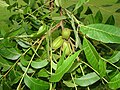
Pecan trees have tall trunks and broad crowns 🍃. Their leaves are long and green, typically made of 9 to 15 leaflets. In spring, beautiful yellow-green flowers bloom, but only the female flowers turn into pecans. The nuts have a smooth, oval shape and can be found inside a hard shell. Each shell is encased in a green husk that splits open when the nut ripens in late autumn. When you crack the shell, you’ll find a delicious, sweet kernel inside, which is often brown and has a soft texture! 🌰
Go deeper🌱 Propagation And Cultivation
To grow a pecan tree, you can plant seeds or young saplings 🌱. First, choose a sunny spot with well-drained soil. If you’re using seeds, collect them in the fall and let them dry out. Plant them in the spring to give them time to grow! Young saplings can be planted directly into the ground. Proper care, like watering, giving nutrients, and protecting from pests, helps them grow well. With patience, a pecan tree can take a few years to produce its first nuts, but when it does, it's worth the wait! 🍂
Go deeper🌳 Taxonomy And Classification
Carya illinoinensis belongs to the family Juglandaceae, which includes walnuts and other hickories 🌳. The name "Carya" comes from the Greek word for walnut. This species was first described by the famous botanist Thomas Nuttall in 1818. There are several varieties of pecans, like the Stuart and the Desirable, which differ in nut size, taste, and shell thickness. Pecans are classified as deciduous trees, meaning they lose their leaves in winter 🍂. Their scientific classification is as follows: Kingdom: Plantae, Order: Fagales, Family: Juglandaceae, Genus: Carya, Species: Carya illinoinensis.
Go deeper🌱 Uses In Agriculture And Horticulture
Pecan trees are important in agriculture! 🌱They are often planted in orchards for nut production. Many farmers grow them on large farms to sell the nuts at markets. A mature pecan tree can produce up to 50 pounds of nuts every year! In addition to their delicious nuts, pecan trees are lovely shade trees, making them popular in parks and yards. They also help produce valuable wood used for furniture and cabinetry. Learning how to grow and care for pecan trees is exciting for young farmers and gardeners! 🌳
Go deeper